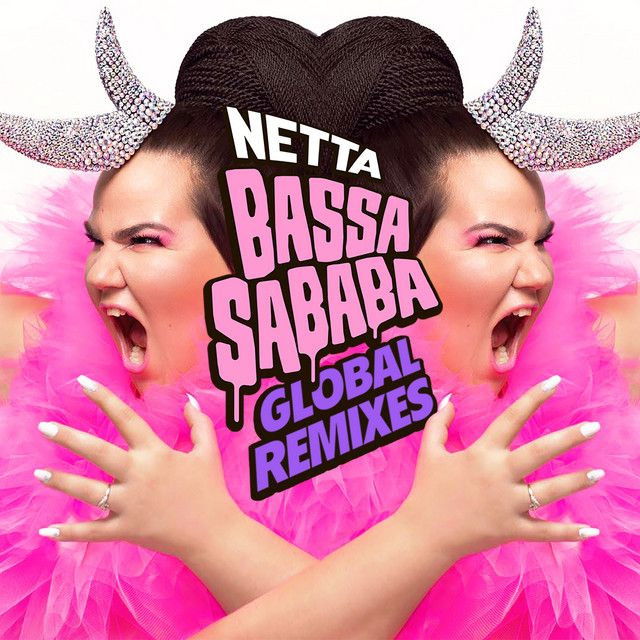
Why Netta's "Bassa Sababa" Hits Like a Dare
The meaning of Bassa Sababa Netta is less about a neat plot and more about attitude. The song sounds like a taunt, a pep talk, and a victory lap all at once. Netta turns nonsense syllables, bold threats, and body-proud lines into a message of survival: if the world wants to judge them, they will answer by becoming even louder.
"Bassa Sababa" - Netta
Mesiba bassim
Bis mi wasabi
Loading lyrics...
Unable to load lyrics
We're unable to display the lyrics at this time. Please try again later.
Netta released “Bassa Sababa” in 2019 after the global attention that followed their Eurovision win with “Toy,” a breakthrough covered by the Eurovision Song Contest and major music outlets like Billboard. That context matters. Listeners already knew them as an artist who mixed humor, performance art, and defiance. This song builds on that image instead of softening it.
The Core Idea Beneath the Chaos
At first, “Bassa Sababa” can sound like pure silliness. The hook leans on sounds more than plain meaning, especially the repeated Bassa sababa
. But that chant works like a slogan. It creates a feeling of momentum, as if the singer is hyping themself up before stepping into a fight.
Interpretation: The track is about reclaiming power through exaggeration. Netta does not answer pressure with calm explanation. They answer with a bigger costume, a bigger voice, and a bigger personality. Even the opening commands, like call your mama
, make the song feel teasing and confrontational at the same time.
That mix is important. The song is not dark in the usual sense. It is playful, but the playfulness covers real defensiveness. Beneath the jokes is a speaker who expects attack and has learned to strike first.
Watch the official Bassa Sababa
music video
Bravado, Body Image, and Thick Skin
The clearest emotional clue comes in the second verse, where Netta says thicker figure
and thicker skin
. Paraphrased, the song moves from threat imagery to self-description. That shift gives the song a human center.
Instead of acting ashamed, the speaker treats a body often judged by pop culture as proof of strength. The “thicker figure” line is not an apology. It is a boast. Right after that, the idea of “thicker skin” suggests they became stronger because of criticism, not despite it.
Interpretation: This is one of the strongest ways to read the meaning of Bassa Sababa Netta. The song can be heard as a response to body-shaming, fame pressure, and public commentary. Rather than ask for acceptance, the speaker declares invincibility.
The Animal Images Turn Fear Into Theater
Throughout the song, Netta uses wild, almost comic-book images. They compare themself to a rhino and talk in over-the-top threats, including beat you like a drum
. These are not realistic threats so much as performance gestures.
They make the singer sound huge, physical, and impossible to ignore. A rhino is hard to stop. A drum is loud and percussive. Gum is chewed up and discarded. Each image pushes the same idea: the speaker refuses to be the one who gets dominated.
This is why the song feels theatrical. It does not ask listeners to believe every line literally. It asks them to feel the force behind them.
Stop, hold the trigger
World, my horn is bigger
In those lines, the song frames the world as a threatening place, then immediately answers that threat with an even larger symbol of power.
How the Hook Carries the Message
A big part of the meaning sits in the chorus and chant structure. The words are simple, but repetition does the emotional work. “Bassa Sababa” is catchy because it sounds like a ritual phrase, something halfway between club chant and battle cry.
That matters because repetition can create confidence. By saying the title over and over, the song does not explain strength; it performs strength. The hook becomes a self-made shield.
For U.S. listeners, the appeal is similar to songs where attitude matters more than literal detail. The point is not to decode every syllable. The point is to feel the speaker building themself into something untouchable.
Why the Production Feels So Combative
The production supports that reading. Netta is known for blending pop with bold electronic textures and vocal effects, an approach noted in coverage from Rolling Stone and the Eurovision Song Contest. Here, the beat hits hard, the chant lands like percussion, and the vocal delivery swings between playful and fierce.
The song’s rhythm is especially important. Short bursts of phrasing mimic stomps or punches, while the repeated nonsense sounds create a tribal, almost playground-like energy. That contrast keeps the track from feeling cruel. It is aggressive, but in bright colors.
The credited writers are Netta Barzilai, Nathan Goshen, and Stav Beger, with Beger widely associated with Netta’s Eurovision-era sound in reporting from Wiwibloggs and Eurovision coverage. Their shared style favors hooks that feel instantly performable. In “Bassa Sababa,” that approach turns self-defense into spectacle.
A Few Smart Ways to Read It
There is more than one valid reading of the song:
- Self-confidence anthem: a loud declaration of worth after criticism.
- Body-positivity statement: pride in size, strength, and resilience.
- Post-fame defense mechanism: a celebrity answering public pressure with cartoon armor.
These readings can all exist at once. The lyrics are simple, but the persona is layered. Netta sounds funny, threatening, and vulnerable in the same song.
The Lasting Takeaway
The meaning of Bassa Sababa Netta comes down to turning insecurity into performance power. The song says that if the world comes with judgment, they will answer with noise, style, and shameless self-belief.
That is why the track still stands out. It is not trying to be subtle. It is trying to be bigger than the insult.
Disclaimer: This interpretation is based on the song’s lyrics, performance, and publicly available context. As with any pop song, meanings can vary by listener.








