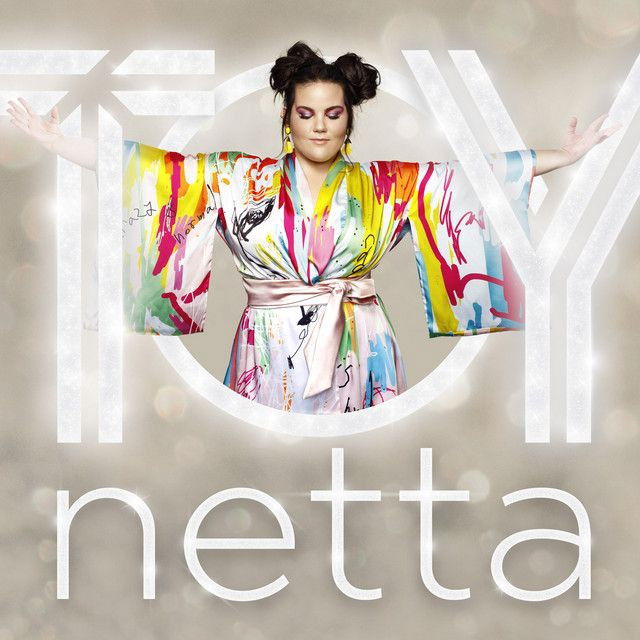
Why "Toy" by Netta Hits So Hard
The meaning of Toy Netta becomes clear almost immediately: this is a defiant pop song about refusing to be treated like an object. Netta Barzilai wraps that message in humor, noisy production, and toy-box imagery, but the point is serious. They present a speaker who has had enough of condescension, male entitlement, and being talked down to.
"Toy" - Netta
I don't care about your "modern time preachers"
Welcome boys, too much noise, I will teach ya
Loading lyrics...
Unable to load lyrics
We're unable to display the lyrics at this time. Please try again later.
Released in 2018, the song became much bigger than a catchy Eurovision entry. According to the official contest record, it won Eurovision 2018 for Israel with 529 points after being released that March. It was written by Doron Medalie and Stav Beger, with Beger also producing it. Those facts matter because the track’s meaning is tied to both its message and its carefully built sonic chaos.
A Breakup Put in Toy-Box Language
On the surface, “Toy” sounds like a playful takedown of a rude man. The speaker calls him a stupid boy
and says I'm not your toy
. Those lines are simple on purpose. They strip the issue down to its core: he treats her like something to use, and she rejects that role.
But the song goes beyond one bad relationship. The toy references suggest a larger pattern of objectification. When the lyrics mention figures like a teddy bear, Barbie, and dolls, they parody the way some women are expected to stay cute, quiet, and easy to control.
Interpretation: The song frames sexism as childish behavior. That is why the man in the song is mocked, not feared. They turn him from a powerful figure into a silly one.
Watch the official Toy
music video
The Key Line That Unlocks the Song
The clearest phrase in the whole track may be the Hebrew line Ani lo buba
. In English, it means “I am not a doll,” as widely noted in song references and coverage of the release. That line is the emotional center of the song.
It sharpens everything around it. The speaker is not only rejecting a single man; they are rejecting a role. A doll is posed, dressed, moved, and admired by someone else. By refusing that label, the song argues for personhood, agency, and self-definition.
This is one reason the song resonated so strongly in 2018, when many listeners connected it to wider conversations about gender and power in the #MeToo era. Netta did not need a speechy lyric to make that point. The repeated refusal does the work.
A Chorus That Turns Insult Into Power
The chorus is blunt, repetitive, and made for a crowd. That matters. Instead of explaining the speaker’s pain in detail, it gives them a slogan they can shout back. The hook does not ask for respect politely; it demands it.
There is also a shift in power during the refrain. The line about making him watch suggests public reversal. He no longer controls the scene. He becomes the one forced to witness her confidence, movement, and freedom.
Wonder Woman don't you ever forget
You're divine
This brief moment broadens the message again. The speaker is not only talking to herself. They sound like they are talking to other women too, reminding them not to shrink themselves for male approval.
Why the Song Sounds So Strange on Purpose
Part of the meaning of Toy Netta lives in the production. Stav Beger built the track with sharp percussion, electronic drops, loop-station textures, and Netta’s famous vocal effects. The clucking sounds and exaggerated syllables make the song feel part cartoon, part battle cry.
That oddness is not random. It supports the theme in three ways:
- It makes the song impossible to ignore.
- It mocks macho seriousness with absurd sounds.
- It turns playfulness into a weapon.
Netta was known for using looping in performance, and that style helps the song feel handmade and theatrical rather than polished into blandness. Critics noticed this too. The Daily Telegraph called it “gloriously bizarre pop,” a fair summary of how its weirdness becomes part of its force.
Pop Culture References With Teeth
The lyrics mention Barbie, Pikachu, and smartphone culture, mixing childlike objects with modern vanity. These references can sound silly at first, but they serve a purpose. They place the song in a world where image, trendiness, and shallow behavior often replace real respect.
There is also a jab at so-called authority figures through the phrase modern time preachers
. The speaker dismisses people who act morally superior while still pushing old sexist ideas. In other words, the song says that sexism can wear trendy clothes and still be sexism.
Interpretation: The song’s campy style is part of its critique. It mirrors a world of surfaces, then tears through those surfaces with a very direct message.
Why Eurovision Audiences Embraced It
“Toy” represented Israel at Eurovision 2018 and won the contest, becoming one of the event’s most talked-about modern entries. It later reached No. 1 in Israel and even hit No. 1 on the U.S. Dance Club Songs chart. That wide response suggests the song worked on two levels: as a catchy spectacle and as a statement.
Its staging, hooks, and comic attitude made it memorable. But its deeper appeal came from how clearly it turned frustration into confidence. Many songs about disrespect sound wounded. “Toy” sounds amused, angry, and victorious all at once.
The Lasting Meaning of "Toy"
In the end, the meaning of Toy Netta is about rejecting reduction. The song says a woman is not a doll, prize, accessory, or plaything. They are a person who can mock the rules, break the script, and take up space loudly.
That is why “Toy” still stands out. It is funny without being lightweight, aggressive without losing its pop shine, and strange in a way that serves the message.
Disclaimer: This interpretation blends documented facts about the song with reasoned analysis of its lyrics, sound, and cultural context. Meaning can vary from listener to listener.









