Why 'Mr. Telephone Man' Still Rings True
The meaning of Mr. Telephone Man New Edition comes down to a simple but sharp idea: they turn a bad phone call into a story about denial, jealousy, and young heartbreak. What begins as a complaint about a broken line slowly becomes a realization that the real problem is not technology. It is a relationship falling apart.
"Mr. Telephone Man" - New Edition
There's something wrong with my line
When I dial my baby's number
Loading lyrics...
Unable to load lyrics
We're unable to display the lyrics at this time. Please try again later.
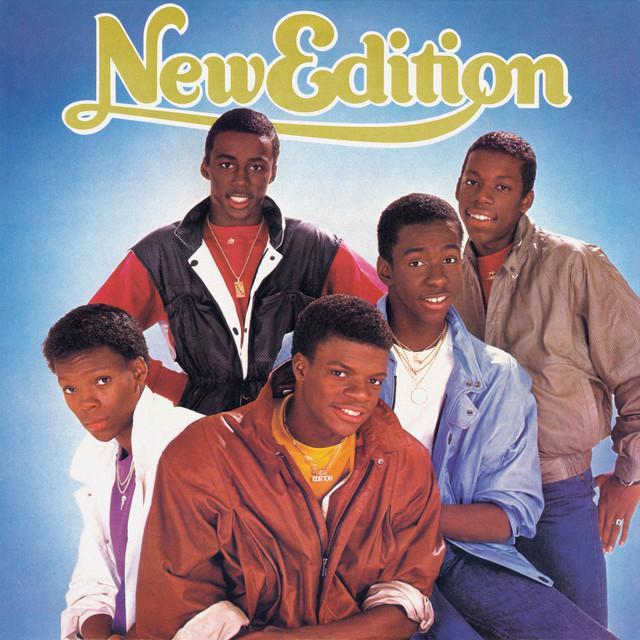
Released as the second single from New Edition in 1984, the song became one of the group’s early signature hits. According to available chart data, it reached No. 12 on the Billboard Hot 100 and No. 1 on the Hot Black Singles chart, confirming how strongly it connected with pop and R&B audiences.
A Breakup Hidden Inside a Busy Signal
At first, the narrator sounds almost innocent. They keep insisting there is something wrong with my line
. On the surface, that sounds like a technical issue. But the lyric quickly shows a deeper emotional truth: they cannot believe their girlfriend would ignore them, so they blame the phone instead.
That is what gives the song its charm. It captures the stage of heartbreak where someone would rather argue with the operator than face rejection. The repeated complaint about getting a click every time
is not just about a disconnected call. It becomes a symbol of emotional cutoff.
Interpretation: the song is about how people protect themselves from painful truth. They create another explanation because the real one hurts too much.

Watch the official Mr. Telephone Man
music video
The Story Moves Like a Mini Soap Opera
One reason the track remains memorable is that it tells a complete story in a few verses. The narrator first calls for help, then gets bounced between services, operators, and strange responses. Every new detail pushes them closer to reality.
The key plot beats
- They call their girl and hear a repeated disconnect.
- They ask for phone-company help because they refuse to believe she would hang up.
- They hear delays, excuses, and interference.
- A man answers, or another voice blocks access.
- They finally sound overwhelmed and emotionally cornered.
The line about my baby ain't home
matters because it adds doubt, not closure. The narrator is hearing explanations, but none of them feel trustworthy. That uncertainty is the emotional engine of the song.
What the Chorus Really Means
The chorus is catchy, but it is also the song’s mask. Every time they repeat Mr. Telephone Man
, they are really asking for emotional rescue. The complaint sounds practical, yet the feeling behind it is panic.
This is why the hook works so well. It turns embarrassment into performance. Instead of admitting heartbreak directly, the narrator wraps it in a public complaint. That makes the song funny, sad, and relatable at the same time.
Please operator
I dialed the right number
But I still couldn't get through
In plain terms, that moment shows someone begging for proof that they are not being shut out on purpose. It is less about phone service than emotional access.
Youthful Heartbreak, Told Through Technology
The song uses a very 1980s object, the landline, to express a timeless fear: being replaced or ignored. A phone line should connect people. Here, it becomes proof of distance.
Motifs like operators, numbers, and bad connections all support the central theme. Even bad connection
works on two levels. It names a possible mechanical fault, but it also describes the relationship itself. The couple no longer seems emotionally linked.
That double meaning is a big reason the song still lands. Even listeners who never used operator assistance can understand the feeling of trying to reach someone who no longer wants to be reached.
Why the Sound Makes the Message Easier to Feel
Musically, the track softens its heartbreak with bounce and polish. It sits in the R&B lane, but it also carries pop clarity, which helped New Edition cross over. Ray Parker Jr. wrote and produced the song, and reporting on the record notes that he and the group leaned on real drums rather than a more computerized feel.
That matters for meaning. The rhythm stays lively, the vocals stay bright, and the arrangement never sinks into despair. Instead, the production mirrors the narrator’s state: agitated, confused, but still trying to keep composure.
Research on the recording also highlights how the group split vocal duties, with Ralph Tresvant handling verses and Bobby Brown helping lift the chorus. That contrast strengthens the song’s drama. The verses sound conversational and worried. The chorus jumps upward, almost like emotion breaking through the story.
New Edition’s Persona Fits the Song Perfectly
This song worked especially well for New Edition because they specialized in youthful emotion. They could sound sweet, frustrated, playful, and wounded without losing accessibility. In this case, that balance is crucial.
A harsher singer might have made the song sound angry. New Edition makes it sound stunned. That choice keeps the focus on confusion and heartbreak instead of revenge. It also made the song feel believable for teenage listeners navigating first love.
One Last Reading of the Song
Interpretation: beyond jealousy, the track may also be about embarrassment. The narrator is not only losing contact with a partner. They are losing control in public, speaking to operators, hearing other voices, and trying to hold onto dignity while the truth becomes obvious.
That is what gives the song staying power. The meaning of Mr. Telephone Man New Edition is not just that someone cannot reach their girl. It is that they keep trying to protect hope after hope has already started to fade.
In the end, the phone is only the excuse. The real disconnect is emotional.
Disclaimer: This interpretation blends established song facts with critical reading of the lyrics and performance. As with most pop songs, listeners may hear slightly different meanings in the same lines.







