Why 'Harlem' by New Politics Feels So Wild
New Politics built their reputation on songs that sound like a party breaking loose. But the meaning of Harlem New Politics goes deeper than a catchy hook. Under the stomping beat and playful swagger, the song captures a short-lived romance that feels electric in the moment and complicated after the fact.
"Harlem" - New Politics
Just like you like me like everybody else
Up on the sun looking sad and beautiful
Loading lyrics...
Unable to load lyrics
We're unable to display the lyrics at this time. Please try again later.
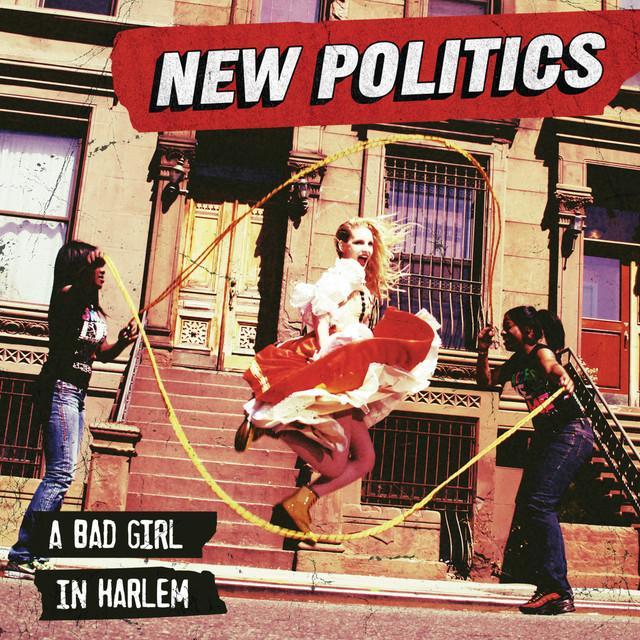
Factually, Harlem was released on February 20, 2013, as the lead single from the band’s second album, A Bad Girl in Harlem, through RCA Records, according to Wikipedia. Reports gathered by Songfacts and Wikipedia also point to frontman David Boyd saying the song came from a real encounter with a girl from Harlem, and that it ended in a “bittersweet” way. That context matters, because it explains why the song sounds joyful but never fully calm.
The Heart of the Song Is a Dangerous Crush
At the simplest level, the song is about being swept up in someone who feels exciting, unpredictable, and impossible to resist. The verses throw out flashes of money, noise, heat, and weird images, not to tell a neat story, but to show a mind racing from sensation to sensation.
Instead of careful romance, the song sells overload. Phrases like regular miracles
and sad and beautiful
mix wonder with unease. That pairing is important. They suggest the speaker sees this relationship as thrilling, but also unstable.
Interpretation: the song treats attraction almost like a chemical rush. It is less about deep compatibility and more about how one night, one person, or one place can make everything feel louder.

Watch the official Harlem
music video
Why Harlem Matters as More Than a Place
The title gives the song a real-world anchor, but Harlem also works as a symbol. In Boyd’s reported explanation, the girl was actually from Harlem, so the reference is not random. Still, the song uses the name to stand for a mood: bold, hot, urban, stylish, and a little dangerous.
When the chorus refers to a bad girl up in Harlem
, it does not read like a documentary portrait of a neighborhood. It reads like mythmaking. The person becomes larger than life, almost a fantasy figure built from memory.
That is why the setting feels both specific and dreamlike. The song remembers details, but it remembers them in fragments. The result is a romantic snapshot rather than a full story.
The Chorus Turns Chaos Into Confidence
The chorus is where the song’s meaning becomes clearest. Each line takes pressure and answers it with action. If things get loud, the response is to go louder. If things get hot, the response is to lean in.
That spirit comes through in short lines like When it gets loud
and I turn it up
. The language is simple, but the emotional message is strong: this speaker does not retreat from intensity. They perform through it.
Interpretation: this is partly flirtation and partly self-defense. Acting fearless can be a way to enjoy the moment, but it can also hide vulnerability. If the real story ended bitterly, then the song’s bravado may be covering hurt.
The Verses Use Images Like a Fast-Cut Movie
One reason the lyrics stand out is their collage style. They jump from tube socks to boom boxes to flip phones to smoke and sunlight. These are not there to build a literal plot. They create texture.
What those images are doing
- They make the song feel impulsive and youthful.
- They suggest nightlife, clutter, and physical closeness.
- They blur glamour and trashiness on purpose.
- They mirror the messy speed of attraction.
The line about a Japanese boom box
especially matters because it adds retro cool to the scene. The song is full of objects that feel cheap, vivid, and tactile. That choice fits a romance that is more immediate than lasting.
How the Sound Sells the Meaning
Musically, Harlem is built to feel urgent. New Politics sit in the alternative space, but they often blend rock energy with pop hooks and dance momentum. Research summarized by Wikipedia identifies the song as part of the band’s run of alternative-rock success, and it became their highest-charting entry on Billboard’s Alternative Songs chart, peaking at No. 4.
The production, credited by Wikipedia to Jake Sinclair and Søren Hansen, is tight and bright. The beat snaps forward, the guitars are lean, and the chorus is built for shouting along. At just 2:43, the song barely pauses to think.
That matters for interpretation. A longer, moodier arrangement might have made the story feel reflective. Instead, the band keeps everything moving, which makes desire feel immediate and almost reckless.
A Bittersweet Story Hiding Inside a Party Song
The most useful way to read the song is as a clash between surface and subtext. On the surface, it is a party anthem. It is easy to see why it landed in commercials, games, and even a trailer for Frozen, as noted by Wikipedia and Songfacts. It is fun, fast, and memorable.
Under that, though, there is a softer idea. Boyd’s reported “bittersweet” comment changes the emotional frame. Suddenly the song sounds like someone trying to turn a complicated memory into a celebration before it fades.
That may explain why the images feel so scattered. Memory often works that way. People do not always remember a romance as a clean timeline. They remember heat, sound, style, and one person who made the room feel different.
The Last Take on the Meaning of Harlem New Politics
So, what is the meaning of Harlem New Politics? Most likely, it is a song about a real crush turned into a larger-than-life rush of noise, lust, and memory. Harlem is both a place and a symbol for a romance that felt wild enough to become legend in the mind.
Their song stays popular because it delivers two pleasures at once: a hook built for movement and a story with a bruise under it. That mix of excitement and sadness is what gives Harlem its staying power.
Disclaimer: This article offers informed interpretation based on the song, available credits, and reported artist comments. Meanings can vary from listener to listener.








