Why NF's "I Miss The Days" Hits So Hard
The meaning of I Miss The Days NF comes down to one painful question: what happens when growing up feels like losing part of the self? In this song, they look back at youth not because childhood was perfect, but because it felt less crowded by fear, self-doubt, and emotional weight.
"I Miss The Days" - NF
Mmh, mmh
I miss the days when
Loading lyrics...
Unable to load lyrics
We're unable to display the lyrics at this time. Please try again later.
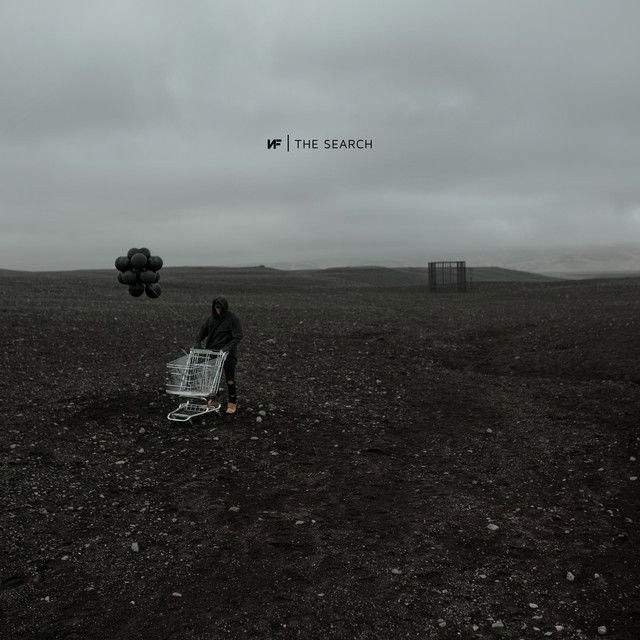
Released on NF’s 2019 album The Search, the track was written by Nate Feuerstein and Tommee Profitt, two frequent collaborators in NF’s catalog. That matters because both artists are known for turning inner conflict into big, cinematic rap songs. Here, the scale of the music makes a private struggle feel universal.
A Song About Missing Peace, Not Just the Past
At first, the song sounds like simple nostalgia. They remember a time when they were not buried under stress, money worries, or constant self-analysis. Early lines about having a smile, riding a bike, and not overthinking life paint a picture of ordinary freedom.
But the song goes deeper than “life was better then.” The real loss is emotional safety. When they ask what changed, the song shows a person trying to trace the moment they stopped trusting themselves.
Interpretation: The past works as a symbol. They may not literally want to become a child again. They want the version of their mind that felt open, hopeful, and less hostile.

Watch the official I Miss The Days
music video
The Turning Point Inside the Lyrics
One of the strongest parts of the song is how it moves from memory into self-examination. They do not just say they miss the old days; they ask why they became this version of themselves. Short phrases like what happened to me?
and I wasn’t worth it
show how the song shifts from nostalgia into a crisis of identity.
That shift is crucial to the meaning of I Miss The Days NF. The verses suggest that adulthood brought more than responsibility. It also brought mental habits that trap them: rumination, fear, and emotional fatigue.
There is also a painful contradiction in the line about the thing that hurts them helping them reach their dreams. Paraphrased, they seem aware that pain can become fuel. Success may come from the same intensity that also damages peace.
Give me my mind backbefore it was hijacked
This brief plea captures the whole song. They are not only asking for happiness. They are asking for the return of an inner voice that once offered comfort instead of criticism.
Why the Chorus Feels So Universal
The chorus broadens the song beyond one person’s story. Instead of staying inside anxious thoughts, it turns to shared images of youth: smiles, love, sunlight, rain, and innocence. Phrases like when we were young
and feel that way again
make the song easier for listeners to enter.
That is why the hook lands so hard. It is simple, but it speaks to a common adult feeling: the sense that life gets more complicated while joy gets harder to reach. They do not describe a specific event that ruined everything. That lack of detail makes the emotion feel wider and more relatable.
Interpretation: The repeated “we” in the chorus may be doing two things at once. It can refer to shared childhood memories with others, but it also invites the audience into the song’s emotional world.
Images That Carry the Message
NF uses small, everyday images instead of abstract language. Riding a bike suggests freedom without pressure. Looking out the window as rain comes suggests quiet reflection. The knot in the stomach represents anxiety in a physical form.
These details matter because they keep the song grounded. Rather than speaking in vague terms about sadness, they show what it feels like in the body and in memory. Another key phrase, my imagination wasn’t in a cage
, turns mental struggle into a visual image. Creativity once felt alive; now it feels trapped.
How the Production Deepens the Meaning
Tommee Profitt’s production style often blends piano, ambient textures, and cinematic percussion, and this song fits that emotional world. The arrangement moves with restraint at first, then swells into a large, echoing chorus. That shape mirrors the lyric idea: private thoughts expanding into something overwhelming.
The vocal approach also matters. NF often sounds tense and controlled in the verses, as if they are forcing themselves to say hard truths clearly. When the chorus opens up, the sound becomes more spacious and melodic, which gives the memories a softer glow.
This contrast helps explain the song’s impact. The verses feel boxed in; the chorus feels like reaching toward air.
Artist Context Helps Explain the Song
On The Search, NF repeatedly returns to themes of anxiety, identity, pressure, and mental spirals. This track sits naturally beside those songs because it is less about one event than about an ongoing state of mind. In that context, “I Miss The Days” feels like a key emotional statement from the album.
It also matches NF’s broader appeal in the United States. Their songs often connect because they describe internal struggles in direct, everyday language rather than in highly coded poetry. That plain style gives listeners room to project their own lives into the music.
The Best Way to Read the Ending
By the end, the song does not offer a clean solution. They do not say they found peace. They simply repeat the desire to recover a lost feeling. That unresolved ending is honest, and it may be why the track stays with people.
The meaning of I Miss The Days NF is not just that adulthood is hard. It is that mental and emotional strain can make someone feel separated from their earlier self. The song hurts because they remember enough of that former self to know what is missing.
Interpretation disclaimer: This reading is an informed interpretation based on the lyrics, NF’s broader catalog, and the song’s production choices. Listeners may connect with different shades of meaning.









