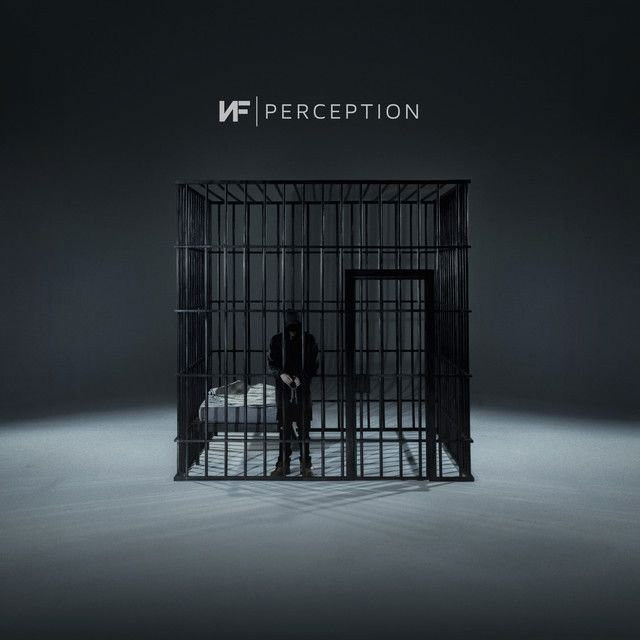
Intro III by NF
The Real Fight at the Center
The meaning of Intro III NF starts with a powerful idea: this is not a battle with another person. It is a battle with fear itself. On the track, NF stages an argument between Nathan and the voice that has lived in his head for years. Instead of treating fear like a feeling, they turn it into a character with its own ego, memory, and control.
"Intro III" - NF
If it wasn't for me, you would've never wrote Therapy
I've been here for you, but how come you're never there for me?
Loading lyrics...
Unable to load lyrics
We're unable to display the lyrics at this time. Please try again later.
That is why the song feels so dramatic. Fear speaks like an old partner, almost a manipulative friend. It reminds Nathan of past pain, creative success, and the role it played in shaping his music. When it says things like main attraction
and we've been together
, the point is not romance. It is dependence. Fear believes it belongs there.
Factually, “Intro III” appears on NF’s 2017 album Perception, released through Capitol CMG, and the song is credited to Nate Feuerstein and Tommee Profitt. Those details matter because the album came after NF had already built a reputation for raw, therapy-heavy writing. This track pushes that style into a more theatrical form.

Watch the official Intro III
music video
Why Fear Sounds Like a Person
NF often writes about inner struggle, but here they make the conflict literal. Fear interrupts, mocks, and claims ownership over the artist’s life. It even points back to older songs, suggesting that pain helped create the career. That gives the song a twisted question: if fear helped build the art, can the artist ever fully remove it?
Interpretation: The song suggests that healing is hard partly because suffering can become part of identity. Fear argues that it was there in childhood, in grief, in ambition, and in success. So getting rid of it feels like losing a piece of the self.
This is why lines about the basement, childhood, and family memories matter. Fear is not shown as a sudden problem. It is presented as something rooted deep in early hurt. That makes the song feel less like a pep talk and more like a reckoning.
The Story Unfolds Like a Short Film
The narrative moves in clear stages:
- Fear confronts Nathan and demands attention.
- It revisits old trauma and reminds him how long it has lived with him.
- Nathan begins to turn the power back.
- The song shifts into the image of digging and burial.
- By the end, control changes hands.
The digging sequence is the heart of the song. At first, fear thinks they are burying a beat or making another song. Then it realizes the grave is for itself. That twist is why the track lands so hard.
Where is my shovel at?You can't get rid of all of me
Those short lines sum up the struggle. Fear knows it cannot be erased in one moment. Even when Nathan tries to bury it, the song admits fear may still remain in the background.
Burial, Basements, and Keys
The biggest symbols in “Intro III” are simple but effective.
The basement
The basement points to origin. It represents the place where the artist was formed: early pain, early dreams, and early music-making. Fear says that is where it was created, which links emotional damage to artistic identity.
The shovel and grave
The shovel symbolizes confrontation. Instead of hiding from fear, Nathan digs directly into it. This matters because the song even nods to the advice not to bury issues. In a clever twist, the track knows this method is messy and maybe imperfect, but emotionally it still feels like release.
The house and prison
Fear says it has its own room in the house. That image makes anxiety feel domestic and permanent, like an unwelcome tenant. By the ending, Nathan flips the metaphor. Fear thought it held the power, but Nathan realizes they are holdin' the keys
. That reversal is the song’s emotional payoff.
How the Production Carries the Meaning
Tommee Profitt’s production helps sell the song’s inner-drama format. The beat is tense, cinematic, and heavy, with the kind of orchestral hip-hop style that became central to NF’s sound. The music feels like a thriller score, which makes the argument sound larger than life.
The performance matters just as much. NF changes tone and pacing to separate Nathan from Fear. Fear sounds cocky, sharp, and invasive. Nathan sounds defensive at first, then colder and more controlled later. That vocal acting tells the story even before a listener studies the words.
Interpretation: The rising intensity mirrors a panic spiral turning into confrontation. The instrumental does not offer comfort. It keeps pressure on the listener, which fits a song about refusing to look away from what scares them.
Artist Context Makes the Song Stronger
“Intro III” also works as part of NF’s larger catalog. Earlier songs like “Mansion” and Therapy Session deal openly with trauma, mental strain, and the rooms inside the mind. This track builds on those ideas by giving fear its own speaking role.
That context helps explain why fear brags about helping create the music. NF’s audience often connects with how directly they turn pain into art. The song asks whether that honesty can become a trap. If pain becomes part of the brand, does healing feel like losing the voice people came for?
That tension is one reason fans often see “Intro III” as a key NF song. It is personal, cinematic, and self-aware at the same time.
A Clear Reading of the Ending
By the end, the song does not claim fear is gone forever. In fact, it hints the opposite. Fear may be buried in the backyard or the back of the mind. That distinction matters.
So the meaning of Intro III NF is not total victory. It is about reclaiming authority. Fear may still exist, but it no longer gets the final word. The final image says the prison was partly an illusion. Fear acted powerful, but Nathan had more agency than they thought.
That is what makes the song resonate. It captures a truth many listeners know: overcoming fear is rarely clean or complete. It is often a matter of learning who really has the keys.
Disclaimer: This interpretation is based on the song’s lyrics, themes, and publicly known context. As with any art, listeners may hear different meanings in it.









