Why 'Imaa Imaa' Feels Like a Prayer
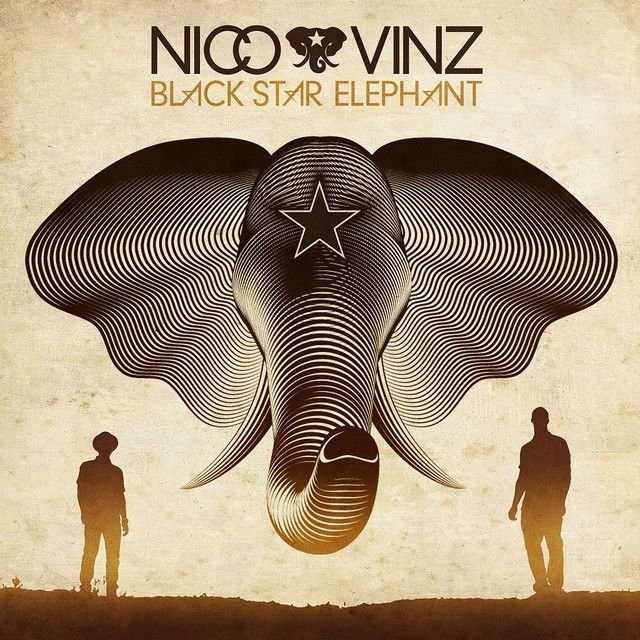
The meaning of Imaa Imaa Nico & Vinz centers on love that protects, heals, and helps a person keep going. It sounds less like a typical pop love song and more like a chant of gratitude. The track closes Black Star Elephant, the duo’s 2014 album under the name Nico & Vinz, and that placement matters: it feels like a final blessing after an album built on uplift, struggle, and hope.
"Imaa Imaa" - Nico & Vinz
Ain't where I be
My heart, my soul
Loading lyrics...
Unable to load lyrics
We're unable to display the lyrics at this time. Please try again later.
Factually, “Imaa Imaa” appears on Black Star Elephant, the duo’s first album released under the Nico & Vinz name after performing as Envy. The album blended pop and Afropop and reached No. 45 on the Billboard 200. “Imaa Imaa” is credited to Vincent Dery, Nicolay Sereba, Thomas Eriksen Bratfoss, and David Agwumaro, with production by Thomas Eriksen, according to album-credit summaries.
At the Heart of the Song: A Tribute to Lifegiving Love
At its core, the song praises a person who gave the speaker emotional grounding. The opening lines point to a life that feels split between present reality and a deeper calling. When the song says ain't where I be
, it suggests displacement: they are living one life while longing for another, more meaningful one.
That longing is answered by a figure who believes in them. The lyrics speak of hopes, dreams, sacrifice, and a child described as my only king
. This gives the song a family-centered emotional frame. The speaker is not only dreaming for themself; they are trying to build a future for the next generation.
Interpretation: The “she” in the song can be heard as a mother, partner, or even a symbolic life-force. The text supports all three readings because the language moves between romance, family devotion, and spiritual gratitude.

Watch the official Imaa Imaa
music video
Who They Seem to Be Singing To
One of the most moving parts of the song is how it widens its circle of love. It praises one person’s support, then reaches toward father, mother, and brothers. That expansion makes the song feel communal rather than private.
The clearest idea is dependence mixed with loyalty. When they say She took my side
, the meaning is simple but powerful: someone stood by them during hardship. A later promise of protection turns that support into reciprocity. They were helped, and now they want to give that strength back.
I'mma scream out
so my father hears me
I'mma sing loud
so my mother hears me
This short passage sounds like testimony. They are not whispering thanks; they are announcing survival to the people who made that survival possible.
The Chorus Turns a Name Into a Mantra
The repeated title phrase is the song’s mystery and its emotional engine. Nico & Vinz never explain it inside the lyric itself, and that ambiguity is part of the effect. “Imaa” works like a mantra, a cry, or a sacred nickname. Because it is repeated so often, it carries feeling more than literal information.
Interpretation: The hook likely matters less as a dictionary word than as a sound of devotion. In that sense, “Imaa” behaves like a heartbeat in the song. It anchors everything else: memory, pain, family, and hope.
That is why the chorus feels both intimate and ceremonial. Instead of advancing the story, it deepens the mood. The repetition creates a trance-like warmth, as if they are trying to hold onto love by saying its name again and again.
Growth, Survival, and Duty
The middle of the song uses simple images to explain care. The line about planting a seed and helping someone grow frames love as active work, not passive feeling. A person can nurture life, or they can turn your eyes
and refuse responsibility.
That contrast sharpens the song’s values. “Imaa Imaa” says real love shows up. It protects through hardship, stays present, and helps another person prosper. Later, when the song declares I will prosper
, that growth sounds shared rather than selfish. Success here is not flashy victory. It is survival with dignity.
This also connects to the album’s wider tone. Black Star Elephant often leans on positivity and broad social feeling, and critics noticed both its uplifting message and its earnest streak. That context helps explain why “Imaa Imaa” is so direct. It is not trying to be ironic. It wants to be sincere.
How the Sound Carries the Meaning
Production matters a lot to the meaning of “Imaa Imaa.” Thomas Eriksen’s arrangement supports the song’s devotional feel with repetition, layered vocals, and a rhythm that suggests movement without rushing. The beat is pop-friendly, but the vocal phrasing gives it a communal, almost call-and-response energy.
The result fits Nico & Vinz’s broader style on Black Star Elephant, where pop structure meets African-influenced rhythms and worldbeat textures. That blend makes the song feel both personal and outward-looking. It sounds like a message meant for family, but also for a crowd.
The vocals matter too. Rather than sounding polished to the point of distance, they sound urgent and grateful. When the singing rises into near-shouts, the emotion feels earned. They are not performing cool control; they are reaching for release.
The Strongest Reading of the Song
The best way to understand the meaning of Imaa Imaa Nico & Vinz is as a song about being carried by love and then learning to carry others. It honors the people who stand beside someone through struggle, especially family. It also frames prosperity as something moral: to grow, protect, and remain loyal.
There is room for more than one reading. Some listeners may hear a song to a mother. Others may hear a partner, or even a spiritual address disguised as a pop track. All of those interpretations fit the lyrics’ mix of tenderness, dependence, and praise.
What does not feel ambiguous is the emotional goal. “Imaa Imaa” wants to leave the listener with hope. It closes the album not with swagger, but with thanks.
Disclaimer: This interpretation is based on the released lyrics, album context, and musical presentation. As with most songs, listeners may reasonably hear different meanings in “Imaa Imaa.”







