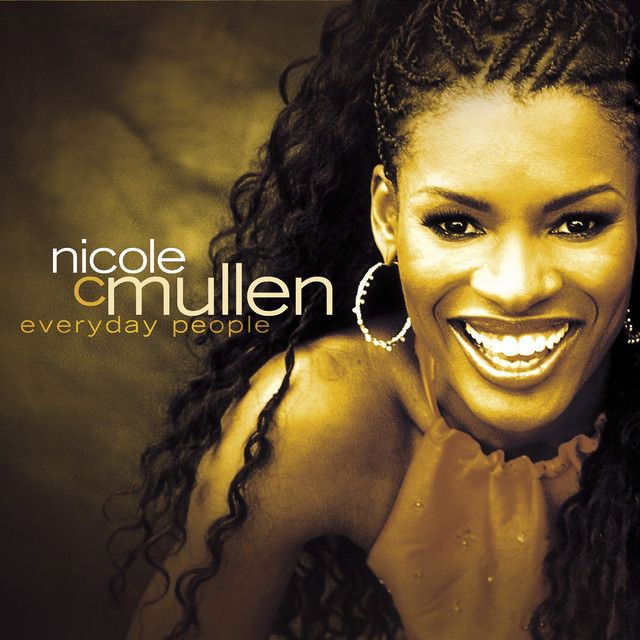
Why 'Everyday People' Still Matters
The meaning of Everyday People Nicole C. Mullen comes down to a simple but hard truth: people keep dividing themselves, even though they share the same basic worth. In this song, they present everyday life as a place where prejudice, pride, and misunderstanding show up in ordinary conversations and social roles.
"Everyday People" - Nicole C. Mullen
My own beliefs are in my songs
A butcher, a banker, a drummer and then
Loading lyrics...
Unable to load lyrics
We're unable to display the lyrics at this time. Please try again later.
Nicole C. Mullen’s performance places that message inside a Christian and gospel frame. That matters because the song does not only sound like social commentary here; it also feels like a call to compassion, humility, and community.
A Song About Difference Without Distance
At its core, the song says that identity groups exist, but they should not become excuses for contempt. Early on, the speaker admits human inconsistency with Sometimes I'm right
and then quickly widens the view to all kinds of people and professions. That move matters because it lowers the speaker from a judge to one more flawed person in the crowd.
The key line I am everyday people
works as the song’s moral center. Instead of claiming to stand above conflict, they identify with common humanity. That keeps the message from sounding self-righteous.
Interpretation: in Nicole C. Mullen’s version, this feels especially important because gospel music often stresses both personal responsibility and shared grace. The song’s argument is not that differences disappear. It is that differences should not cancel love.
Watch the official Everyday People
music video
How the Verses Build the Message
The song moves through examples of division. It points to race, class, appearance, and status, showing how often people reject each other for shallow reasons. Phrases like Different strokes
and We gotta live together
summarize the tension: people are not the same, but they still have to coexist.
There is no complex storyline here. Instead, the verses work like snapshots of social friction. One group looks down on another. One person resents another person’s place in society. These moments pile up until the listener sees the pattern.
That pattern is the point. The song argues that prejudice is not limited to one group behaving badly. It becomes a cycle that many people join.
The Chorus Turns a Slogan Into a Challenge
What makes the chorus memorable is its plainness. I am everyday people
sounds almost casual, but it challenges the whole habit of ranking human value. The speaker is saying: no matter what role they play, they belong to the same human family as everyone else.
This also explains why the song has lasted for decades in different versions. Its hook is broad enough to fit many settings, but specific enough to confront bias. In a gospel setting, that hook can sound like a reminder that nobody is spiritually superior just because of image, race, or class.
A short lyric moment that sums it up
We gotta live together
I am everyday people
Those lines are brief, but they carry the whole song. First comes the social fact: people share space and society. Then comes the ethical response: they should see themselves in one another.
Sound, Style, and Why Nicole C. Mullen Fits It
Nicole C. Mullen is widely known in Christian music for blending pop, R&B, and gospel styles in songs that connect faith to everyday life. That artistic identity makes this material a natural fit for them. Even without changing the basic lyric idea, their approach can make the song feel warmer and more devotional than confrontational.
Musically, the song’s repetitive structure supports its message. The refrain keeps returning like a lesson people still need to hear. The groove-driven feel, rooted in accessible rhythm rather than heavy drama, mirrors the theme of ordinary life. This is not a private diary entry; it is a communal song meant to be sung, repeated, and shared.
Interpretation: that accessible sound matters because the song is trying to break barriers, not build them. A catchy, open arrangement helps the message reach beyond one audience.
The Social Meaning Beneath the Simplicity
One reason the meaning of Everyday People Nicole C. Mullen stays relevant is that the lyric names a habit people still know well: reducing others to labels. Race is the clearest example in the song, but class and appearance matter too. The references to the poor, the rich, and visible difference show how fast people sort others into categories.
Yet the song is not only criticizing society. It also asks for self-examination. The opening admission of being wrong suggests that bias is not just someone else’s problem. They may all carry it in smaller ways.
That makes the song more honest than a simple protest anthem. It does not divide the world into pure victims and pure villains. It shows a broken social habit that many people feed.
A Gospel Reading of the Song
In a Christian and gospel context, the song can be heard as a practical form of neighbor-love. The central claim is not theological in a narrow sense, but it fits a faith-based message: every person has dignity, and arrogance has no place in real community.
Interpretation: Nicole C. Mullen’s version may lead listeners to hear repentance in the song as much as activism. The call to live together becomes a call to change the heart, not just public behavior.
Why the Song Endures
The song lasts because it is direct, singable, and sadly still current. Its language is simple enough for anyone to understand, but its challenge remains uncomfortable. People still want difference without equality, identity without empathy, and community without sacrifice.
This song pushes back on that. It says ordinary life is where justice starts, and ordinary people are the ones who must practice it.
Disclaimer: This article offers an interpretation of the song based on its lyrics, style, and context. Meaning can vary by listener and by performance.








