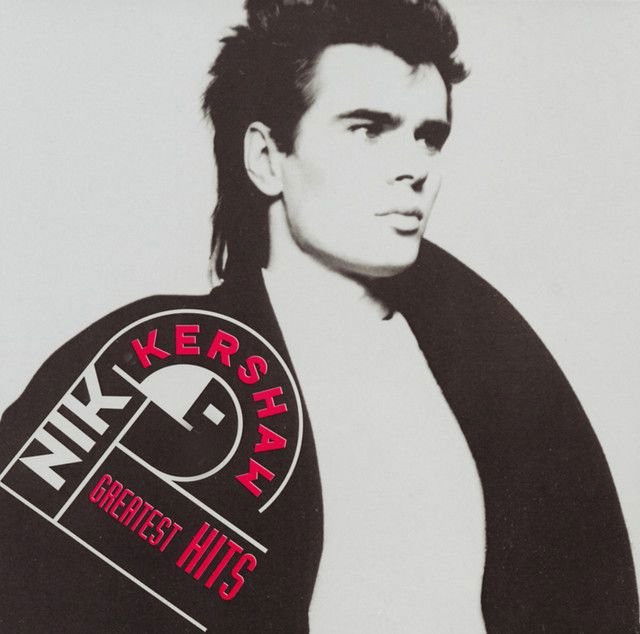
Why 'Wouldn't It Be Good' Still Hits Hard
Nik Kershaw's 1984 hit sounds sleek and radio-ready, but its emotional center is much darker. The meaning of Wouldn't It Be Good Nik Kershaw comes down to a simple, painful idea: people often believe someone else has the better life, especially when they feel worn down by their own.
"Wouldn't It Be Good" - Nik Kershaw
You don't know how bad we got it
You got it easy
Loading lyrics...
Unable to load lyrics
We're unable to display the lyrics at this time. Please try again later.
Released on 20 January 1984 as a single from Human Racing, the song became one of Kershaw's signature tracks, reaching No. 4 in the UK and later crossing over to the U.S. market. It was written by Kershaw and produced by Peter Collins. Those core facts are widely documented in reference sources about the single and album history.[1][2]
The Song's Core Emotion Is Envy
At first glance, the hook sounds like a daydream. The singer wants to trade lives, even briefly, because their own situation feels unbearable. Early lines like I got it bad
and you got it easy
set up that emotional imbalance.
But the song is not just complaining. It captures the mental habit of comparison. The singer assumes another person lives without a care
, while their own life feels full of pressure, fatigue, and invisible struggle.
Interpretation: This is why the song still resonates. It is less about one specific conflict than about a common illusion: that relief must exist somewhere else, in someone else's body, job, class, or emotional world.
Watch the official Wouldn't It Be Good
music video
A Voice Trapped Between Complaint and Self-Awareness
One smart part of the writing is that the speaker sounds both convinced and unstable. They insist the other person could never understand. Yet the chorus admits the fantasy may be naive, especially with the phrase the grass is always greener
.
That matters because it creates tension. The singer is not presented as fully right. They are deeply unhappy, but they may also be projecting comfort onto someone else.
Who Are They Singing To?
The song never clearly identifies the other person. That ambiguity helps it feel universal. The listener can hear the target as:
- a friend with more privilege
- a romantic partner
- society at large
- or even an imagined version of a better self
Interpretation: That open address makes the song broader than a breakup or rivalry song. It becomes a statement about alienation.
The Heat and Cold Tell the Same Story
Kershaw uses physical discomfort to describe emotional pain. In one verse, the cold is eating through the body; in another, the heat is unbearable. These opposites suggest that the exact conditions do not matter. Misery can take many forms, but it leads to the same wish: escape.
The repeated thought I don't wanna be here no more
is especially important. It does not need a lot of detail to land. It shows total exhaustion with the speaker's present state.
Wouldn't it be good to be in your shoes
Even if it was for just one day?
That brief refrain is the emotional thesis. The speaker does not ask for triumph or revenge. They ask for temporary relief.
Why the Sound Feels So Big and Restless
Part of the song's power comes from its arrangement. According to reporting on the track's history, Kershaw wanted a harder guitar sound, while the finished recording balanced that edge with glossy keyboards and a highly polished pop structure.[1][2]
American Songwriter described it as slower and more guitar-driven than many of his synth-centered tracks, with distorted chords pushing against a bright chorus melody.[1] That combination matters. The guitars carry frustration; the synth layers make the song feel like a public anthem rather than a private diary entry.
Producer Peter Collins also helped shape the final version for radio while preserving its unusual structure, and the production reportedly favored real drums over programmed ones.[1] The result is tense but accessible. Listeners can dance to it, even as the lyric describes emotional survival.
Context Makes the Lyrics More Interesting
One of the most revealing details is that Kershaw later said the song was written when his career prospects were improving, not collapsing.[1] He also summarized its theme as wanting life to be better than everyone else's.[2]
That context sharpens the message. This is not simply a song written from failure. It suggests envy does not disappear when things go well. A person can be on the edge of success and still feel trapped by comparison.
That may explain why the lyric feels so psychologically accurate. It understands envy as a mindset, not just a reaction to poverty or bad luck.
The Video Turns the Idea Into a Visual Metaphor
The official video, directed by Storm Thorgerson, presents Kershaw as an outsider figure, often described as alien-like, trying on forms of belonging.[1][2] The imagery of disguise and otherness fits the song perfectly.
Instead of just showing sadness, the video dramatizes the feeling of not fitting into ordinary life. The wish to be in someone else's place becomes literalized through costume and perspective. It is a clever extension of the lyric's main idea: someone who feels excluded imagines that everyone else moves through the world more easily.
Why the Song Endures
The song remains memorable because it joins a universal feeling to a sharp pop design. Its chart success in multiple countries and its long afterlife in playlists and retrospectives support that lasting appeal.[1][2]
More importantly, the message ages well. Nearly everyone has had moments when another life looked simpler from the outside. Kershaw turns that thought into a hook, then quietly undermines it by reminding listeners that comparison is often a trap.
Final Take on the Meaning
The meaning of Wouldn't It Be Good Nik Kershaw is not just wanting a better life. It is about how pain distorts perspective, making someone else's life look peaceful and complete. The song understands envy, but it also questions it.
That double vision is why it still connects. It sounds like a plea for escape, yet underneath, it warns that nobody sees the whole truth of another person's shoes.
Interpretation disclaimer: This reading blends documented background with critical interpretation. Like many strong pop songs, "Wouldn't It Be Good" supports more than one valid meaning depending on the listener's experience.







