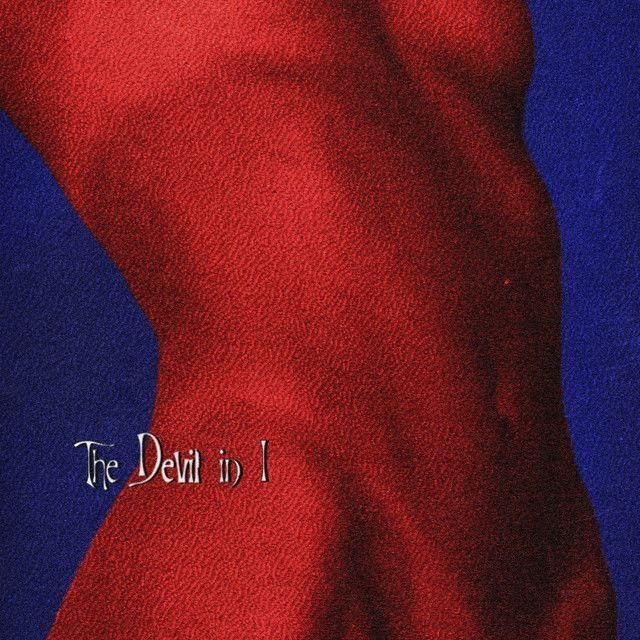
The Devil in I by Nikki Idol
They don’t whisper their feelings here—they bare them. Nikki Idol’s The Devil in I is a lust-forward confession where danger becomes the spark, not the warning sign. For readers searching for the meaning of The Devil in I Nikki Idol, this breakdown looks at how the lyrics frame desire, control, and trust, and why the title turns temptation into a kind of pact.
"The Devil in I" - Nikki Idol
You're killing me slowly, our love is scandalous
Look at me now
Loading lyrics...
Unable to load lyrics
We're unable to display the lyrics at this time. Please try again later.
A Dangerous Crush That Turns Into a Vow
From the first lines, the narrator senses risk and can’t look away. They admit the attraction feels hazardous—first sight you're dangerous
—and still step closer. That tension drives the song: the thrill is not in spite of the danger, but because of it.
Soon the rush deepens into obsession. Phrases like killing me slowly
and our love is scandalous
suggest a relationship lived outside polite rules. Interpretation: the song treats taboo as a bonding agent. By naming the heat and the hazard, the pair creates a world where both can breathe.
Watch the official The Devil in I
music video
Who’s Talking, and What Do They Want?
The voice is first-person, addressing a fearless partner who mirrors their appetite. The repeated plea to call out my name
serves two purposes. It craves intimacy—say who I am to you—and it checks consent, a verbal cue woven into the seduction.
Another flashpoint, tie up your wrists
, frames the power dynamic directly. Interpretation: the line signals negotiated surrender rather than harm. Control is offered, then taken, then given back, like a dance.
Key Moments: From First Spark to Surrender
- Recognition: The narrator clocks the risk and decides it’s worth it.
- Declaration: They make a reckless-sounding promise to love “till the end of time,” turning impulse into vow.
- Exchange: Physical imagery blends with trust language—nakedness as honesty, not just exposure.
- Naming the shadow: The title phrase,
The Devil in I
, reframes desire as a shared secret self. - Communion: Wine, mouths, and breath become ritual; pleasure and commitment fuse.
Each beat escalates the stakes. By the final chorus, the lovers aren’t running from their darker sides—they’re aligning them.
Why the Hook Stings
The hook repeats the core deal: complete giving, complete receiving, no flinching. Even the explicit language functions like a blood oath. Interpretation: the chorus argues that love without risk isn’t love at all—at least not for these two.
When the narrator says their partner is “never afraid,” they’re praising courage as the ultimate turn-on. Fearlessness becomes proof of compatibility, the green light that keeps the song’s engine humming.
Symbols That Do the Heavy Lifting
- Devil: Not literal evil, but the shadow self—impulse, appetite, taboo. Owning it beats denying it.
- Wine: A simple stand-in for intoxication and ritual. It softens edges and marks a moment of communion.
- Nakedness: Physical, yes, but also emotional transparency. The song treats bareness as trust.
- Names: The repeated call for naming acts like consent language and a tether back to self.
- Restraint: Ropes and wrists suggest boundaries discussed and honored. Paradoxically, limits create freedom.
Together, these motifs show a couple building a private code—one where honesty about desire is the baseline, not the exception.
Sound and Style Amplify the Heat
While details vary by performance, listeners often hear a mid‑tempo pulse, heavy low end, and close‑miked vocals. Interpretation: that production palette wraps the lyrics in warmth and threat at once—bass for body, breath for intimacy. Minimal chord movement leaves space for the voice to sell stakes and surrender.
A likely structure—tight verses flowing into a looping refrain—mirrors compulsion. The repetition feels like coming back to the same decision: choose each other again, with eyes open.
Other Ways to Hear It
- Toxic thrill ride: One reading says the song glamorizes a love that hurts. Words like
killing me slowly
can be red flags, not romance. - Radical consent narrative: Another reading hears an open-eyed agreement to play with taboo. Here, the “devil” is simply desire without shame, held safely by trust.
Both interpretations fit. The song leaves enough space for listeners to decide if the heat is healing or corrosive, which is part of why the meaning of The Devil in I Nikki Idol resonates.
Takeaway: Fire, Handled Carefully
The track argues that desire gets its power from honesty. When both people own their shadows, they can turn risk into ritual. But that only works if the courage celebrated in the chorus is matched by care.
Disclaimer: Song interpretations are subjective; unless the artist provides a direct explanation, this reading is one of several valid ways to understand the lyrics.








