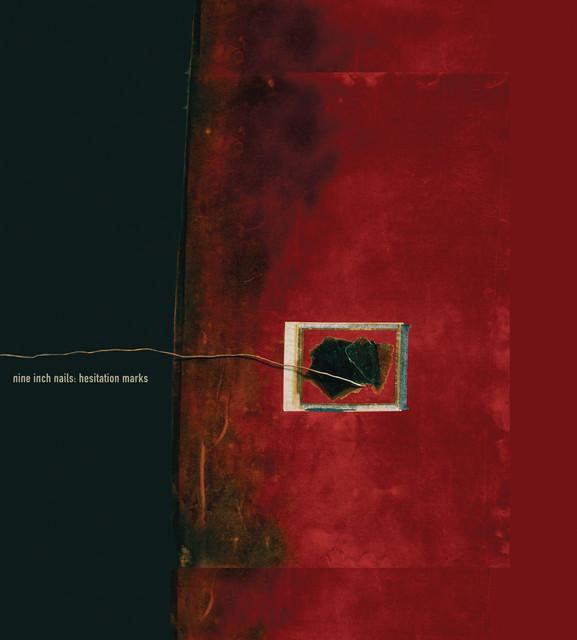
Copy of a by Nine Inch Nails: Losing the Original Self
Why This Song Feels So Unsettling
The meaning of Copy of a Nine Inch Nails centers on identity falling apart under pressure. The song describes a speaker who no longer feels fully original, whole, or even fully in control. Instead, they feel repeated, programmed, and broken into parts.
"Copy of a" - Nine Inch Nails
Everything I say has come before
Assembled into something into something into something
Loading lyrics...
Unable to load lyrics
We're unable to display the lyrics at this time. Please try again later.
That idea appears right away in the phrase copy of a copy
. Rather than saying they are a unique person with a clear center, the speaker presents themselves as a duplicate of a duplicate. The effect is bleak. Every layer seems further removed from something real.
This fits the larger mood of Nine Inch Nails, especially on Hesitation Marks, the 2013 album that includes the song. That record often deals with damage, memory, control, and the struggle to rebuild after collapse.

Watch the official Copy of a
music video
The Core Meaning: Identity as Repetition
At its simplest, this song is about feeling like modern life turns people into copies. The speaker sounds trapped in patterns they did not fully choose. Their words, actions, and even sense of self feel borrowed.
When the lyric uses shadow of a shadow
and echo of an echo
, it suggests a self that has become faint and delayed. A shadow is already indirect. An echo is already a repeat. By repeating those images, the song pushes the feeling of distance even further.
Interpretation: They may be describing creative burnout, social conformity, or the way trauma can split a person from their own identity. The song does not lock itself to one meaning, which is part of why it stays powerful.
How the Verses Build the Theme
Each verse adds a new angle on the same fear: the speaker is no longer solid.
First, they sound unsure whether anything they say is truly theirs. The song suggests that every statement has come before, as if originality has died. Then the self becomes less human and more fragmentary. The line about being made of little pieces
points to a personality assembled from scraps, experiences, and outside pressures.
Later, the song turns toward obedience and threat. The image finger on a trigger
implies action without freedom. The speaker is not acting from inner conviction; they are carrying out instructions. That moves the song from sadness into something more dangerous. The loss of self is not only emotional. It can make people easy to control.
The Chorus Sounds Like a Confrontation
The chorus changes the energy. Instead of only describing inner collapse, it sounds like an argument. Phrases such as play your part
suggest a world where everyone is assigned a role and expected to perform it.
That makes the hook feel social as well as personal. The speaker may be accusing another person, a system, or even themselves. Someone started this cycle. Someone encouraged imitation, pressure, and performance.
Look what you had to start
Why all the change of heart?
You need to play your part
A copy of a copy of a
This brief section matters because it turns identity loss into a chain reaction. One copy leads to another. The problem spreads.
Sound and Production: The Machine Is the Message
Part of the meaning of Copy of a Nine Inch Nails comes from how it sounds. Trent Reznor built Nine Inch Nails around industrial textures, electronic rhythms, and tense vocal performances, and this track uses those strengths with precision.
The beat is tight and mechanical. The synth pattern loops with very little warmth, creating a feeling of automation. Reznor’s voice is controlled but uneasy, as if they are trying to stay calm while describing an internal breakdown.
According to album credits, Reznor wrote the song, and the production on the album involved Reznor, Atticus Ross, and Alan Moulder. That matters because the track sounds carefully engineered to mimic repetition: looping phrases, clipped rhythms, and a structure that keeps circling back rather than fully resolving.
Interpretation: The production does not just decorate the lyric. It acts out the lyric’s idea. The song itself becomes a copy machine, repeating patterns until the listener feels trapped inside them.
Artist Context Makes the Song Richer
By 2013, Reznor was no longer the same artist who made the raw fury of Pretty Hate Machine or The Downward Spiral. They had already moved through addiction, recovery, film scoring, and long gaps between major Nine Inch Nails releases. That history gives this song extra depth.
Instead of youthful chaos, Copy of a sounds like someone examining what remains after years of reinvention. Reznor had spoken in interviews around the album era about rebuilding the band and working through uncertain creative ground. Even without reducing the song to autobiography, that context supports a reading about self-reconstruction.
Two Strong Ways to Read It
Reading One: A Crisis of Personal Identity
This is the clearest reading. The speaker feels emptied out by repetition, habit, and outside influence. They are trying to find an original self but keep meeting copies instead.
Reading Two: A Critique of Culture
The song can also be heard as a critique of mass culture, where people repeat trends, language, and roles until individuality becomes thin. In that reading, the speaker is not alone. They are one person inside a larger system of imitation.
Both readings work because the song moves between private pain and public pressure.
Final Take on the Meaning
The meaning of Copy of a Nine Inch Nails is the fear that a person can become so shaped by repetition, expectation, and control that they lose touch with what is original in them. Its words describe fragmentation, while its music makes that fragmentation feel physical.
That is why the song lingers. It is not only about being fake. It is about being so far removed from the source that the source may no longer be reachable.
Disclaimer: This interpretation is based on the song’s lyrics, sound, and documented context. As with most Nine Inch Nails songs, listeners may reasonably hear other meanings in it.








