Why “Survivalism” Feels Like a Warning
The meaning of Survivalism Nine Inch Nails starts with fear, but it does not stop there. This song turns fear into accusation. It sounds like a world breaking down, yet it also suggests that people helped break it.
"Survivalism" - Nine Inch Nails
We kept on eating, but our bloated belly's still not full
She gave us all she had, but we went and took some more
Loading lyrics...
Unable to load lyrics
We're unable to display the lyrics at this time. Please try again later.
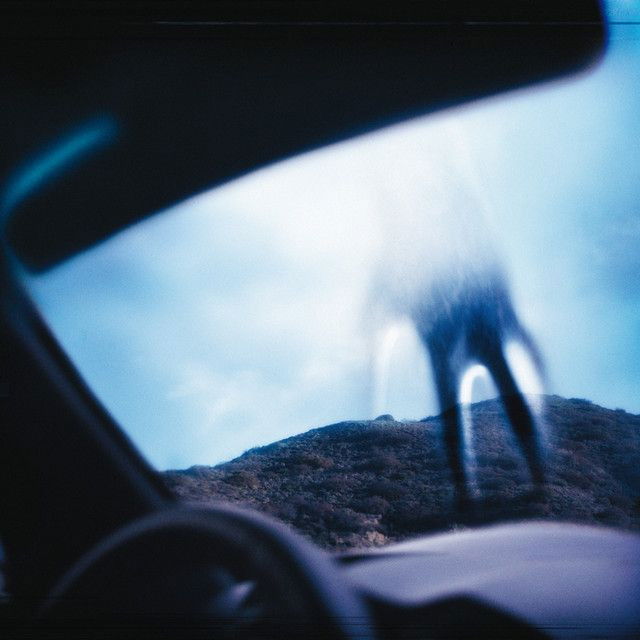
Released as a single from Year Zero, “Survivalism” arrived during a period when Trent Reznor was building a larger dystopian concept around propaganda, control, and social collapse. That context matters because the song is not just about one person panicking. It is about a culture that has trained itself to accept violence and lies.
A Dystopian Song With Real-World Anger
On the surface, the narrator sounds ready for chaos. The repeated claim I got survivalism
feels like a defense mechanism. They are bracing for danger, acting as if toughness is the only honest response left.
But the song is more critical than celebratory. The verses point toward greed, environmental abuse, nationalism, and manipulated truth. Early on, the lyrics describe taking more and more while still staying empty. That image makes the song feel less like a survival guide and more like an attack on endless consumption.
Interpretation: the narrator may be speaking as both an individual and a symbol. They sound like one damaged person, but they also represent a public shaped by fear-based politics and constant media pressure.

Watch the official Survivalism
music video
Mother Nature, Greed, and Moral Rot
One of the song’s sharpest ideas is that destruction starts long before the sirens. It begins with appetite. The line about a bloated belly
paints a system that keeps consuming even after it should stop.
The reference to “mother nature” is especially harsh and ugly on purpose. It suggests a relationship built on exploitation rather than care. Instead of treating the planet as something shared and fragile, the song imagines people using it up, then blaming the damage on everyone else.
That makes “Survivalism” political in a broad sense. It is not only about government. It is also about public behavior: waste, selfishness, and the habit of ignoring consequences until crisis becomes impossible to miss.
Propaganda Is the Chorus’s Real Target
The clearest clue to the meaning of Survivalism Nine Inch Nails may be the line I got my propaganda
. The chorus stacks ideas like identity badges: propaganda, revisionism, violence, national pride, and finally survival.
That order matters. Survival does not come first. It comes after a worldview has already been shaped by distorted stories and rewritten facts. In other words, the song implies that people are taught to fear, then taught to justify what that fear makes them do.
You got your pacifism
I got survivalism
This short exchange turns the ending into a grim argument. One voice holds onto peace; the other chooses hardened self-protection. The point is not that one side is cool or strong. The point is that fear has made empathy seem weak.
The Story Moves From Warning to Collapse
The song’s images unfold like scenes from a breakdown:
- First comes overconsumption and environmental damage.
- Then come manipulated beliefs and media-fed aggression.
- After that, the streets fill with sirens, rifles, and marching.
- Finally, human compassion fails at the exact moment it is most needed.
That last moment is crucial. When the narrator describes someone hurt and asking for help, they keep walking. This is one of the darkest turns in the song. It shows what “survivalism” really means here: not resilience, but moral retreat.
Interpretation: the song argues that social collapse is not only explosions and riots. It is also the quiet decision to stop caring about other people.
How the Sound Makes the Message Hit Harder
Nine Inch Nails were never a band that separated sound from meaning, and “Survivalism” is a strong example. According to album credits, the track was written by Trent Reznor, and its production style fits the mechanical, hostile world of Year Zero.
The guitars grind instead of soar. The drums hit with a march-like force that matches the song’s imagery of boots and rifles. Electronic textures flicker around the beat, creating the sense of surveillance, static, and constant tension.
Reznor’s vocal delivery matters too. He does not sing this like a hero speech. He sounds cornered, disgusted, and half-convinced by his own rhetoric. That tension keeps the song interesting. It feels like the narrator knows they are trapped inside the very mindset they are expressing.
More Than One Meaning Can Be True
There are at least two strong ways to read the song.
First, it can be heard as a critique of post-9/11 fear culture in the United States: endless emergency language, patriotic framing, and the normalization of violence. The phrase great nation
sounds loaded, not proud.
Second, it works as a broader warning about human nature under pressure. When people feel unsafe, they often shrink into tribes, excuses, and self-protection. In that reading, “Survivalism” is not tied to one moment. It is about a repeating pattern.
Both readings fit because the song stays deliberately broad. It points at systems, but it also points at everyday choices.
Why “Survivalism” Still Lands
What keeps this song powerful is that it refuses easy distance. It does not say only leaders are guilty, or only the media, or only the mob. It suggests collapse is shared. People consume, believe, excuse, and abandon.
That is why the meaning of Survivalism Nine Inch Nails still feels sharp. Beneath the aggression, the song asks a simple question: when fear becomes the main rule, what kind of person is left?
Their answer is bleak but effective. The real danger is not just disaster itself. It is the way disaster can train people to call cruelty common sense.
Disclaimer: This interpretation is based on the song’s lyrics, sound, and public context. As with many Nine Inch Nails songs, listeners may hear different meanings in its imagery and tone.








