The Becoming by Nine Inch Nails
Why This Song Still Feels Disturbing
The meaning of The Becoming Nine Inch Nails centers on identity falling apart. The song does not describe a clean transformation or a powerful rebirth. Instead, it presents becoming as something frightening: a person feels their body and mind turning into a machine, while the self they once knew starts to vanish.
"The Becoming" - Nine Inch Nails
It's a part of me, it's inside of me
I'm stuck in this dream
Loading lyrics...
Unable to load lyrics
We're unable to display the lyrics at this time. Please try again later.
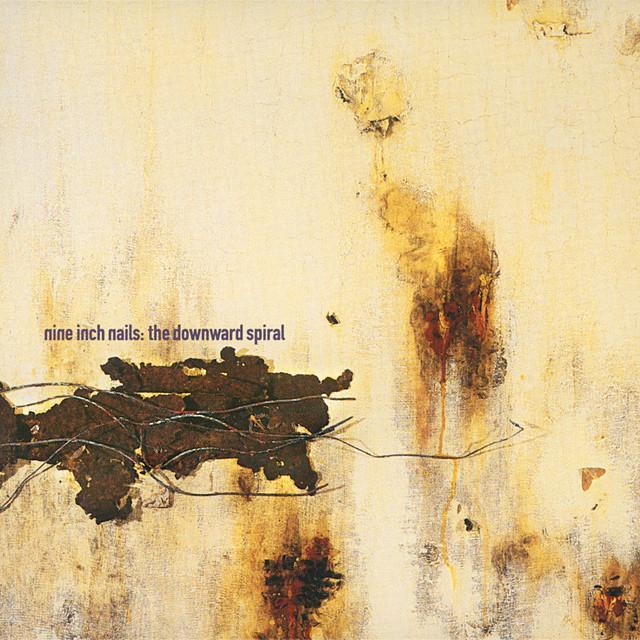
Released on the 1994 album The Downward Spiral, the track sits near the album’s emotional center. That matters, because the record follows a character through self-hatred, control, and collapse. In that wider story, “The Becoming” sounds like the moment when inner damage stops being a feeling and starts becoming a new reality.

Watch the official The Becoming
music video
A Person Watching Themselves Disappear
The song’s speaker describes a split between who they were and what they are turning into. Early lines frame the machine as something both external and internal. When they say part of me
and inside of me
, the idea is clear: the threat is no longer outside. It has merged with the self.
That is what makes the song so upsetting. The narrator is not simply fighting pain; they are becoming shaped by it. The repeated phrase the me that you know
creates a divide between a former self and a current one. The old version had hesitation, feeling, and physical vulnerability. The new version seems harder, colder, and more distant.
Interpretation: This can be heard as dissociation. They seem to observe their own emotional death from the inside, noticing that the familiar self barely appears anymore.
The Core Theme: Numbness as Survival
One of the song’s darkest ideas is that numbness can feel protective at first. The lyric all pain disappears
sounds almost comforting on the surface. But the next ideas make that comfort feel terrible, not healing. Pain is gone because sensitivity itself is shutting down.
The song connects this numb state to circuitry, wires, and mechanical function. That language suggests a person who still operates but no longer feels fully alive. They are present in body, yet emotionally unreachable. The line about being with someone but still far away captures that loss of connection in simple terms.
This is one reason the song resonates so strongly with listeners. It gets at a common fear: not just suffering, but becoming so damaged by suffering that they stop recognizing themselves.
How The Chorus Turns Panic Into Sound
The chorus is less about plot than pressure. It repeats a violent inner conflict until it feels inescapable.
It won't give upnoise inside my head
Before and after those phrases, the song makes the same point in different words: the speaker is trapped with a force that keeps attacking them from within. Repetition matters here. The lines return again and again like a thought loop, panic attack, or intrusive signal that cannot be switched off.
Interpretation: The “it” is left unnamed on purpose. It could be trauma, addiction, depression, technology, self-hatred, or the album’s broader death drive. The vagueness makes the song more powerful because the threat feels total.
Small Images That Carry Big Meaning
Several details deepen the song’s themes without needing much space.
- Scabs and decay: These body images suggest old wounds that never healed.
- Wires and circuitry: These imply a replacement of flesh and feeling with function.
- Being strapped in: This points to helplessness and also self-complicity. The speaker admits they helped create the trap.
- Annie: This brief name introduces a sudden human touch in an otherwise inhuman song.
That last moment is especially striking. When the speaker says slip away
, they sound aware that total disconnection is close. The plea to Annie may be literal, symbolic, or both.
Interpretation: Annie could be a real person, a memory of intimacy, or simply the last thread tying them to ordinary human life.
Why The Production Feels So Claustrophobic
The song’s meaning is not only in the words. It is built into the sound. Trent Reznor and Flood produced The Downward Spiral, and Nine Inch Nails became known for blending industrial noise with vulnerable songwriting; AllMusic notes that mix as a defining part of the project.
On “The Becoming,” the percussion sounds metallic and punishing. The textures scrape rather than flow. The arrangement keeps pushing the listener into harsh edges, making the track feel less like a performance and more like being trapped inside a failing system.
Reznor’s vocal also matters. He shifts between restraint and breakdown, which mirrors the lyric’s split identity. At some moments he sounds detached; at others, he sounds overwhelmed. That unstable delivery reinforces the song’s central idea that the speaker is losing control of what they are becoming.
Where It Fits on The Downward Spiral
Within the album, “The Becoming” acts like a turning point. Earlier songs show anger, desire, and attempts at control. Here, those feelings seem to flatten into mechanical survival. It is not triumph. It is the cost of repeated damage.
That placement helps explain the meaning of The Becoming Nine Inch Nails so well. The song is not saying that becoming something new is good. It asks what happens when adaptation goes too far and the self hardens into something unrecognizable.
Final Take
“The Becoming” is about a person surviving by becoming numb, mechanical, and emotionally distant, then realizing that this survival has erased part of who they were. Its machine imagery, repetitive chorus, and abrasive production all serve the same theme: the terror of losing one’s humanity from the inside.
That reading is the strongest fit for the lyrics and album context, but song meaning remains interpretive. Different listeners may hear mental collapse, addiction, trauma, or modern alienation in the track, and the song leaves room for all of those responses.








