Why “Anthem of the Lonely” Still Hits Hard
The meaning of Anthem of the Lonely Nine Lashes centers on a person refusing to be ruled by emotional damage. The song sounds big and defiant, but its message is surprisingly inward. Rather than attacking the world, they are trying to shed an old, numb version of themselves and stand firm through isolation.
"Anthem of the Lonely" - Nine Lashes
Fracture and tear it out to let it go
And to think I called it my own
Loading lyrics...
Unable to load lyrics
We're unable to display the lyrics at this time. Please try again later.
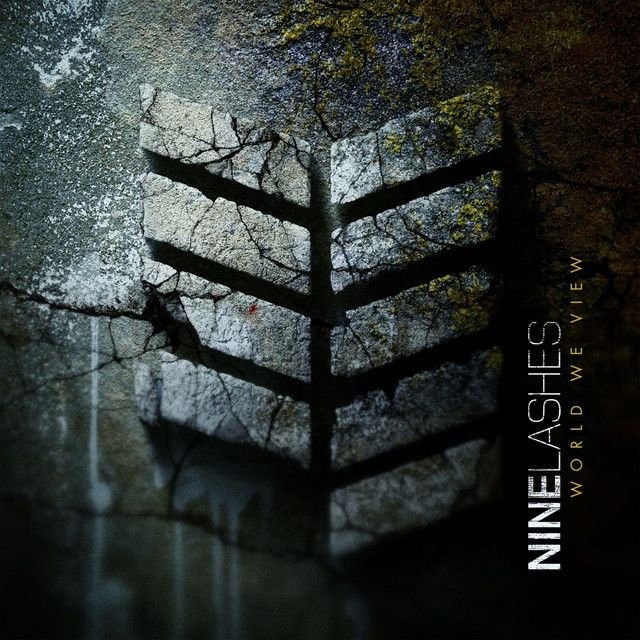
Nine Lashes are a Christian rock band from Alabama, and the song appeared on their 2012 debut album, World We View, released through Tooth & Nail Records, a label long associated with alternative and faith-adjacent rock. That context matters because the band often writes about struggle, endurance, and identity in ways that can feel spiritual without needing one single fixed reading.
A Battle Against Emotional Numbness
The opening image presents a person whose feelings have gone hard over time. When the lyric describes a heart as damaged and cold, it suggests self-protection that has turned unhealthy. The speaker knows this emotional armor once felt necessary, but now it keeps them stuck.
That is why phrases like heart made of stone
and throw away the empty heart
matter. They are not just dramatic rock images. They point to a choice: stop clinging to a hollow identity, even if letting go hurts.
Interpretation: the song treats pain as a turning point. Hurt is not celebrated, but it is presented as something that can force honesty. The speaker seems ready to break old habits rather than continue living emotionally cut off.

Watch the official Anthem of the Lonely
music video
The Chorus Turns Loneliness Into Strength
The most memorable line is also the song’s key idea: I’ll stand, the lonely
. On the surface, that sounds sad. But in the song, loneliness is not defeat. It becomes a badge of survival.
The chorus works because it changes the meaning of being alone. Instead of begging for acceptance, the speaker stands their ground. They may be misunderstood, challenged, or left without support, but they refuse to collapse.
This makes the track feel like an anthem in the truest sense. It gives a communal sound to a private struggle. Listeners who feel isolated can hear themselves in that moment, especially when the repeated right now
makes the decision feel urgent and immediate.
How the Verses Build the Story
The song follows a clear emotional arc:
- They recognize that their inner life has become hardened.
- They accept that pain has grown and cannot be ignored.
- They reject another voice that seems to minimize or misread that pain.
- They step into change, even if it means standing alone.
A key turning point comes with step into the changes
. That line suggests movement, not just thought. The speaker is no longer analyzing the wound from a distance. They are acting.
There is also tension in the second verse, where they admit it is hard to know where to go. That uncertainty makes the song more believable. Confidence does not arrive because life suddenly gets easy. It arrives because they choose resolve in the middle of confusion.
The “You” in the Song Matters
One interesting question in the meaning of Anthem of the Lonely Nine Lashes is who the song addresses. The lyrics include a confrontational “you,” but they never fully define that figure.
Interpretation: there are at least two strong readings.
First, “you” could be another person who has dismissed the speaker’s suffering. In that reading, the line about pain being misunderstood becomes a rejection of someone else’s control or judgment.
Second, “you” could be the speaker’s former self: the voice of fear, numbness, or bitterness that taught them to shut down. That reading fits especially well with the song’s focus on breaking an “empty” heart and seeing life differently.
Because the lyric stays open, both readings can work at once. That flexibility helps explain why different listeners connect with the song in personal ways.
Why the Sound Feels So Uplifting
Musically, the track uses the tools of modern rock to make inner conflict feel cinematic. The guitars hit hard, the drums drive forward, and the chorus expands with a chant-like quality. That arrangement turns private pain into something public and loud.
The contrast is important. The lyrics describe fracture, doubt, and loneliness, but the music refuses to sound defeated. Instead, it rises. That is why the song can feel empowering even while dealing with hurt.
A brief fragment captures the push-pull well:
Never want to leave this place
see it in a different way
Those lines suggest a struggle between staying trapped and choosing a new perspective. The music under them pushes toward release, making that shift feel earned rather than easy.
Faith, Identity, and a Wider Reading
Because Nine Lashes emerged from the Christian rock scene, some listeners hear the song as a faith-based statement about leaving behind spiritual emptiness and standing firm under pressure. That is a reasonable reading given the band’s background and broader catalog.
At the same time, the lyric is broad enough to work outside that frame. It can also speak to depression, social alienation, recovery from toxic influence, or the painful work of rebuilding self-worth.
That wider reach is one reason the song has lasted. It does not lock itself into one narrow message. Instead, it captures a feeling many people know: the moment when being broken can no longer be ignored, and standing alone becomes better than staying false.
What the Song Ultimately Says
At its core, this is a song about transformation through resistance. The speaker does not deny pain. They challenge its power to define them.
So the meaning of Anthem of the Lonely Nine Lashes is less about sadness than about resolve. Loneliness is real here, but it becomes the place where courage is tested and identity is rebuilt.
That is why the song still lands with force. It gives listeners a way to hear struggle not as the end of the story, but as the moment they finally decide to stand.
Disclaimer: This interpretation is based on the lyrics, the band’s public context, and the song’s sound. Like many rock songs, it remains open to personal meaning.