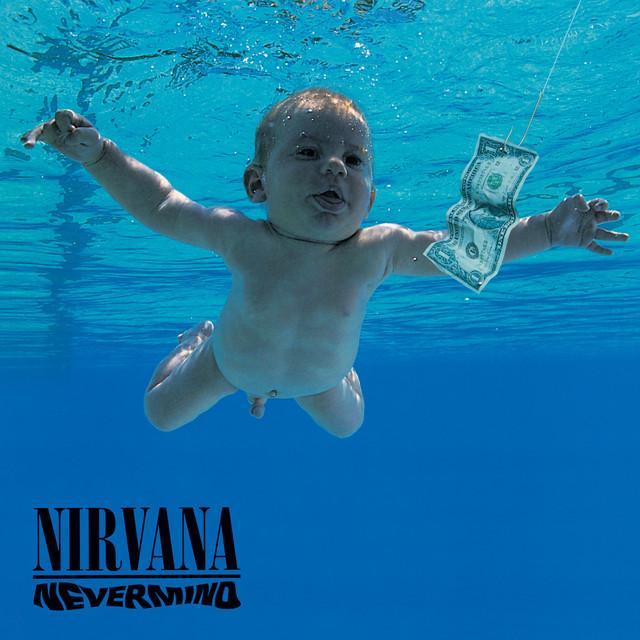
Breed by Nirvana
On the surface, this is a fast, blunt punk song. Underneath, the meaning of Breed Nirvana is about feeling trapped by the life they are supposed to want.
"Breed" - Nirvana
Provided by LyricFindI don't care, I don't care, I don't care
I don't care, I don't care, care if it's old
I don't mind, I don't mind, I don't mindLoading...Loading lyrics...
Unable to load lyrics
We're unable to display the lyrics at this time. Please try again later.
A Punk Song About the Fear of "Normal"
Nirvana released "Breed" as the fourth track on Nevermind in 1991, written by Kurt Cobain and recorded with producer Butch Vig during the album sessions. It was not a major single, but it became one of the record's key blasts of energy and one of the band's most enduring live songs.
The core idea is simple: the song pushes back against suburban routine, family pressure, and the dull promise of adulthood. Rather than celebrate stability, it treats that future as suffocating. That is why the meaning of Breed Nirvana often centers on marriage, children, houses, and the fear of becoming stuck.
Interpretation: The speaker sounds less rebellious in a glamorous way than cornered. They are not giving a polished speech. They are blurting out dread.
Watch the official Breed
music video
The Lyrics Sound Numb, Then Suddenly Panicked
The opening phrases repeat emotional shutdown: I don't care
and I don't mind
. Those lines suggest indifference, but the repetition makes the mood feel forced. It sounds like someone trying to convince themselves that nothing matters.
Then the song swerves into flight. The command Get away
turns the numbness into motion, and I'm afraid
reveals what was under the surface the whole time. That combination is important. The song is not just bored; it is scared of what comes next.
One of the sharpest moments is the line we don't have to breed
. In plain terms, that means they do not have to follow the expected path of reproduction, domestic life, and social duty. It is one of Cobain's bluntest anti-conformist statements.
One Verse Carries the Whole Argument
The key verse pulls together the song's strange logic:
Even if you have, even if you need
We don't have to breed
We could plant a house
We could have all three
These lines sound half-serious and half-absurd. They mix domestic images with impossible phrasing, as if the whole idea of building a normal life has become surreal.
Interpretation: That odd language may show contempt for the standard script. House, family, and future are presented as items in a package deal, but Cobain scrambles the package until it sounds ridiculous.
Why the Song Feels So Chaotic
Part of the reason "Breed" lands so hard is its sound. Musically, it is a fast punk-rock track, often noted at around 160 BPM, and it charges forward with very little breathing room. The drums drive the song like a sprint, while the guitars keep the riff simple and crushing.
Cobain's vocal is crucial. Butch Vig recalled that Cobain recorded several takes and the first was kept because later ones wore his voice out. That detail matters because the final performance sounds raw, strained, and immediate instead of polished.
There is also a dizzy guitar effect during the solo, created through panning. That spinning feel matches the song's emotional state: unstable, boxed in, and on edge.
The Kurt Cobain Context Matters
"Breed" was written before Nevermind made Nirvana famous, and it originally carried the working title "Imodium." That sarcastic early name fits Cobain's humor and his habit of mixing jokes with discomfort.
In artist context, the song belongs to a moment when grunge gave voice to young people who felt alienated from middle-class success stories. They were hearing promises about adulthood that sounded empty: get the job, buy the house, start the family, repeat. "Breed" turns that script into something oppressive rather than comforting.
This does not mean every line is literal autobiography. Cobain often wrote collage-like lyrics. Still, the song clearly taps into anxiety about becoming trapped inside roles that feel chosen by someone else.
Two Strong Ways to Read "Breed"
Reading One: Anti-Suburban Protest
This is the most common reading. The song rejects a future of home ownership, children, and routine. The repeated phrases feel like resistance to social programming.
Reading Two: A Portrait of Mental Overload
Another reading focuses less on suburbia and more on mental state. In this view, the song captures a mind that flips between detachment and fear, using domestic images as symbols of pressure. The repeated She said
can then feel like outside voices, demands, or noise closing in.
Both readings work because Cobain leaves the language open while keeping the feeling clear.
Why "Breed" Still Connects
The meaning of Breed Nirvana still resonates because its target is larger than one decade. Plenty of listeners still feel pushed toward a life they did not fully choose. The song gives that pressure a jagged, memorable shape.
What makes it lasting is the balance of sarcasm and panic. It is catchy enough to shout along with, but uneasy enough to linger after it ends. They hear a song about refusing the script, yet also fearing they may not escape it.
Final Take
"Breed" is not just a loud album cut on Nevermind. It is Nirvana turning middle-class expectation into a source of dread, then blasting that dread through a three-minute punk attack.
Interpretation disclaimer: Song meaning is never fully fixed, especially with Kurt Cobain's fragmented writing style. The reading above is an informed interpretation based on the lyrics, recording history, and Nirvana's broader context.