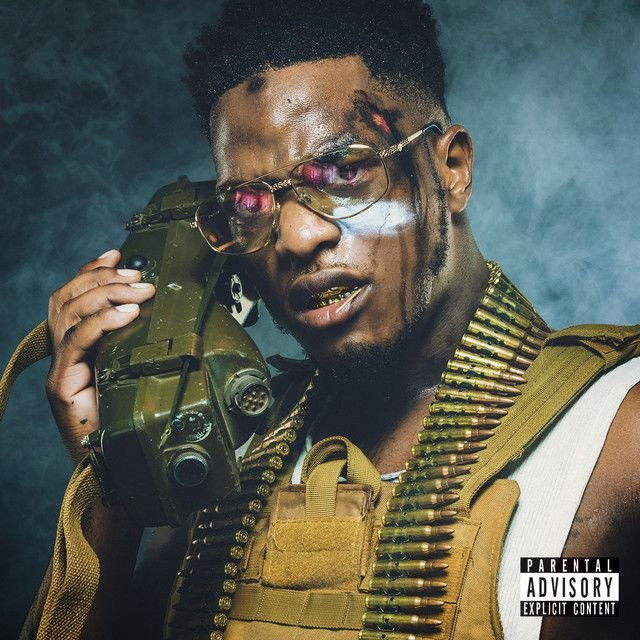
Why 'Réseaux' Turned Online Clout Into Power
The meaning of Réseaux Niska starts with a simple idea: attention is currency. In this 2017 hit, Niska turns social media into a stage where desire, ego, fame, and street credibility all meet. What sounds at first like a catchy club record is also a sharp portrait of how online visibility changes real-life power.
"Réseaux" - Niska
(Skrt, pouloulou)
(Skrt, pouloulou)
Loading lyrics...
Unable to load lyrics
We're unable to display the lyrics at this time. Please try again later.
According to publicly available release data, “Réseaux” came out on July 14, 2017, appeared on Commando, and reached No. 1 in France and Belgium. It was produced by Pyroman and became one of Niska’s signature songs, with the video drawing hundreds of millions of views. Those facts matter because the song is not just about fame—it became proof of it.
More Than a Hook About Social Media
On the surface, the song follows a familiar rap setup: the narrator is relaxed, drinking, scrolling, and watching people online. The title itself means “networks,” but in context it points most clearly to social networks and digital image-making.
When Niska uses phrases like sur les réseaux
and elle m'a pas followback
, he is not only describing flirting. He is describing a social order where follows, recognition, and response become signs of value. The sting of being ignored matters because later the song flips that feeling into victory.
That is why the repeated idea that someone acted like they did not know him, then later saw him on TV and copied his dance, hits so hard. The song thrives on that reversal. First, there is dismissal. Then there is public success. After that, the same person can no longer pretend not to know who he is.

Watch the official Réseaux
music video
The Real Story: Rejection Turns Into Recognition
A big part of the meaning of Réseaux Niska is this emotional timeline:
- They notice someone online.
- They get ignored.
- They rise in visibility.
- The same people now recognize them.
That progression gives the song its shape. The hook is funny and sticky, but it also carries a bruise. Being ignored online is a small modern humiliation. Niska turns that slight into a flex.
Elle fait la go qui connaît pas Charo
Elle m'a vu à la télé'
In those short lines, the whole argument of the song appears: public success exposes fake distance. People who once played indifferent now join the wave.
Street Memory Still Sits Under the Bragging
The verses make the song richer than a viral catchphrase. Niska brings in hunger, danger, and neighborhood survival. He references having known poverty from a young age and describes a world shaped by prices, clients, hierarchy, and violence.
These details suggest that the online boasting is built on older hardship. In other words, the fame is new, but the toughness is not. When the narrator talks about money, caution, and conflict, they are grounding internet-era swagger in a much rougher reality.
Interpretation: This is one reason the song resonated so widely. It blends the language of apps and follows with the logic of the street. Social media may be the visible setting, but the deeper theme is social climbing under pressure.
What the Chorus Says About Masculinity and Performance
The chorus is built to be repeated in clubs, cars, and parties. But beneath that fun, it stages identity as performance. The narrator watches, judges, remembers rejection, and returns stronger. Fame becomes a way to rewrite the interaction.
Short phrases like danse ma choré
matter here. They suggest more than a dance move. They point to influence itself: if others repeat their gestures, then they have shaped the culture around them.
That makes the song partly about masculinity in the attention economy. Desire, status, and control all get measured through visibility. The woman in the song is often presented as an audience member, while the narrator claims center stage. Some listeners may hear that as swaggering fun; others may hear critique in how transactional the interactions feel.
Why the Sound Makes the Message Hit Harder
Produced by Pyroman, the beat is lean, bouncy, and repetitive in a smart way. It leaves room for the hook to punch through instantly. The ad-libs and clipped phrasing make the song feel half-spoken, half-chanted, which is perfect for a track about memorable image and repeated behavior.
The production also mirrors the theme of scrolling and looping. The track moves with a kind of hypnotic bounce, like the same thought coming back again and again: they ignored me, now they see me. That circular feeling helps explain why the song stuck so deeply in popular culture.
Why It Became Bigger Than Its Premise
Factually, “Réseaux” was one of the biggest French rap songs of 2017, topping charts and later earning major certifications. That commercial success reinforces the song’s own message. A record about recognition became impossible to ignore.
Interpretation: Part of its appeal is how modern it feels without being complicated. Anyone understands the emotional shift from being unseen to being watched. Niska packages that feeling inside humor, aggression, and a chorus built for instant recall.
Final Take on the Meaning
The meaning of Réseaux Niska is not just “social media song.” It is a song about how recognition changes relationships. It shows how fame can turn rejection into proof, and how online attention can stand in for power, desire, and respect.
That is why the track still lands. It captures a very current experience—being measured by visibility—while tying it to older themes of pride, survival, and status.
Disclaimer: This interpretation is based on the lyrics, performance, and public context of the song. Like any song meaning piece, some readings are interpretive rather than confirmed by the artist.








