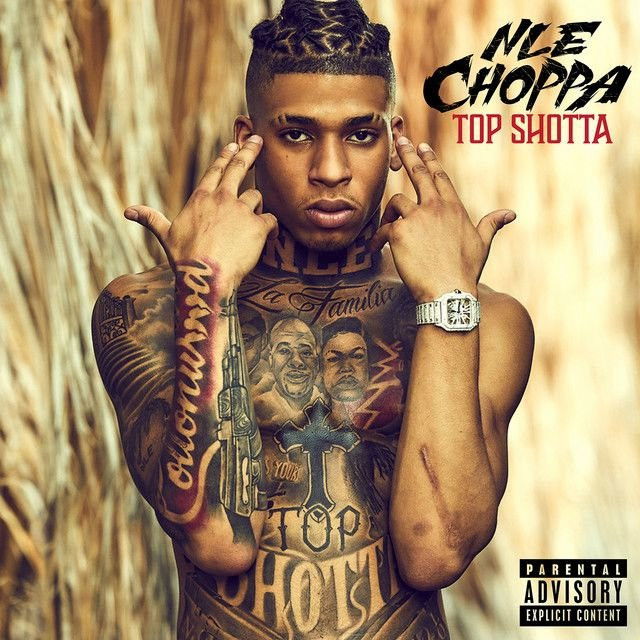
Why ‘Shotta Flow 3’ Hits Like a Threat
The meaning of Shotta Flow 3 NLE Choppa starts with pressure. This is not a reflective song or a hidden-story song. It is a performance of power. NLE Choppa uses fast threats, gang claims, insults, and boasts to build one clear image: they want to sound untouchable.
"Shotta Flow 3" - NLE Choppa
I might just K.O
The Perc up in my Faygo
Loading lyrics...
Unable to load lyrics
We're unable to display the lyrics at this time. Please try again later.
As the third entry in a breakout series that grew from the success of “Shotta Flow”, the track leans into the style listeners already knew. The point is not subtle character development. The point is escalation. Each line tries to hit harder than the last, making the song feel like a nonstop test of dominance.
The Core Meaning: Reputation Above Everything
At its center, the song is about protecting status through aggression. The narrator keeps presenting themself as someone who cannot be challenged without consequences. When they say I might just K.O
, the image is less about sport than instant punishment. It sets the tone for everything that follows.
The hook reinforces that idea. Phrases like got say so
frame the speaker as a local authority figure, someone who believes they control what happens around them. In plain terms, the song says respect is not requested here; it is demanded.
Interpretation: This is why the track feels so blunt. It treats violence not as a tragic reality to unpack, but as a language of rank. The song’s world runs on fear, reputation, and fast retaliation.

Watch the official Shotta Flow 3
music video
How the Verses Build That Persona
The verses move in waves of threats, gang affiliation, and sexual bravado. There is very little pause for detail. Instead, NLE Choppa stacks punchlines and weapon imagery to make the persona feel larger than life.
A key part of the song’s method is ridicule. Rivals are not only threatened; they are mocked as weak, fake, or disloyal. One line calls out people who claim they are street-tough but supposedly cooperated with police. Another paints enemies as bad shooters who miss their chance. These moments matter because humiliation is part of the attack.
That is why a phrase like Shotta Flow 3
works as more than a title drop. It announces a returning identity. The series itself becomes a badge: this is the sound of someone doubling down on the image that made them famous.
A World of Hyperbole, Not Confession
Listeners should be careful not to hear every line as a literal report. Rap songs like this often use exaggeration, comic violence, and impossible one-liners to project control. The imagery is extreme on purpose.
On the opposition block
just like a Lego
That small couplet shows how the song works. It takes a threat and packages it in a clever, almost cartoonish comparison. The writing is meant to entertain as much as intimidate.
Interpretation: The real subject may be less crime than theater. NLE Choppa performs danger in a way that rewards shock, quotability, and rhythm. The bars are built to be repeated, reacted to, and shared.
The Beat Turns Bragging Into Momentum
Production is crucial to the meaning of Shotta Flow 3 NLE Choppa. Even without a full producer credit in the provided data for this sequel, the sound clearly follows modern trap habits: hard drums, a spare melodic loop, and lots of open space for the rapper’s voice to jab through the mix.
That minimal beat matters. Because the instrumental is not crowded, every threat lands sharply. Their delivery is jumpy, clipped, and aggressive, which makes the song feel like confrontation in real time. Instead of telling a story with a beginning, middle, and end, the record creates an adrenaline state.
This helps explain why the “Shotta Flow” brand became so durable after the first breakout hit from the Cottonwood era. The original song’s viral rise came from its repetitive hook, energetic trap style, and combative charisma, as summarized by Simple English Wikipedia. “Shotta Flow 3” keeps that same engine running.
Artist Context Changes the Reading
NLE Choppa emerged very young, and that matters when reading this song. Early in their career, they became known for explosive delivery, dance-ready energy, and street-centered bravado. “Shotta Flow 3” belongs to that early image-building phase, where intensity often mattered more than nuance.
So the song can be heard as brand maintenance. They are not trying to surprise listeners with vulnerability. They are proving they can still deliver the reckless force people came for. Even the anti-police line and gang references function as markers within that persona, signaling loyalty and defiance.
Interpretation: In this context, the song is partly about audience expectation. Fans wanted escalation, and the track gives them a louder, harsher version of the identity the series promised.
Why the Song Connected Anyway
For many listeners, the appeal is not agreement with the lyrics. It is energy. The song is catchy because it moves like a taunt. The bars are short, the images are vivid, and the flow keeps changing just enough to avoid feeling flat.
A few reasons it works:
- The hook is easy to remember.
- The punchlines are visual and often funny in a dark way.
- The delivery sounds urgent.
- The series title gives it built-in recognition.
That last point is important. Sequels in rap can feel repetitive, but they also create familiarity. “Shotta Flow 3” sounds like a known product, and that familiarity helps listeners lock in fast.
Final Take on Its Message
The meaning of Shotta Flow 3 NLE Choppa is not hidden deep below the surface. It is a song about dominance, survival-posturing, and public intimidation. NLE Choppa uses threats, insults, and relentless energy to present themself as someone who cannot be crossed.
What gives the song staying power is not wisdom but force. It turns aggression into rhythm and turns reputation into spectacle. Interpretation: That makes it less a diary entry than a high-volume persona piece, where sounding fearless is the whole point.
Disclaimer: This interpretation is based on the lyrics, performance style, and available public context. Meaning in music can vary from listener to listener.









