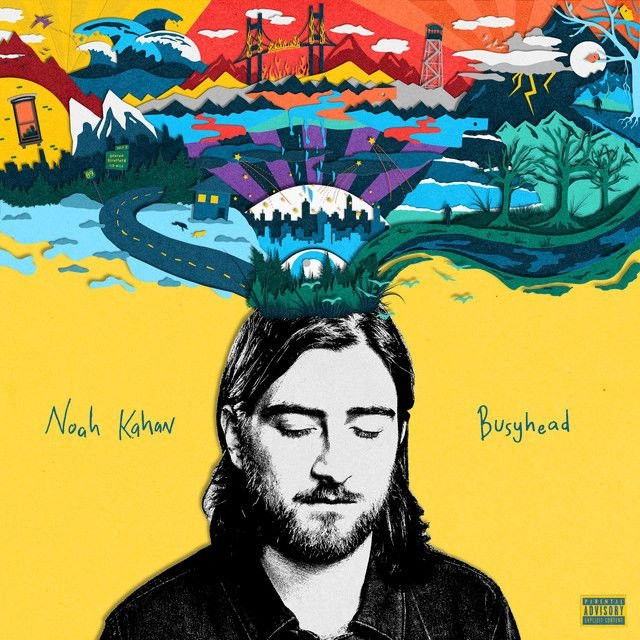
Why Noah Kahan’s “Cynic” Hits So Hard
A song about losing wonder without losing self
The meaning of Cynic Noah Kahan centers on emotional exhaustion. The song follows someone who feels worn down by travel, pressure, attention, and time. They are not simply sad in a dramatic way. Instead, they sound tired of their own reactions and worried that the open, hopeful version of themselves is fading.
"Cynic" - Noah Kahan
I'd give my face to find a place to put my head
But this is who we are
Loading lyrics...
Unable to load lyrics
We're unable to display the lyrics at this time. Please try again later.
That is why the title matters. When they admit I'm a cynic
, it does not feel proud or cool. It feels like a diagnosis. The speaker seems to notice that distance and doubt have become habits, even though they still want to believe in things the way they once did.
Watch the official Cynic
music video
The heart of the lyric: burnout dressed as honesty
On the surface, “Cynic” describes movement and success. There are planes, Los Angeles, the Hollywood sign, and the idea of public attention. But the song keeps undercutting those markers of achievement. The speaker reaches places people are supposed to dream about, yet none of it restores meaning.
Early lines suggest a deep need to escape the self. They imagine changing identity and even appearance just to rest. Paraphrased, the idea is simple: if they could become someone else for a while, maybe the pressure would ease. That is more than stress. It hints at burnout so intense that even basic peace feels out of reach.
A key moment comes when they say they might lose it
if they think too hard. That phrase frames the whole song. Their cynicism is not just snobbery or boredom. It may be a defense against overthinking, disappointment, and collapse.
Fame, California, and the emptiness of arrival
Why the Hollywood image matters
The song uses Los Angeles and the Hollywood sign as symbols of success. For many artists, those images suggest ambition, arrival, or possibility. Here, they do the opposite. When the singer says the sign does not catch their eye anymore, the point is not that Hollywood is bad. The point is that the thrill is gone.
That makes the song less about one city and more about what happens after a dream comes true. Once the symbol loses magic, a person has to face what is left inside.
Pressure can twist both failure and success
Another sharp idea appears when the speaker wonders whether a public breakdown would make them famous. Paraphrased, they are noticing how modern attention works: pain can be consumed like content. The line is bitter because it suggests there is no effort to it
. In other words, the world may reward collapse as quickly as talent.
Interpretation: this is one reason the song sounds cynical rather than simply depressed. The speaker sees the system clearly, maybe too clearly. They understand how image, failure, and fame can blur together.
The chorus asks for something very specific
The repeated plea for the open mind
they had before is the emotional core of the track. They are not asking to be younger, richer, or more successful. They want their earlier way of seeing.
That choice is important. It suggests the real loss is internal. They miss curiosity, trust, and a sense that life was still unfolding. The chorus also repeats the idea of living with it
, which gives the song tension. They are coping, but coping is not healing.
I'm living with it
Oh, I'm a cynic
Give me the open mind
Those lines capture the push and pull of the song. One side accepts the damage. The other side still asks for renewal.
Missing the pain that once made sense
One of the most moving turns comes late in the song, when the speaker says they miss the period when each day felt better than the last and when growing pains seemed temporary. Paraphrased, they even miss old fears because those fears belonged to a life that still felt headed somewhere.
This is a subtle idea. “Cynic” is not romanticizing suffering itself. It is mourning a time when suffering had direction. Back then, pain felt like part of growth. Now, pain feels static. That is why the song hits listeners who are dealing with adulthood, creative pressure, or emotional numbness.
How Noah Kahan’s style deepens the meaning
Noah Kahan is known for writing direct, emotionally literate songs that mix folk storytelling with pop structure, a style heard across his catalog and public profiles, including his official site and label materials. In “Cynic,” that balance matters. The words are specific enough to feel lived-in, but broad enough for listeners to apply to their own burnout.
The production, co-written by Kahan and Joel Little according to the song credits provided, supports that message. The melody is catchy and the hook is easy to hold onto, but the repeated vocal sounds and looping chorus create a trapped feeling. Instead of sounding triumphant, the repetition feels circular, like the mind returning to the same thought.
Interpretation: that contrast is central to the song’s power. It sounds accessible, even anthemic, while describing a shrinking inner world.
A few strong ways to read “Cynic”
There is more than one valid reading of the meaning of Cynic Noah Kahan:
- A burnout song. The clearest reading is that the speaker is emotionally overextended and afraid they are losing their capacity for wonder.
- A fame song. The references to press, planes, L.A., and Hollywood suggest industry fatigue and the cost of visibility.
- An aging song. The line about feeling old points to the moment when idealism starts hardening into habit.
These readings work together rather than compete. The song’s strength is that it turns all three into one emotional state.
Why the song stays with people
“Cynic” resonates because it names a feeling many people struggle to admit: becoming harder, more doubtful, and less amazed than they used to be. It does not offer an easy fix. Instead, it tells the truth about wanting to feel open again while not knowing how to get there.
That honesty is what makes the song feel intimate. It is not just about celebrity life. It is about the fear that maturity can slowly become emotional armor.
Disclaimer: This interpretation is based on the released lyrics, song context, and publicly available credits. As with any song, meaning can vary from listener to listener.









