13 Stitches by NOFX
A short punk song can hold a whole life story. That is the key to the meaning of 13 Stitches NOFX: it is less about one injury than about the moment punk stopped being music and became identity.
"13 Stitches" - NOFX
Provided by LyricFindThe first time I saw the Descendants,
They were the fastest band I'd ever seen
No one in the crowd really cared for them,Loading...Loading lyrics...
Unable to load lyrics
We're unable to display the lyrics at this time. Please try again later.
A bruised love letter to hardcore
At its core, “13 Stitches” is a memory song. They use a fast, funny, autobiographical style to trace how early hardcore shows changed the narrator’s taste, values, and sense of self. The song moves from first exposure, to growing obsession, to physical harm that somehow becomes part of the badge of belonging.
Interpretation: the point is not just, “punk shows were wild.” It is that the chaos gave the narrator a place to stand. A trip to a club, a late-night radio play, and a trip to the hospital all sit on the same emotional line. They are milestones in conversion.
That helps explain why the song feels so affectionate even when it describes ugliness. The scene is shown as thrilling, petty, violent, tribal, and unforgettable all at once.
Watch the official 13 Stitches
music video
How the story unfolds in three fast scenes
NOFX structure the lyric like a set of snapshots. Each verse marks a new step deeper into hardcore culture.
First contact becomes obsession
The opening memory centers on seeing the Descendents and realizing they were the fastest band
the narrator had heard. The crowd barely cared, which matters. The song suggests that life-changing moments do not always arrive with big public approval.
Then a late-night radio spin of Kabuki Girl
seals it. Instead of staying a casual fan, the narrator gets on a bus and buys the record. That detail turns taste into action. Punk is no longer background noise; it becomes pursuit.
The scene gets wider and uglier
In the next section, the narrator encounters more of hardcore’s speed and aggression through bands like D.O.A. and MDC. But they do not romanticize everything. One band is admired for intensity, then criticized because the songs blur together and kinda sucked
.
That mix of praise and mockery is very NOFX. They love punk enough to make fun of it. The verse also shows a scene where ideology, drunkenness, style policing, and violence all crash together. Punk is not pure here. It is exciting, but also mean.
The injury seals the memory
The final section gives the song its title and emotional hook. The narrator ends up needing 13 stitches in my head
after being thrown into a post at a show. Their girlfriend cries, they miss part of the lineup, and the shirt comes home soaked in blood.
Yet the last image turns dark comedy into meaning. The stained shirt looks cool after a wash. That is the whole song in miniature: pain gets turned into myth, and myth becomes identity.
What the details say about punk identity
The meaning of 13 Stitches NOFX gets clearer when the references are read as symbols, not just name-drops.
- Bands represent stages of initiation.
- Clubs and radio show how local scenes spread taste.
- Blood and stitches mark the body as part of the culture.
- The girlfriend’s reaction adds contrast: what feels legendary to the narrator feels scary to someone outside the ritual.
Interpretation: the song is about memory editing reality. In real time, getting hurt was frightening and stupid. In hindsight, it becomes a story worth telling. That does not mean the violence was good; it means subcultures often turn damage into proof of authenticity.
Why the sound matters as much as the words
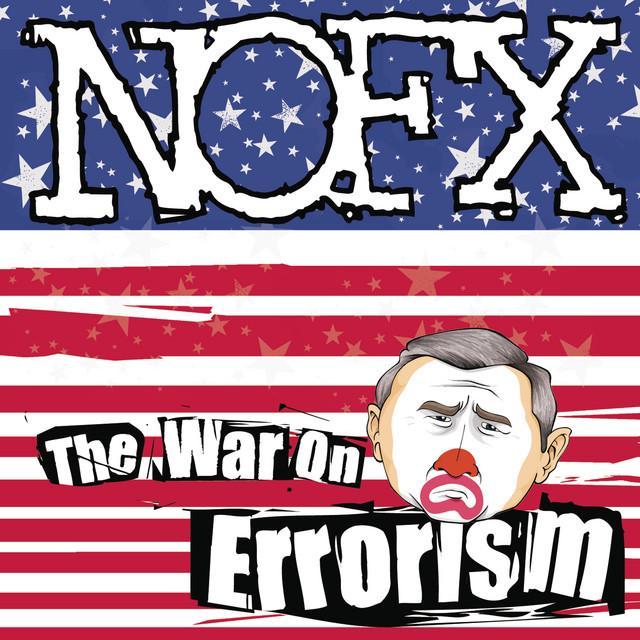
“13 Stitches” appears on The War on Errorism, NOFX’s 2003 album released through Fat Wreck Chords. The record was produced by Ryan Greene and Fat Mike, and the album reached No. 1 on Billboard’s Independent Albums chart and No. 44 on the Billboard 200, according to Wikipedia’s album summary. That album is packed with political satire, so this track stands out as a personal flashback inside a broader protest record.
The production helps the meaning land. The song is under two minutes, which fits the hardcore memories it celebrates. It does not linger. It hits, leaves a mark, and moves on.
The band’s classic setup—Fat Mike on bass and vocals, dual guitars from Eric Melvin and El Hefe, and Erik Sandin’s drumming—gives the track that clipped, forward-thrusting NOFX feel. According to the same album notes summarized on Wikipedia, “13 Stitches” was humorously noted in the liner notes as not being recorded anywhere, which matches the band’s irreverent style.
Interpretation: the rough speed mirrors memory itself. The song feels like someone talking fast because the story still excites them. There is almost no distance between the older narrator and the younger fan getting pulled into the scene.
A song about scene history, not just nostalgia
There is real history embedded here. References to Descendents, D.O.A., MDC, Ill Repute, and D.R.I. place the song inside the early Southern California and North American hardcore network. Even if every detail is not meant as documentary evidence, the names create a map of punk lineage.
That matters because NOFX often write with sarcasm. Here, though, the sarcasm protects sincerity rather than replacing it. They are not mocking punk from the outside. They are admitting that they were shaped by a scene full of contradictions.
My girlfriend started to cry
We had to leave
That brief moment is important because it breaks the cool pose. For a second, the cost of the scene becomes visible. Someone is hurt. Someone is scared. Then the song rushes back into the memory machine.
The lasting takeaway from the song
The best reading of “13 Stitches” is that it captures how subcultures become personal mythology. The narrator does not remember punk as safe, noble, or even consistently good. They remember it as formative.
That is why the meaning of 13 Stitches NOFX lands so strongly. The song says a person can be changed by music in ways that are physical, social, and emotional. A radio play leads to a record. A record leads to a scene. A scene leaves scars. And those scars, fairly or not, become part of the story they tell about who they are.
Disclaimer: This interpretation is based on the lyrics, artist context, and publicly available release information. As with most songs, listeners may hear different meanings in the same lines.







