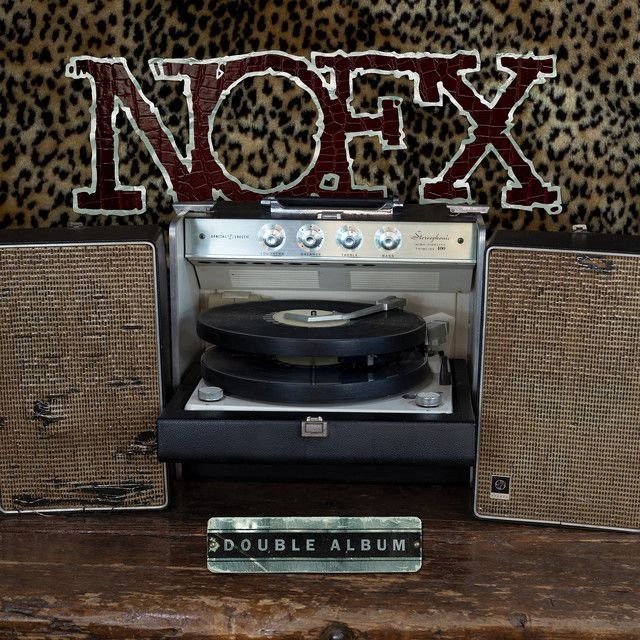
Punk Rock Cliché by NOFX
They light a match and own the smoke. That’s the emotional center of NOFX’s Punk Rock Cliché, a late-era burner that turns scene satire into a confession. The meaning of Punk Rock Cliché NOFX lives in this tension: they used the tropes, enjoyed the chaos, and now face the fallout.
"Punk Rock Cliché" - NOFX
Sins of the flesh, are not sinned alone
Invite the arsonist for incendiary fun
Loading lyrics...
Unable to load lyrics
We're unable to display the lyrics at this time. Please try again later.
Ashes of a Scene, Ruins of a Relationship
The opening image of a home in flames frames the whole story. When the narrator asks Who made this mess
, they’re not dodging the answer—they’re circling it. The “arsonist” isn’t just a villain; it’s a stand-in for choices made inside the relationship and inside the band’s world.
Interpretation: The burning house is both a love story gone bad and a scene burned by its own habits. The lyric points to complicity, not accident. There’s smoke, secrecy, and blame—but the larger theme is accountability.
Watch the official Punk Rock Cliché
music video
The Refrain That Owns the Damage
The chorus names the tragedy outright: they became punk rock cliches
. That admission lands because it pairs swagger with self-critique. They bragged, they gambled, and—by their own account—we knew the risks
.
Interpretation: Calling themselves clichés is both a joke and a judgment. It’s the band lifting the mask and saying the costume fused to their skin. The hook reframes the verses: it isn’t just a story about flames; it’s a loop of repeated mistakes.
'Cause when I watched it all crumble away I realized the walls we built were just paper mache
Those two lines gut the myth that punk defiance builds something indestructible. Paper-mâché looks solid, sells an image, and then dissolves under heat and time.
Symbols That Spark: Fire, Bets, and False Fortresses
The fire imagery is blunt by design. “Arsonist,” “smoke,” and “gasoline” make the metaphor tactile. The Hindenburg name-check scales up the disaster—trust doesn’t just fail; it explodes. The image of licking a “silver tray” hints at indulgence and entitlement, while “castles of stone” versus paper walls contrasts fantasy and reality.
Risk runs through the track like a fuse. They placed the bets
, and that gambling metaphor ties back to punk’s thrill-seeking DNA. Another quick nod to power games and performance underscores how roles can become ruts. Interpretation: The song says the game itself—romantic, artistic, or subcultural—rewards spectacle over care, and then punishes the players when the show can’t go on.
How the Sound Fans the Flames
Musically, this is classic NOFX: brisk drums, palm-muted churn, and a bright, singable chorus. Fat Mike’s vocal sits slightly sneering but wounded, a delivery that sells the self-blame. Guitars slash, then open into melodic leads that lift the hook, making the self-own feel anthemic.
On Double Album, longtime collaborators Bill Stevenson and Jason Livermore give the band a tight, punchy mix. The tempo feels like a chase scene, which fits lyrics about speeding past warning signs. Interpretation: The rush mirrors reckless choices—the arrangement sprints while the words count the cost.
Two Lenses: Scene Satire or Personal Confession?
Interpretation one: It’s a breakup autopsy. The “home” is a relationship; lies and blurred truths are accelerants; the chorus accepts fault. In this view, the song is about how denial and thrill-seeking torch intimacy.
Interpretation two: It’s a mirror for punk itself. The band mocks pose and predictability while admitting they’re part of it. Lines about trust blowing up and walls made of paper-mâché hint that even DIY myths can harden into hollow sets.
A blended reading may be the truest. Personal failure and scene critique often rhyme in NOFX’s catalog, and this song welds them together with bitter clarity.
What Actually Happens, Beat by Beat
- Ignition: The narrator surveys wreckage and asks who’s responsible.
- Accelerant: Lies, secrecy, and indulgence feed the blaze.
- Admission: The chorus confesses cliché status and accepted risk.
- Collapse: Trust catastrophically fails; symbols of strength prove fake.
- Aftermath: They face the cost and the pattern that got them there.
Key phrases like Trust can burn
and we knew the risks
make the moral plain: the damage wasn’t random. It was a bet placed on spectacle.
Closing Spark
If punk is about truth, Punk Rock Cliché holds its nose to the smoke and refuses to look away. The song says image without honesty is kindling. That’s why the hook stings: they didn’t just spot a cliché; they became one.
Disclaimer: Song interpretations are subjective. This reading combines textual analysis with known context to offer one informed perspective on meaning.








