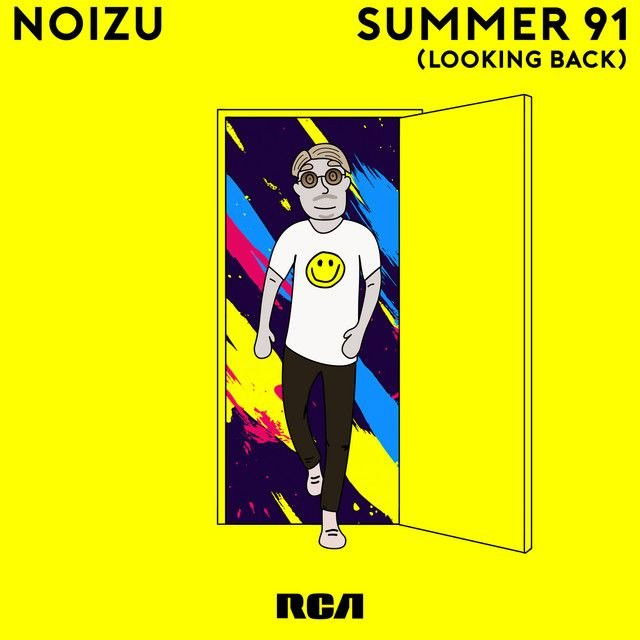
Why Noizu's 'Summer 91' Hits So Hard
The meaning of Summer 91 (Looking Back) Noizu starts with a feeling many people know well: they do not always realize a moment matters until it is gone. Noizu turns that idea into a sleek house track about memory, desire, and the pain of trying to revisit a past high.
"Summer 91 (Looking Back)" - Noizu
Until it's a memory
Yeah
Loading lyrics...
Unable to load lyrics
We're unable to display the lyrics at this time. Please try again later.
The song is simple on the surface, but that simplicity is the point. Its few lines circle one emotional truth: people can get stuck chasing a version of life that felt brighter, freer, and more alive.
A Dance Song About Memory, Not Just the Past
At the heart of the song is nostalgia. The speaker is not calmly remembering old days; they are pulled toward them. When the lyric mentions how it used to be
, it frames the past as something vivid and emotionally loaded, not a dead chapter.
That is why the track feels bigger than a standard club anthem. The phrase living for the ecstasy
suggests more than partying. It points to peak feeling: joy, release, community, and maybe even youth itself.
Interpretation: the song is about wanting the emotional rush of an earlier time, while knowing that time cannot be fully recovered.

Watch the official Summer 91 (Looking Back)
music video
Why 1991 Matters in the Title
The title does important work. According to Songfacts, the song looks back to the early-'90s house and rave era, with 1991 used as a cultural symbol for a breakthrough moment in dance music. That year is linked to key records, clubs, and the wider rise of rave culture.
So, “Summer 91” does not need to be read as a literal diary entry. It works more like a fantasy of a golden age. For listeners in the United States, that idea translates easily: it is the dream of a scene that felt raw, communal, and unforgettable.
The Chorus Turns Nostalgia Into Obsession
The song’s emotional center is the repeated idea lookin' back
. Because Noizu loops it so often, the phrase stops sounding reflective and starts sounding compulsive.
That matters. The speaker is not choosing memory; memory is choosing them. When they admit no matter what I do
, the line suggests helplessness. They cannot move forward cleanly because the past keeps interrupting the present.
When you don't realize you're in the moment
Until it's a memory
This opening thought gives the whole track its logic. It says that value often arrives late. By the time people understand what they had, they no longer have it.
The Verses Keep Reaching for a Lost Feeling
The verse adds detail to that emotional trap. The line holding on to yesterday
presents nostalgia as an active grip. This is not gentle remembrance. It is clinging.
Then the song asks if they can go there again
. That is the key question. It can mean returning to a club scene, a younger self, a relationship, or a pre-pandemic kind of freedom. The lyric stays broad enough for all of those readings.
Two strong ways to read it
- Collective dance-floor longing: The song captures how club culture felt out of reach during lockdown.
- Personal nostalgia: It can also describe anyone replaying a time when life felt more intense or meaningful.
Both readings fit the text, and both gain support from the song’s context.
Artist Context Makes the Meaning Clearer
Noizu told Songfacts that they wanted to capture “the nostalgic elements of '90s house but with a modern feel.” The same source says the song was written during COVID lockdown as “a yearning for lost time.”
That background is important because it narrows the interpretation. This is not just a random retro reference. It was shaped by a period when crowded rooms, nightlife, and shared release suddenly felt distant.
Songfacts also notes that the track first appeared on Noizu’s Techne imprint in 2020, then returned in a revamped version with more vocals and a new mix on RCA Records on January 15, 2021. It later reached No. 27 on the UK singles chart. Those facts show the song connected beyond a niche scene.
How the Sound Carries the Message
The production is a big reason the song works. Noizu builds it from house basics: a firm four-on-the-floor beat, a pulsing bassline, clean percussion, and a vocal hook designed to loop in the listener’s head.
That structure mirrors the meaning. House music often uses repetition to create release, but here repetition also mimics mental replay. The beat keeps moving forward while the words keep turning backward. That tension is the whole song.
The polished mix gives the track a modern shine, yet the emotional DNA feels retro. That balance supports Noizu’s stated goal of pairing '90s nostalgia with current dance production.
Why the Song Resonates Beyond Club Culture
Even listeners who know little about rave history can connect to it. Everyone has had a season of life that later seemed brighter than it did in the moment. The song taps that universal regret without becoming heavy or melodramatic.
That is why the meaning of Summer 91 (Looking Back) Noizu feels so immediate. It is about dance music, yes, but also about the human habit of turning lived experience into myth. People remember the rush, smooth out the mess, and then ache for what remains out of reach.
The Lasting Takeaway
In the end, “Summer 91 (Looking Back)” is about more than a year, a scene, or a party. It is about the strange delay between living and understanding. By the time people know a moment mattered, it has already become memory.
Interpretation disclaimer: This reading combines the lyrics, production choices, and published artist context. Because the song uses broad, minimal language, other listeners may hear different personal meanings in it.








