Why 'La jument de Michao' Feels Ancient and Alive
The meaning of La jument de Michao Nolwenn Leroy starts with a surprise: this is a song that sounds festive, but its story carries a warning. Nolwenn Leroy’s version takes a traditional folk text and turns it into something both earthy and modern. The result is lively on the surface, yet full of anxiety about time, hunger, and what happens when people or animals consume what should be saved.
"La jument de Michao" - Nolwenn Leroy
J'entends le loup et le renard chanter
C'est dans dix ans je m'en irai
Loading lyrics...
Unable to load lyrics
We're unable to display the lyrics at this time. Please try again later.
Because the song is traditional, there is not one single fixed “official” interpretation. Still, the main idea is clear. It describes a rural world where survival depends on planning ahead, and where nature is beautiful but never fully safe.
A Folk Song Built on Time and Consequence
At the center of the lyric is a countdown. The repeated idea je m'en irai
—“I will leave”—creates a sense that time is moving whether anyone is ready or not. Even before the song reaches the image of the mare, it already feels haunted by departure.
That matters because the song’s other big image is practical and immediate: hay being eaten before winter. When the lyric says the mare has crossed the meadow and eaten the stored grass, the message is simple. Resources are limited, and using them up too soon leads to regret.
The warning becomes explicit with L'hiver viendra
. Winter is not just weather here. It stands for hardship, reckoning, and the moment when earlier actions can no longer be undone.

Watch the official La jument de Michao
music video
The Rural Images Do More Than Tell a Story
The song mentions animals again and again, including le loup
, le renard
, and la belette
. On one level, these details root the song in the countryside. They place the listener in a landscape of fields, predators, and seasonal cycles.
On another level, these creatures create unease. Wolves and foxes are not just scenery in folk music; they often carry ideas of threat, cunning, or the untamed edge of life. Here they seem to “sing” in the distance, which makes the song feel slightly uncanny. Nature is alive, but it is not gentle.
Interpretation: the animals may reflect the singer’s awareness that life moves by instincts and cycles larger than any one person. The mare and foal eat because that is what animals do. But the community knows winter will judge that impulse.
Why the Countdown Feels So Strange
One of the most memorable things about the lyric is its numerical structure. It counts down through the years, but not in a neat, complete sequence in the version most listeners know. That creates a jumpy, oral-tradition feel, as if the song has been carried through generations and shaped by performance rather than polished for perfect logic.
That uneven countdown helps the meaning of La jument de Michao Nolwenn Leroy feel older and more communal. This is not a private diary entry. It sounds like shared memory.
A Voice That Belongs to the Group
Even when the lyric uses the first-person future tense, it does not feel confessional. The repeated refrains and call-and-response energy make it feel collective. They hear the warning together. They expect winter together. They understand the stakes together.
That communal quality is a key reason the song remains powerful. It is about one mare, but also about a whole village mindset: save what matters, because hard times always come back around.
How Nolwenn Leroy’s Version Shapes the Meaning
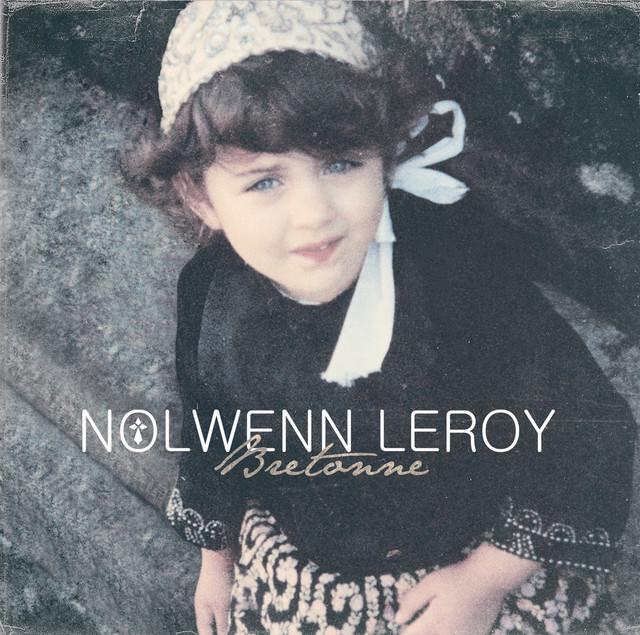
Nolwenn Leroy released the song on Bretonne, the album that drew heavily from Breton and Celtic traditions and became a major commercial success in France, as noted by Mercury France/Universal and French chart archives at Lescharts. Her broader artistic turn toward Breton repertoire was also widely covered by outlets such as France Info.
That context matters. They do not perform the song as a museum piece. They present it with forward motion, crisp rhythm, and a bright melodic drive. The arrangement uses folk-pop energy to make an old cautionary tale feel immediate.
Sound, Rhythm, and the Push of Tradition
The production credits tied to Bretonne include names such as Jon Kelly, Matt Johnson, Emre Ramazanoglu, and John Parricelli in the project’s expanded credits. In performance, the song is usually driven by percussion, strong pulse, and layered acoustic textures associated with Celtic-pop revival styles.
That sound changes how listeners receive the lyric. If read silently, the words are almost stark: departure, wild animals, consumed hay, coming winter. But when sung with bounce and repetition, the song becomes danceable. This contrast is crucial.
Interpretation: Nolwenn Leroy’s version suggests that folk culture often carries hard truths inside communal pleasure. People sing about danger not to sink into fear, but to remember together.
La jument de Michao
et son petit poulain
a mangé tout le foin
Those short lines capture the whole dramatic problem. The act seems small, almost ordinary, until the refrain about winter gives it weight.
Two Strong Ways to Read the Song
There are at least two useful readings:
- Literal reading: it is a farmyard warning song about using up winter feed.
- Symbolic reading: it is about human short-sightedness—taking comfort now and facing regret later.
Both readings work because folk songs often live in that overlap. They describe ordinary life while pointing beyond it.
The Lasting Pull of the Song
What makes this version memorable is its balance. It is warm but uneasy, simple but symbolic, communal yet mysterious. The meaning of La jument de Michao Nolwenn Leroy comes from that tension. They sing as if the village is alive with rhythm, but the lyric never lets listeners forget that time passes, stores run low, and winter always returns.
That is why the song still feels fresh. Its lesson is old, but never outdated.
Disclaimer: This interpretation combines documented context about the song’s traditional roots and Nolwenn Leroy’s recording history with informed reading of the lyrics. As with many folk songs, meanings can vary by listener and tradition.







