Why 'Carry On' Feels So Quietly Devastating
For listeners searching for the meaning of Carry On Norah Jones, the song’s power lies in how little it tries to force. It does not argue, beg, or explode. Instead, it sits with the end of something important and chooses dignity over drama.
"Carry On" - Norah Jones
Who said it best? Were you the one?
Let's just forget, leave it behind
Loading lyrics...
Unable to load lyrics
We're unable to display the lyrics at this time. Please try again later.
That restraint is what makes it hit so hard. Norah Jones turns a simple phrase into a meditation on acceptance, loss, and the strange calm that can arrive after emotional exhaustion.
A Gentle Song About Letting Go
At its core, “Carry On” is about reaching the point where words no longer fix anything. The opening idea suggests that everything has already been discussed, and yet clarity still feels incomplete. When the song asks who said it best
, it hints at a relationship where explanation has become useless.
From there, the message becomes simpler and deeper: leave the past where it is, and keep moving. The repeated command to carry on
is not cold. It sounds compassionate, almost protective, as if they are giving both people permission to stop fighting for a cleaner ending.
Interpretation: The song seems less interested in blame than in release. It recognizes that some endings stay unresolved, but life moves anyway.

Watch the official Carry On
music video
Who They Seem to Be Speaking To
The voice in the song sounds intimate, like someone speaking directly to a person they once knew closely. When they say speak to me
, the request is open but not desperate. There is still care there, but also a growing understanding that the other person may be headed somewhere they cannot follow.
That is why the line about final destiny
matters. It gives the song a larger emotional scale. This is not just about one argument or one missed chance. It suggests that each person has a separate path, and love cannot always prevent that split.
Interpretation: Listeners can hear this as a breakup song, but it may also fit grief, friendship loss, or any moment when two lives drift apart despite affection.
The Chorus Turns Sorrow Into Peace
The emotional center arrives in the image of moving into the quiet
. That phrase shifts the song away from conflict and toward stillness. Quiet, here, does not feel empty. It feels like the space after struggle, when the noise of trying finally fades.
The next thought is even more revealing: peace surrounds
. That is a surprising idea in a song about loss. Instead of saying healing comes after pain, the lyric suggests peace can exist right inside the uncertainty. They have not solved everything; they have simply stopped resisting what is already true.
This is why the chorus lands so strongly. It reframes the song from sadness alone into a softer kind of wisdom. Acceptance becomes its own emotional resolution.
The Key Images and What They Suggest
“Carry On” uses only a few images, but each one does real work. Together, they build the song’s quiet emotional world:
- Speech and silence: The early lines weigh whether talking still matters. Words feel tired, and silence begins to look more honest.
- Destiny: This suggests distance that cannot be negotiated away. Some partings feel chosen by life as much as by people.
- Quiet: The song treats stillness as a place of release, not punishment.
- Peace: This image transforms surrender into something healing rather than weak.
Because the imagery is so spare, listeners have room to bring their own experiences into it. That openness is one reason the song feels personal to so many people.
How Norah Jones's Sound Deepens the Meaning
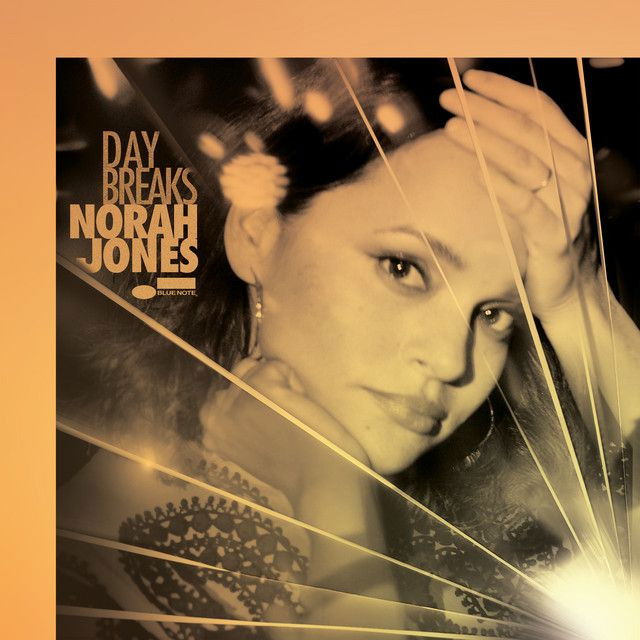
“Carry On” appeared on Day Breaks in 2016, an album widely described as a return to Jones’s piano-led approach after more stylistic wandering in earlier records. That context matters because the arrangement fits the song’s message almost perfectly.
The piano does not push the melody into melodrama. It moves with patience, leaving emotional space around the voice. The rhythm section stays subtle, and the production avoids big peaks. As a result, the performance feels conversational, almost private.
Jones’s singing is especially important here. They deliver the lines with soft control, avoiding obvious theatrical pain. That choice makes the emotion more believable. Instead of announcing heartbreak, the vocal tone suggests someone who has cried already and now speaks from the calmer side of it.
Interpretation: The understated production mirrors the lyric’s emotional lesson. Healing is not presented as a breakthrough moment. It sounds like a quiet decision made one breath at a time.
Artist Context Helps Explain the Song
Norah Jones has long been drawn to understatement. Across their catalog, they often favor close-mic intimacy, jazz and folk textures, and songs that reveal feeling through nuance instead of volume. “Carry On” fits that tradition well.
Because Jones wrote the song, it also carries the feel of a personal statement, even if listeners should be careful not to treat it as literal autobiography. What is factual is that the song opened Day Breaks, setting the emotional tone for a record centered on reflection and return.
That placement matters. As an opening track, “Carry On” feels like an invitation into a quieter emotional space—one where unresolved feelings are not denied, but gently set down.
The Lasting Meaning of "Carry On" by Norah Jones
The lasting meaning of Carry On Norah Jones is not just perseverance. It is graceful perseverance. The song argues, in a very soft voice, that closure is sometimes overrated. People do not always get final answers, perfect apologies, or clean emotional endings.
What they can get is acceptance. They can leave something behind without pretending it never mattered. They can feel loss and still find calm around it.
That is the beauty of “Carry On.” It turns emotional surrender into a form of strength.
Disclaimer: This interpretation is based on the song’s lyrics, sound, and publicly known context. As with most art, listeners may hear meanings that differ from the ones discussed here.








