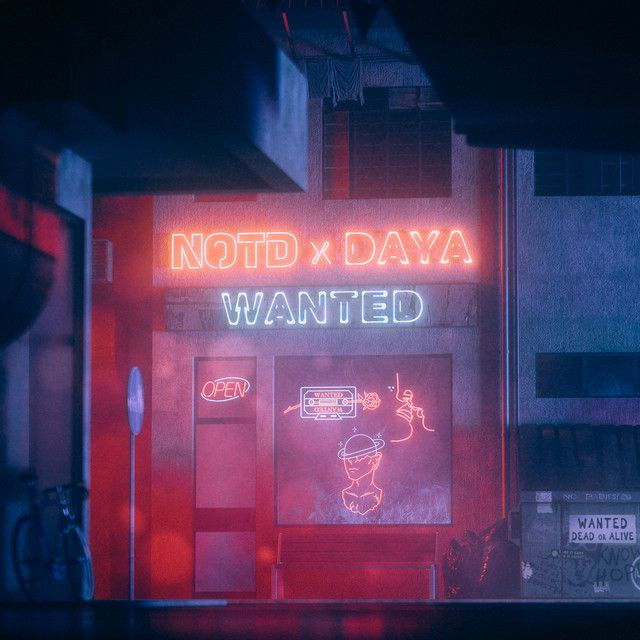
Wanted by NOTD, Daya
Why This Chase Feels So Addictive
The meaning of Wanted NOTD, Daya centers on a push-pull romance that feels thrilling, risky, and a little unhealthy. The song turns attraction into a manhunt metaphor, where being pursued is not only intense but flattering. Instead of describing a stable relationship, it shows two people stuck in a cycle of chasing, teasing, and giving in.
"Wanted" - NOTD, Daya
Dead or alive, every single night
I could let you, I would let you
Loading lyrics...
Unable to load lyrics
We're unable to display the lyrics at this time. Please try again later.
Factually, “Wanted” was released on September 27, 2019, by Swedish duo NOTD and American singer Daya, with NOTD credited as producers and the songwriters including Brittany Amaradio, Grace Tandon, Isaiah Tejada, Samuel Brandt, Magnus Tobias Mikael Danielsson, and Samuel Martin. Daya also said the song began as a piano-based write before NOTD reshaped it in production. That origin story helps explain why it feels both confessional and glossy.

Watch the official Wanted
music video
A Love Song Dressed Like a Crime Scene
The key idea in the lyrics is simple: attention can feel like power. The singer knows they are being chased and seems to enjoy that feeling. When the hook says chasing after me
, it is less about fear than validation. The pursuit proves they matter.
That is why the title matters so much. To be “wanted” usually means being sought after, but it also suggests being pursued by law. The song plays with both meanings at once. It borrows the danger of police language to make romance sound urgent and cinematic.
Interpretation: The song is not really about crime. It is about desire becoming so intense that it feels like a siren-lit emergency.
Who Has the Power Here?
In the verses, the speaker sounds confident, maybe even provocative. They suggest they could give in, but they also ask whether it is wrong to play with your mind
. That line reveals the emotional game underneath the flirtation.
The relationship seems mutual, but not balanced. One person is clearly chasing harder, yet the singer admits they are drawn in too. Later, the song says every time you're gone
, the craving comes back. So even while they act untouchable, they are not free of the cycle.
The Emotional Timeline
The song moves through a few clear beats:
- The singer notices the other person’s obsession.
- They tease that attention instead of rejecting it.
- The chorus turns pursuit into proof of desire.
- The second verse adds paranoia and lingering presence.
- By the end, both people seem emotionally tangled.
That structure keeps the story short and sharp. At just 2:40, the song wastes no time building its main idea.
The Chorus Turns Desire Into Validation
The chorus is the clearest window into the meaning of Wanted NOTD, Daya. When the song uses the phrase it makes me feel wanted
, it reveals the emotional engine of the whole track. The singer is not only being chased; they like what that chase says about their worth.
That makes the hook more complicated than a basic pop romance line. The song is not celebrating healthy love. It is confessing how easy it is to mistake obsession for care, or intensity for connection.
Call the cops
It makes me feel wanted
Those lines compress the whole theme into one image. The song takes an absurd, exaggerated scenario and turns it into a truth about modern desire: sometimes people would rather feel intensely desired than emotionally secure.
Red and Blue Lights, Nights, and Watching Eyes
The imagery is one of the song’s strongest tools. The mention of red and blue lights
gives the romance a flashing, public, high-pressure mood. Sirens usually signal danger, but here they also suggest excitement.
The line about feeling watched adds another layer. Even when the other person is absent, their presence still hangs over everything. That creates a mood of obsession rather than simple affection. This is not calm love; it is love that lingers like surveillance.
Interpretation: These images can represent anxiety as much as passion. The singer may enjoy being wanted, but they may also feel consumed by it.
How NOTD’s Production Sells the Idea
NOTD are known for sleek dance-pop production, and that style fits this song perfectly. According to available song data, “Wanted” runs at 96 BPM and is in F major. Those details matter because the track does not sound dark in a heavy way. Instead, it sounds bright, smooth, and seductive.
That contrast is important. The lyrics suggest emotional chaos, but the production keeps everything polished and catchy. Daya’s vocal sits in that sweet spot too: cool, airy, and controlled, even when the words hint at losing control. The result is a song that feels fun on the surface and messy underneath.
Daya said NOTD “entirely transformed” the original piano version and gave it “new life.” That comment matches what listeners hear. The song’s core emotion may have started intimate, but the final version turns private tension into a club-ready rush.
A Hit About Mutual Messiness
Commercially, the song found a place in the dance-pop world, including charting on Billboard’s Hot Dance/Electronic Songs chart. That reception makes sense. Its appeal comes from how clearly it captures a familiar feeling: wanting attention even when it complicates everything.
Interpretation: One reading sees the singer as empowered, enjoying their effect on someone else. Another sees them as trapped in a loop where both people hurt each other and call it passion. The song supports both views, which is part of why it sticks.
The Real Takeaway From “Wanted”
The meaning of Wanted NOTD, Daya is about the emotional rush of being pursued and the danger of confusing obsession with love. It uses police imagery, teasing lyrics, and polished dance-pop production to show how flattering attention can become addictive.
That is why the song still works. It sounds playful, but underneath, it asks a sharper question: when someone wants them badly, do they feel loved, or just temporarily important?
Disclaimer: This article offers an interpretation of the song based on its lyrics, credits, and release context. Song meaning can remain open, and listeners may hear it differently.








