Why “blood” Turns Love Into a Crime Scene
The meaning of blood nothing,nowhere., KennyHoopla, JUDGE comes down to one central idea: desire that feels so strong it starts to look destructive. The song does not present love as warm or safe. Instead, it sounds like a rush they know they should leave behind, but cannot.
"blood" - nothing,nowhere. ft. KennyHoopla, JUDGE
Sneaking in the backdoor
Don't want it but I can't stop
Loading lyrics...
Unable to load lyrics
We're unable to display the lyrics at this time. Please try again later.
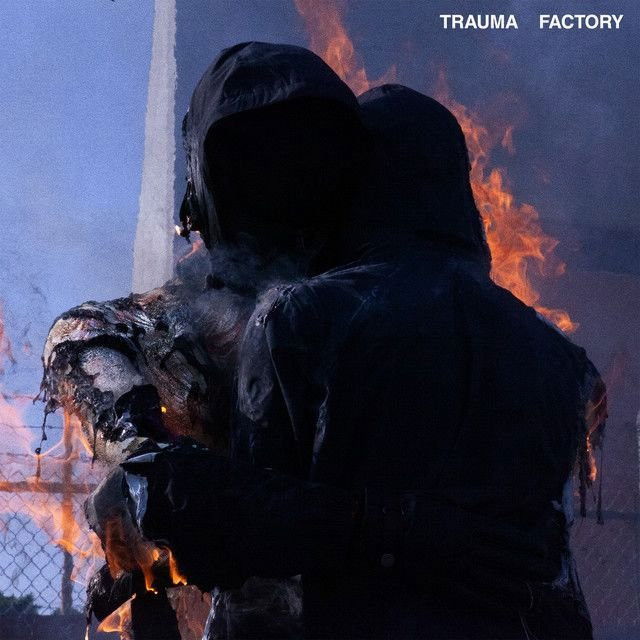
Released in October 2020 and later included in Trauma Factory in 2021, “blood” arrived during a period when nothing,nowhere. was pushing his emo-rap roots toward louder alternative rock textures. According to publicly available discography information, the song features KennyHoopla and is credited to Joseph Edward Mulherin, Kenneth La'ron, and Paul Judge. nothing,nowhere. is widely known for blending emo, rap, and rock styles, a mix documented in major career summaries and discographies.
A Hook About Knowing Better
At its core, the song is about being trapped in a bond they recognize as unhealthy. The clearest line of thought is in the repeated admission that they need to stop
but still cannot walk away. That is the emotional engine of the whole track.
The chorus sharpens that idea by comparing the other person to a substance: baby you're my drug
. That metaphor is simple on purpose. It tells listeners this is not just romance. It is dependency.
When the singer says they are stuck
, the feeling is not poetic distance. It is immediate and physical, like being caught in a cycle they can name but cannot break.
Watch the official blood
music video
The Violent Images Are Emotional, Not Just Visual
The song opens with a fast set of images: razors on the dashboard
, sneaking around, speeding through the city, and suddenly being seen. These details make the track feel like a late-night getaway scene, but they also work as symbols.
Interpretation: the razors suggest self-destruction, risk, or the threat of being cut by the very thing they keep returning to. The speeding and city-night setting create a mood of impulse over thought. Nothing feels stable.
The most important symbol is the title image: blood on my hands
. In everyday English, that phrase means guilt or responsibility. Here, it likely points to emotional fallout. They feel responsible for the damage in the relationship, but also unable to stop adding to it.
That is why the song feels darker than a standard breakup track. It is not just sadness. It is shame mixed with craving.
A Story of Compulsion in Motion
There is a loose narrative in “blood,” even though it is built more from flashes than from a full plot. The song moves like this:
- They enter a risky situation.
- They know it is spiraling.
- They are seen, exposed, or unable to hide.
- They confess they still cannot stop.
That mention of being on TV and wanting to be seen adds another layer. Interpretation: it may suggest public collapse, performative pain, or a need for attention when private suffering becomes too big to contain. It could also simply heighten the drama, turning a toxic romance into a cinematic scene.
Either way, the song links danger with visibility. Part of them wants out, but part of them wants the other person to witness the wreck.
The Second Verse Deepens the Damage
The later lines make the relationship feel even more unstable. The city at night, the fixed stare in the mirror, and the warning that this is not something they can just sleep off all point to a problem that has gone beyond a bad evening.
One of the strongest images is the reference to a Molotov. That turns love into something explosive. Instead of comfort, affection arrives like a weapon or a firebomb.
There is also a line about piercing skin to prove they are still there. Interpretation: this can be read as emotional numbness so deep that pain becomes proof of feeling. That idea fits nothing,nowhere.’s broader writing style, which often uses bodily images to talk about mental strain and isolation.
How the Sound Sells the Meaning
The production matters a lot to the meaning of “blood.” The instrumental feels tense and forward-moving, with a rock-driven pulse that supports the song’s panic. Rather than sounding dreamy or distant, it stays sharp and propulsive.
KennyHoopla’s presence helps here. His style often leans into pop-punk urgency, so the collaboration gives the song extra bite. JUDGE’s credit also matters because the track is built to hit quickly: hard drums, bright guitars, and a hook that loops like an intrusive thought.
That sound mirrors the lyric idea perfectly. The song does not drift through pain; it charges into it. The repetition in the chorus makes obsession feel mechanical, like the same dangerous thought replaying over and over.
Where It Fits in nothing,nowhere.’s Catalog
nothing,nowhere. has long moved between emo rap, alternative rock, and post-hardcore influence, and “blood” sits right at that crossroads. Career overviews note that he is an American singer, rapper, and multi-instrumentalist whose work often blends emotional confession with aggressive sound.
This track stands out because it compresses that style into a very direct song. There is little distance between feeling and expression. Even the imagery is blunt: blood, razors, speed, skin, fire. Everything is physical.
That directness is likely why the song connects. It captures a common emotional truth: sometimes people know something is bad for them and still run toward it.
The Best Way to Read “blood”
The best reading of the meaning of blood nothing,nowhere., KennyHoopla, JUDGE is that it turns toxic attachment into a crime-scene metaphor. Love becomes addiction, guilt, and spectacle all at once.
Interpretation: listeners can hear it as a song about romance, self-destruction, fame, or even mental health spirals. The lyrics leave room for all of those readings, which is part of the song’s power.
What stays constant is the conflict: they know the danger, they name the danger, and they still cannot stop.
Disclaimer: This interpretation is based on the song’s lyrics, sound, and available artist context. As with most songs, meaning can remain open to different listener readings.









