Why 'Critical Mass' Still Hits So Hard
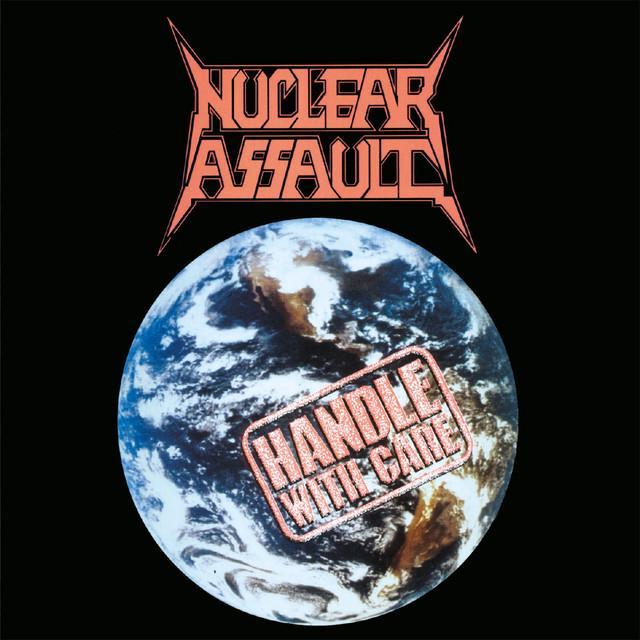
The meaning of Critical Mass Nuclear Assault starts with a blunt idea: humans are wrecking their own home. Released on Handle With Care in 1989, the song turns environmental fear into a thrash-metal warning. It is not subtle, and that is the point. Nuclear Assault aim for alarm, not comfort.
"Critical Mass" - Nuclear Assault
It seems like we don't give a damn
Other species flushed down the tubes
Loading lyrics...
Unable to load lyrics
We're unable to display the lyrics at this time. Please try again later.
According to Songfacts, the track was written by frontman John Connelly and bassist Dan Lilker, and its core message is a warning about environmental disaster before it becomes irreversible. That makes the song feel strikingly current, even decades later.
A Thrash Song About a Planet in Danger
At its core, the song argues that modern life is built on reckless damage. The lyrics pile up examples of pollution, deforestation, toxic dumping, and human indifference. Instead of focusing on one event, the band stacks crisis on top of crisis until the picture becomes overwhelming.
That is why repeated images like another oil spill
and another forest dies
matter so much. They are not presented as shocking exceptions. They are treated like routine headlines, which makes the song even darker. The real target is not only environmental destruction, but society’s habit of accepting it.
Interpretation: The song suggests that disaster is not just caused by a few villains. It comes from a whole culture that keeps choosing convenience, profit, and silence over survival.

Watch the official Critical Mass
music video
The Title Turns Science Into a Threat
The phrase “critical mass” has a scientific meaning. It refers to the amount of fissile material needed to sustain nuclear fission, as summarized by Wikipedia’s overview of the term. Nuclear Assault borrow that idea and apply it to the environment.
In the song, “critical mass” means a tipping point. Once enough damage is done, the process feeds itself and cannot be stopped. Songfacts explains the title in almost exactly that way: a point of no return for Earth’s destruction.
That choice of title is smart for two reasons:
- It sounds cold and technical, which fits the band’s metal style.
- It suggests chain reaction, where one disaster leads to another.
- It links environmental collapse to the language of nuclear danger.
So the title is not there just to sound heavy. It gives the whole song its structure.
Who Is Speaking in the Lyrics?
The voice of the song is not personal or intimate. It speaks more like a public accusation. Even when the lyrics use collective language, they do not let the listener hide. Phrases like we will destroy
and no one cares
spread responsibility across society.
That matters because the song is not about one bad actor. It is about a species acting against its own interests. The lyrics describe humans as both destroyers and future victims. First they poison the world around them, then they inherit the ruins.
Interpretation: This shared voice turns the song into a warning label for everyone. The band are not standing outside the problem. They place themselves inside it too.
How the Verses Build Their Case
The writing is simple, but it is carefully organized. The song moves in stages:
- It opens with the biosphere and humanity’s disregard for other life.
- It lists visible symptoms like spills, waste, and dying forests.
- It widens the view to greed, air pollution, and poisoned seas.
- It ends with near-apocalyptic damage, a world beyond repair.
That progression gives the song momentum. It starts with neglect and ends with extinction-level consequences. A phrase like giant tomb
condenses that final image into a few words.
There is also a moral argument underneath the environmental one. The song says the crisis is not accidental. It comes from greed, short-term thinking, and apathy. In other words, the planet is being harmed by values as much as by machines.
Why the Chorus Feels So Crushing
The recurring lines about spills, waste, and forests work like a chant of recurring catastrophe. Because they return again and again, they create the feeling that nothing is changing. The cycle keeps repeating.
That repetition is key to the meaning of Critical Mass Nuclear Assault. The chorus is not just a summary. It is proof of the problem. Every return sounds like another warning ignored.
The final sections intensify this by framing Earth as a human-made hell. When the lyric points toward a world beyond repair
, it leaves little room for optimism. The emotional effect is not sadness alone. It is frustration mixed with dread.
How the Sound Carries the Message
Nuclear Assault were a thrash band, but this song is notable for its heavier, more deliberate pace. Dan Lilker told Songfacts, It was just a real strong, heavy song
, adding that the band needed balance alongside faster material. That comment helps explain why the track hits differently from pure speed-thrash.
The riffing feels thick and stern rather than frantic. The drums push forward with force, but the groove leaves room for each warning to land. Connelly’s vocal delivery sounds like a barked indictment, which fits lyrics about public failure.
Interpretation: If the song were much faster, the message might blur into aggression. By keeping it heavy and mid-paced, the band make the threat feel slow, certain, and unavoidable.
Why It Still Feels Relevant
Part of the song’s power is that it now sounds less exaggerated than it may have in 1989. Its fears about pollution, ecological damage, and delayed action still connect with modern conversations about climate and environmental collapse. The track was early, but not wrong.
That is why listeners still search for the meaning of Critical Mass Nuclear Assault today. They hear not just an old thrash song, but a warning that never expired.
Final Take
“Critical Mass” is about humanity pushing nature toward irreversible collapse through greed and neglect. Its strongest move is turning environmental damage into a chain reaction: one that ends by consuming the people who started it.
That is an interpretation based on the lyrics, the title, and available band commentary. Like any song, it can carry more than one meaning for different listeners.








