
Why Oasis Asked the Hardest Question
Oasis built their name on swagger, big hooks, and songs that sounded ready for stadiums. But the meaning of Where Did It All Go Wrong? Oasis is much more private. Released on Standing on the Shoulder of Giants in 2000, the song turns away from confidence and looks straight at regret.
"Where Did It All Go Wrong?" - Oasis
You feel you're older than time
You ain't exactly sure
Loading lyrics...
Unable to load lyrics
We're unable to display the lyrics at this time. Please try again later.
It is not really a mystery song. It asks a plain, painful question: how did a person drift so far from what they wanted to be? That question lands because the lyrics do not blame one single event. Instead, they suggest a slow moral and emotional decline, shaped by bad choices, false friendships, and the weight of memory.
A Song About Regret, Not Just Heartbreak
At the center of the song is someone taking stock of their life and finding damage everywhere. The opening lines describe a person who feels worn out, almost spiritually exhausted, as if they are older than time
. That phrase is exaggerated on purpose. It captures the kind of fatigue that comes from disappointment, not age.
From there, the lyric sharpens. The song asks whether they keep the receipts
for bought friends, which is a cutting way to describe shallow relationships. The image suggests a world where loyalty has been traded like a product. That makes the song bigger than a breakup ballad. It is about social emptiness, self-deception, and the moment when someone realizes they have been pretending.
Interpretation: The title question is not aimed at one person alone. It sounds like a judgment turned inward and outward at the same time. They may be asking a friend, a former scene, or themselves.
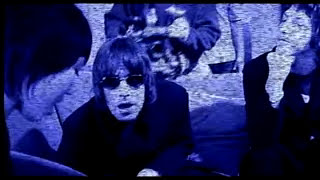
Watch the official Where Did It All Go Wrong?
music video
Noel Gallagher’s Context Matters
This song was written by Noel Gallagher and appeared on Oasis’s 2000 album Standing on the Shoulder of Giants. It is one of the album tracks sung by Noel rather than Liam. According to reported comments, Noel said Liam did not sing it because the melody moved too much for his voice.
That matters for meaning. Liam often brought aggression and cool distance. Noel brings something more bruised and reflective here. His voice is not flashy. It sounds tired, exposed, and human, which fits a song about facing consequences.
There is also useful background from a Q magazine comment reported by Songfacts: Noel later connected the lyrics to the prescription drugs he was taking at the time. He also said the song was about a circle of friends and was semi-autobiographical. Those details should not flatten the song into biography, but they do support the idea that it comes from lived confusion rather than pure fiction.
The Chorus Turns Regret Into Fate
The chorus is where the song becomes especially heavy. It says the pain won't let go
and stays with a person for life. That is stronger than a normal pop-song complaint. This is not a passing bad mood. It is a permanent stain on the self.
The key emotional twist is that the singer still seems to care about the person being addressed. Even while warning them, they say, in effect, that they hope grief does not destroy the future waiting outside. In other words, the song is harsh, but not heartless.
it won't let go
it's touch and go
Where did it all go wrong?
Those lines form the emotional engine of the track. The first phrase says the past clings on. The second says the present is unstable. The title question then opens onto the bigger tragedy: no one can find the exact moment things fell apart.
Images of Debt, Storms, and Isolation
One of the strongest ideas in the lyric is debt. The song speaks of having to repay dreams bought with lies. That is a vivid way to frame guilt. Dreams are usually hopeful, but here they have been financed dishonestly. So even ambition feels corrupted.
Then comes the image of being a castaway, alone under stormy skies
. That line turns inner trouble into weather and landscape. The person is no longer just sad. They are stranded, exposed, and cut off from others.
These motifs connect clearly:
- Receipts suggest transactional friendship
- Dream debt suggests lies catching up with someone
- Stormy skies suggest emotional punishment
- The outside world suggests a future that might still be saved
Together, they create a moral hangover. The song is less about one dramatic collapse than about living inside the aftermath.
Why the Sound Feels So Lonely
The production also helps explain the meaning of Where Did It All Go Wrong? Oasis. Produced by Noel Gallagher and Mark “Spike” Stent, the track avoids the giant, crashing style many listeners expect from the band. Instead, it leans into a softer, mid-tempo arrangement with space around the vocal.
That restraint matters. The guitars feel supportive rather than triumphant, and the rhythm section keeps the song moving without forcing it forward. The result is a worn, suspended feeling, as if the track itself is stuck in thought. Noel’s lead vocal sits close to the listener, making the regret feel personal.
This was a transitional period for Oasis, and the album often sounds less certain than their earlier work. In that setting, this song stands out because its uncertainty becomes the point.
A Quietly Devastating Oasis Song
Part of the song’s power is that it never offers an easy fix. It does not promise redemption, revenge, or clarity. It simply stays with the question. That is why many listeners hear it as one of Noel Gallagher’s most emotionally direct songs.
Interpretation: The song can be heard in two ways at once. It is a warning to someone lost in hollow living, and it is a confession from someone who recognizes those habits in themselves.
That double meaning is what gives the track its staying power. It sounds personal, but it remains broad enough for listeners to pour in their own history.
Final Take on the Song’s Meaning
The meaning of Where Did It All Go Wrong? Oasis comes down to regret with no clean starting point. It is about false friends, compromised dreams, and the awful moment when a person realizes their sadness did not arrive overnight. It built slowly, choice by choice.
Oasis turned that realization into a gentle but devastating song. Instead of shouting through the pain, they let it echo.
Disclaimer: This interpretation combines lyrical analysis with documented artist context. Like most songs, it can support more than one reading.








