Why “Time’s Up” by O.C. Still Feels Like a Warning
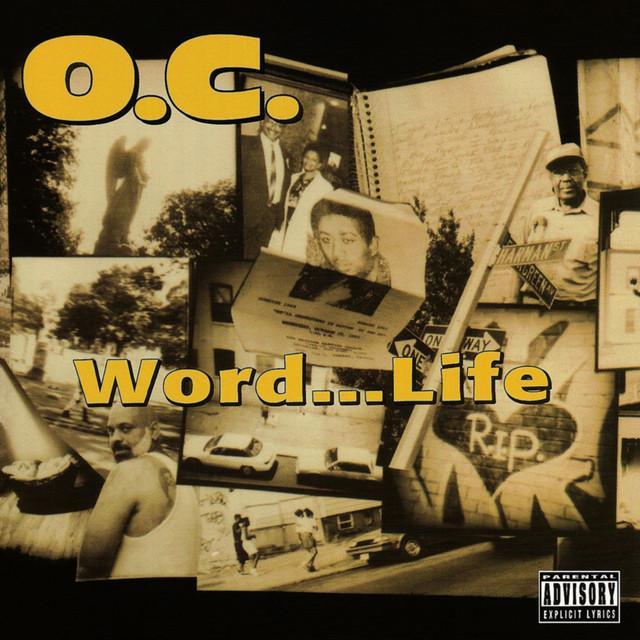
The meaning of Time's Up O.C. starts with a challenge: be real, or get exposed. Released in 1994 as O.C.’s debut single from Word...Life, the track became one of the sharpest statements of rap authenticity in the boom-bap era. Factually, it was released on July 19, 1994, written by Omar Credle and Anthony Best, and produced by Buckwild, according to available song credits and release history.
"Time's Up" - O.C.
Time's up
Time's up
Loading lyrics...
Unable to load lyrics
We're unable to display the lyrics at this time. Please try again later.
What makes the song last is not just the attack. It is the standard behind the attack. O.C. is not simply insulting weaker rappers. They are arguing that hip-hop loses something important when artists fake street stories, chase trends, and flatten the music into empty talk about guns, sex, and status.
A Diss Track With a Bigger Target
On the surface, “Time’s Up” sounds like a warning shot to other MCs. O.C. opens with force and never really lets up. Short phrases like time's up
and rappers sit back
frame the song as a takeover. They present themself as someone stepping in to judge the field.
But the real target is larger than one rival. The verses go after a whole type of rapper: performers who build fake identities for sales. O.C. mocks people who talk tough but never lived what they describe. They also point out how often commercial rap borrows style without honesty.
Interpretation: the song is less about personal revenge than cultural cleanup. O.C. sounds like they believe the genre is being crowded by actors, not authors.
Watch the official Time's Up
music video
What O.C. Is Saying About Authenticity
The clearest idea in the song is that truth matters more than image. O.C. argues that too many rappers invent criminal personas because they think that is what sells. He rejects that pressure directly, even saying they would rather be poor than lose self-respect.
That line is central to the meaning of Time's Up O.C. It turns the song from a lyrical beatdown into a moral statement. In other words, the issue is not just weak rhyming. It is dishonesty.
They make that point in two ways:
- They expose fake biographies.
- They defend lyrical skill and personal integrity.
- They criticize shallow trends in rap content.
When O.C. says artists only write what they imagined instead of what they knew, the song becomes a test of credibility. The repeated hook reinforces that test: those pretending to be original or hard only have a limited run.
Their time's limitedHardrocks' too
That brief refrain works because it sounds like a final verdict. It is catchy, but also cold.
The Second Verse Is the Song’s Core
If the first verse establishes authority, the second verse sharpens the argument. O.C. starts naming behaviors that bother them: copied styles, fake violence, and the lazy recycling of commercial topics. A phrase like Most write about stuff
introduces that complaint before they explain that many rappers are selling fantasy as fact.
Then the song gets more specific. O.C. describes the fake rapper as someone whose whole identity is performance, almost like a student who never stopped acting. The insult about an aura being plexi-glass
is especially effective. It suggests something that looks solid from a distance but is really transparent and fragile.
This verse matters because it moves beyond bragging. It gives reasons. O.C. is not only saying, “I rap better.” They are saying, “I know the difference between expression and costume.”
According to a 2012 interview with HipHopDX, O.C. called this second verse the proudest verse of his career. That makes sense. It condenses their values into one of the most quoted anti-fake moments in 1990s rap.
Buckwild’s Production Turns the Message Into Pressure
Buckwild’s beat is a huge part of why the message lands. The production is built around a moody sample from Les DeMerle’s cover of “A Day in the Life,” with additional use of Slick Rick in the chorus. The result is tense and stripped down: droning bass, crisp snares, tight hi-hats, and piano touches that feel ghostly rather than warm.
That sound matters. It gives O.C. a stage that feels serious and unforgiving. There is no lush melody softening the critique. The beat hangs behind them like a storm cloud, making each accusation feel heavier.
Interpretation: the production mirrors the theme of exposure. Everything in the instrumental sounds bare-bones and skeletal, as if the song is stripping fake rappers down to what they really are.
There is also an interesting bit of history here. Reports note that the loop was originally intended for Pharoahe Monch before O.C. ended up writing over it. However it arrived, the final pairing sounds perfect: Buckwild provides menace, and O.C. provides the judgment.
Why the Song Hit So Hard in 1994
“Time’s Up” arrived during a moment when hip-hop was expanding quickly and fighting over identity at the same time. That made O.C.’s stance feel timely. Critics noticed. The Source praised the song as a wake-up call, and later writers have treated it as a benchmark for lyric-driven honesty.
The track also had reach beyond rap purists. It charted on Billboard’s Hot Dance Music/Maxi-Singles Sales chart, peaking at No. 34, and its instrumental later appeared in 8 Mile. Those details matter because they show how a strict, underground-minded record still traveled widely.
What listeners heard then, and still hear now, is conviction. O.C. is not confused about what they stand for. They are defending a version of hip-hop where craft, truth, and originality belong together.
The Lasting Meaning of “Time’s Up”
In the end, the meaning of Time's Up O.C. is about more than calling out frauds. It is about protecting standards. O.C. presents rap as something that should come from lived experience, careful writing, and respect for the art form.
That is why the song still feels alive. Every era produces new versions of hype, imitation, and image-first storytelling. “Time’s Up” keeps speaking because its warning is bigger than 1994.
Interpretation: they are telling artists that success without truth has an expiration date.
Disclaimer: This article offers an interpretation of the song based on the lyrics, credits, and documented context. Meaning can vary from listener to listener.








