Why 'The Riverboat Song' Feels So Uneasy
The meaning of The Riverboat Song Ocean Colour Scene starts with tension. Even before the lyrics settle into a clear story, the song creates a world of blurred vision, danger, and unease. They do not present a simple plot. Instead, they build a mood where perception feels damaged and truth feels slippery.
"The Riverboat Song" - Ocean Colour Scene
Where the riverboat swayed beneath the sun
Is where the river runs red
Loading lyrics...
Unable to load lyrics
We're unable to display the lyrics at this time. Please try again later.
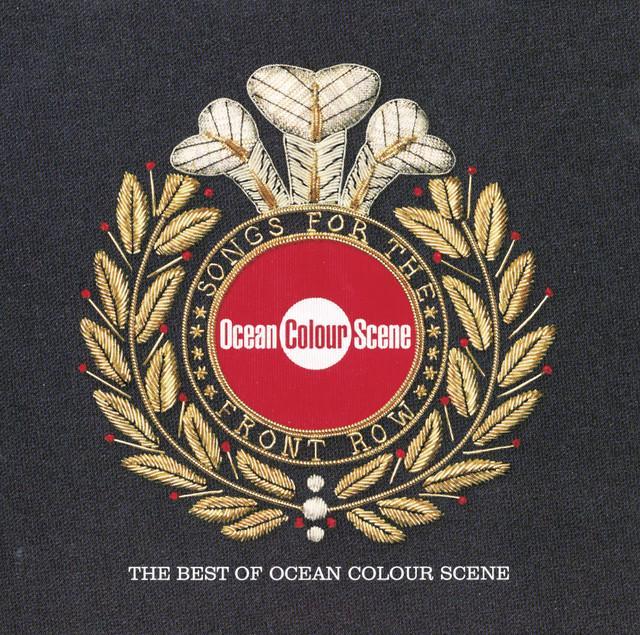
Released in 1996 as the lead single from Moseley Shoals, the track became a key breakthrough for Ocean Colour Scene, reaching No. 15 on the UK Singles Chart and helping launch the album’s success. It was produced by Brendan Lynch and the band, with Paul Weller contributing organ, according to widely cited release credits and chart summaries.
A River That Signals Trouble
At the broadest level, the song sounds like a warning. The opening image of I see double
suggests confusion right away. They seem to be describing a state where what they see cannot be trusted, and where that unstable vision shapes everything else in the song.
The central symbol is the river. Rivers usually imply movement, life, or cleansing. Here, the song twists that idea. It asks why the river does not flow, why it runs red
, and when it might run green
. Those shifts in color and motion suggest a moral and emotional landscape gone wrong.
Interpretation: many listeners hear the river as a sign of inner life. If it stops flowing, something in the speaker’s world is blocked. If it turns red, that blockage has become anger, violence, guilt, or corruption.
Watch the official The Riverboat Song
music video
Words, Lies, and Emotional Static
Another key part of the song is its focus on speech. The repeated line about things being more or less the same
as what was said makes language feel weak and unreliable. They seem to be confronting someone whose words do not help, explain, or heal.
That idea gets sharper when the song turns from what was said to what was left unsaid. In other words, the real problem may not just be dishonesty. It may be avoidance. The gap between speech and truth becomes the source of the song’s pressure.
The relationship angle
The line about love connects that pressure to intimacy. The song suggests that what they found in love can still damage the soul. That is a vivid way of saying affection has become toxic, or at least unstable.
Interpretation: this makes a strong case that the track is partly about betrayal or mistrust in a relationship. Not necessarily in a literal storytelling way, but in the emotional sense of feeling misled by someone close.
The Strange Power of Its Images
The lyrics are memorable because they do not explain themselves too neatly. Instead, they throw out dreamlike pictures: a king, a dove, an eagle, a riverboat, and doubled vision. The images feel symbolic rather than literal.
The king figure seems especially important. He acts with power, but that power feels reckless. The song presents authority as violent, careless, and divided. That makes the king less like a character in a story and more like a symbol of damaged control.
tell me why does the river not flow
tell me why does the river run red
These questions give the song its center. They are not really requests for factual answers. They are cries of frustration. They show someone trying to make sense of a reality that no longer behaves the way it should.
How the Sound Carries the Meaning
The music matters as much as the words. The song’s famous riff is thick, repetitive, and forceful. It keeps pushing forward, but the groove also feels heavy, which matches a lyric built around blockage and trouble.
The track is also notable for being in 6/4 time, which gives it a swinging, slightly off-balance motion. That pulse helps explain why the song feels both catchy and uneasy. They are not floating on a smooth beat. They are moving through a lurching rhythm that sounds like instability itself.
Simon Fowler’s vocal delivery adds to that feeling. He sounds urgent but not melodramatic. The performance stays grounded, which makes the surreal lyrics feel more human.
Why It Hit So Hard in the 1990s
Part of the song’s impact came from exposure. It was heavily championed by BBC Radio 1 DJ Chris Evans and used on TFI Friday, helping it break into the mainstream in the UK. That visibility helped turn a strange, muscular rock single into a signature song for the band.
It also fit the era well. While Britpop often leaned bright, witty, or nostalgic, this track had grit. Its groove nods to classic rock, and critics have often noted its resemblance to Led Zeppelin’s heaviness, even as Ocean Colour Scene turned that influence into something more compact and radio-ready.
The Best Way to Read the Song
The strongest reading is that the song captures a mind under pressure. They see trouble ahead, cannot fully trust language, and keep returning to a river that should bring life but instead reflects damage. That gives the track a haunted quality.
A second reading is social rather than personal. Interpretation: the red and green river could suggest a world out of balance, where power harms rather than protects. The song does not lock itself to one meaning, which is part of its appeal.
Final Thought on the Meaning
The meaning of The Riverboat Song Ocean Colour Scene lies in its mix of mystery and force. It sounds like confusion made physical: blurred sight, broken trust, and a world where even the river has turned wrong.
That is why the song lasts. They never explain everything, but they make the feeling unmistakable.
Disclaimer: This interpretation is based on the lyrics, recording context, and public release history. Like many rock songs, it remains open to more than one valid reading.








