
Bloom by Of Mice & Men
Why This Song Hurts So Deep
The meaning of Bloom Of Mice & Men centers on a hard truth: real life is beautiful because it ends. The song frames love, grief, and mortality through images of flowers, roots, fruit, and decay. Instead of offering comfort, they lean into the pain of losing someone and the anger that can come with that loss.
"Bloom" - Of Mice & Men
Destined to deteriorate
No beauty in plastic flowers
Loading lyrics...
Unable to load lyrics
We're unable to display the lyrics at this time. Please try again later.
At its core, the track argues that anything truly alive must also be fragile. That is why the hook contrasts natural growth with artificial substitutes. When they sing born to bloom
and then move toward deterioration, they turn a simple flower image into a statement about the whole human condition.
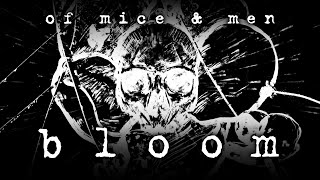
Watch the official Bloom
music video
The Chorus Says Life Cannot Be Faked
The chorus is the song’s clearest message. It rejects the idea that imitation can replace real living. Phrases like plastic flowers
and fake bouquets
suggest something that looks beautiful from a distance but has no life, scent, nourishment, or change.
That idea matters because grief often creates a wish for a safer version of love, one without risk or ending. The song pushes back on that fantasy. Their point is that there is no sweetness, growth, or meaning in something artificial. If love is real, it can break the heart.
We were born to bloom
But we were never meant to stay
That short passage captures the emotional thesis. People are meant to flourish, but not forever. The chorus does not sound cynical. It sounds devastated, yet honest.
Roots, Family, and the Fear of Being Cut Off
One of the song’s strongest verses shifts from flowers to family imagery. The line about apples and trees brings up inheritance, while the question about being severed from the roots
points to disconnection. In plain terms, the speaker sounds like someone asking how a person is supposed to heal after losing the bond that helped them grow.
Interpretation: this may be about the death of a loved one, but it can also suggest family rupture, emotional abandonment, or generational trauma. The reference to roots broadens the song beyond one event. It becomes about what happens when the source of identity, support, or love is suddenly gone.
That is also why the song’s questions feel so sharp. They are not calm reflections. They sound like someone trapped between belief and despair, trying to make old sayings about love and strength fit a reality that no longer makes sense.
Grief Turns Love Into Anger
The middle of the song deepens the emotional conflict. It asks what happens when love decays into rage, and when a garden cannot be watered because life itself has become a drought. Those images show grief as more than sadness. It is exhaustion, bitterness, hunger, and spiritual emptiness.
This is where the song becomes especially effective. Many grief songs focus only on missing someone. “Bloom” also deals with the ugly emotions people often feel but do not want to admit. The speaker sounds angry at platitudes, angry at heaven, and maybe angry at themselves.
That emotional honesty gives the track its power. The repeated idea that love is watching the petals fall
reframes love as witness, not rescue. In other words, love does not always prevent loss. Sometimes it means staying present while something precious fades.
How the Sound Carries the Meaning
Of Mice & Men are known for blending metalcore heaviness with melodic, emotionally direct choruses, as reflected across their official band history and releases on their official site and label materials from SharpTone Records. That style fits “Bloom” perfectly.
The likely effect of the arrangement is contrast. Heavy guitars and pounding drums give the grief weight and force. Melodic sections make the pain feel human and exposed rather than distant. Aaron Pauley’s vocal approach often moves between control and strain, which suits lyrics that balance reflection with raw outcry.
Interpretation: the production mirrors the message of the words. The polished parts suggest beauty; the crushing parts suggest decay. Together, they create the same tension found in the central image of a flower that is lovely precisely because it will not last.
Songwriting Details That Matter
According to the credits provided, the song was written by Aaron Pauley, Alan Ashby, Philip Manansala, and David Valentino Arteaga. That full-band writing approach makes sense because the song feels built around a shared thesis rather than a loose stream of feelings.
The wording is also strikingly economical. The chorus repeats key images instead of constantly introducing new ones. That repetition makes the message feel ritual-like, almost like they are trying to accept a truth they still hate.
A Wider Meaning Beyond One Loss
There is a personal grief reading, and it is the strongest one. But the song also opens into something larger. The mention of ancestral pain suggests that sorrow may be inherited, not just experienced in the present.
Interpretation: that means “Bloom” can be heard as a song about how humans pass down both love and wound. They inherit roots, strength, and beauty, but also damage, fear, and the certainty of death. In that reading, blooming is not innocence. It is courage.
The Final Take on “Bloom”
The meaning of Bloom Of Mice & Men is that love and loss are inseparable parts of being alive. The song rejects fake comfort and chooses a harsher but more meaningful truth: real beauty is temporary, and real love hurts because it is real.
That is why the song lingers. It does not promise healing in neat steps. It simply says that to live fully is to bloom, and to bloom is to know that petals will fall.
Disclaimer: This interpretation is based on the lyrics, credited writers, and publicly available artist context. As with any song, listeners may hear meanings that differ from this reading.









