
The Mountain by Of Mice & Men
The meaning of The Mountain Of Mice & Men centers on emotional self-protection. In this song, they frame empathy not as a soft virtue, but as a force so intense it can crush the person who feels it. The image of the mountain becomes a place of safety, distance, and damage all at once.
"The Mountain" - Of Mice & Men
And placed it inside the mountain
Because I can't stand to think
Loading lyrics...
Unable to load lyrics
We're unable to display the lyrics at this time. Please try again later.
Rather than tell a simple story, the track builds a state of mind. The speaker seems exhausted by pain in the world and by their own inability to stop absorbing it. That is why the song feels both personal and larger than life: it turns inner distress into a giant physical symbol.
A Fortress Built From Feeling Too Much
At the start, the song presents a dramatic act of withdrawal. The speaker places their heart inside the mountain, suggesting they are hiding the most vulnerable part of themselves. This is not peace in any easy sense. It is closer to emotional quarantine.
The reason matters. The lyric about roots failing when the branch breaks points to a loss of trust in stability. Things that should protect a person—family, faith, resilience, love—do not always hold. So the mountain becomes a backup plan, a private fortress when ordinary support systems collapse.
Interpretation: the mountain symbolizes the emotional walls people build after repeated hurt. It protects them, but it also isolates them.
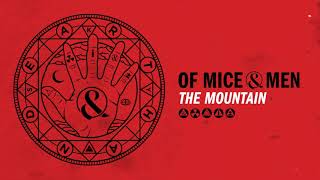
Watch the official The Mountain
music video
Why the World Feels So Hostile Here
The song then widens from private pain to social decay. The speaker watches the world wear down under wind, fire, and rain, then fills the mind with images of plague, pestilence, and endings. This language makes suffering feel constant and unavoidable.
That is where the song’s key phrase arrives: the curse of empathy
. In plain terms, they suggest that caring deeply can start to feel like an illness when every tragedy gets inside the body and mind. The line the same disease
pushes the idea further. The speaker is not alone; they see another person, or maybe many people, sharing the same emotional burden.
This turns empathy into a kind of contagion. Not because compassion is bad, but because pain spreads through connection. One person drowns, and another feels themselves sinking too.
The Chorus Turns the Mountain Into a Religion
The chorus gives the mountain almost sacred status. Calling it cold and callous
shows that this place is not warm or nurturing. Yet it is also described as altar and antidote
, which means it functions like both worship and medicine.
That contradiction is the heart of the song. The mountain saves the speaker from total collapse, but it does so by hardening them. It becomes a ritual of survival: praise the thing that numbs you, because numbness feels safer than pain.
Interpretation: this could describe emotional detachment itself. People may know their isolation is unhealthy, but still treat it like the only cure that works.
A Voice Caught Between Strength and Damage
One of the song’s most revealing moments is the question about becoming a monolith, stuck between being noble and being ugly. That image shows a person wondering whether their defense mechanism has turned them into stone.
They also admit they cannot find peace in emptiness. That matters because it stops the song from glorifying shutdown. Even inside the mountain, the drums of war still pound in the chest. In other words, retreat does not erase conflict; it only relocates it.
The final refusal to come down confirms that the speaker is choosing isolation despite knowing the cost. The mountain is no perfect healing space. It is simply the place where they can keep functioning.
How the Sound Makes the Meaning Hit Harder
Of Mice & Men are known for mixing metalcore heaviness with melodic hooks, and that style fits this song’s ideas well. The music’s likely impact comes from contrast: dense guitars and pounding drums create pressure, while the repeated chorus gives the mountain a huge, almost ceremonial scale.
That sonic weight supports the lyrics. When the song speaks of inner war, the instrumentation makes that war feel physical. The rhythm section acts like a heartbeat under stress, and the vocal delivery likely shifts between force and melody to mirror both anger and vulnerability.
Because Aaron Pauley wrote the song, the lyric voice also feels focused and cohesive. His writing often leans on large symbols instead of plain confession, and that approach helps this track turn burnout into something mythic rather than merely diary-like.
More Than One Way to Read the Song
There are at least two strong readings of the meaning of The Mountain Of Mice & Men:
- Emotional burnout reading: the song is about compassion fatigue, where caring too much leaves a person drained and defensive.
- Mental health reading: the mountain represents depression, anxiety, or dissociation—a place that feels safer than exposure to the world.
Both fit the lyrics. The disease language suggests shared suffering, while the fortress imagery suggests self-imposed separation. Neither reading cancels out the other.
Why the Song Sticks
What makes "The Mountain" memorable is its honesty about a difficult truth: empathy can hurt. Many songs praise sensitivity, but this one asks what happens when sensitivity becomes unbearable. That tension gives the track its emotional power.
In the end, they seem less interested in solving the problem than naming it. The mountain is shelter, prison, and treatment at the same time. That complexity is exactly why the song resonates.
Disclaimer: This article offers interpretation based on the lyrics provided and general artist context. Song meanings can remain open, and listeners may reasonably hear something different.








