
Mountain Sound by Of Monsters and Men
Why This Song Still Runs So Fast
The meaning of Mountain Sound Of Monsters and Men starts with movement. The song sounds joyous and wide-open, but its story begins in guilt. The narrator hears a call, grabs their things, and runs from trouble they admit they caused. That mix matters: this is not just a freedom song. It is a song about escape, consequences, and the hope of finding a new place to belong.
"Mountain Sound" - Of Monsters and Men
So I packed my things and ran
Far away from all the trouble
Loading lyrics...
Unable to load lyrics
We're unable to display the lyrics at this time. Please try again later.
Of Monsters and Men released “Mountain Sound” as a single from the international version of My Head Is an Animal in 2012. It was written by Arnar Rósenkranz Hilmarsson, Nanna Bryndís Hilmarsdóttir, and Ragnar Þórhallsson, and produced by Jacquire King, according to available release data. It also became a major alternative hit in the United States, with strong chart life and later a Platinum certification. Those facts help explain why the song feels so durable: it pairs a simple singalong hook with a deeper emotional chase.
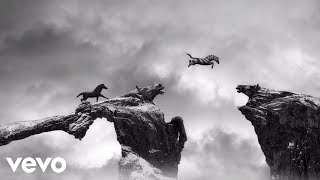
Watch the official Mountain Sound
music video
A Story of Running From What They Did
The opening verse frames the song as a flight from self-made chaos. The narrator is not an innocent wanderer. They leave because they have created damage “with my two hands,” which gives the song moral weight. Even before the chorus arrives, the track suggests that freedom comes with a cost.
That is why the repeated image of running through the woods feels bigger than scenery. When they sing Through the woods, we ran
, the line works like a snapshot of panic and release at the same time. The woods are not a clear destination. They are a passageway out of the old life.
From solitude to a rough new community
One of the song’s smartest turns comes in the second verse. At first, the narrator seems isolated, traveling with little more than a shadow. But then they notice the people around them. Some carry visible hurt, with scars and scratches, and that detail changes the song.
Instead of a lone escape, it becomes a gathering of outsiders. The line nothing like the rest
suggests they have found others who do not fit ordinary expectations either. The song’s emotional center is not perfection. It is damaged people recognizing one another.
What the Chorus Adds to the Meaning
The chorus is catchy enough to feel almost playful, but the words are more complicated than the melody suggests. Hold your horses now
is a phrase about slowing down or controlling impulse. Yet the song keeps rushing forward. That contrast creates tension between restraint and instinct.
Then comes we sleep until the sun goes down
. In plain terms, they are living outside normal daytime order. Interpretation: this can suggest hiding, survival, or choosing a different rhythm from the rest of society. Either way, the chorus makes the group sound both hunted and liberated.
Hold your horses now
Through the woods, we ran
Those two short lines capture the whole song: caution on one side, momentum on the other.
The Symbols Behind the Landscape
“Mountain Sound” uses natural imagery in a way Of Monsters and Men often do. The mountains, woods, distance, and shadows all feel physical, but they also work as emotional symbols.
Woods, mountains, and shadow
The woods suggest uncertainty. People enter forests when they do not have a straight road. The mountain image feels different: broader, older, and more permanent. The title phrase deep into the mountain sound
can be heard as a place of refuge, but also as a force bigger than the people running toward it.
The shadow image adds another layer. A shadow can mean memory, guilt, or the last trace of identity carried out of a broken past. So while the chorus sounds triumphant, the verses keep the emotional weather unsettled.
How the Sound Carries the Story
A big reason the song works is its arrangement. The track blends indie folk drive with pop lift: pounding rhythm, bright acoustic textures, gang-style energy, and shared vocals from Nanna and Ragnar. Reported composition details also note a brisk cut-time feel and a key of E major, both of which help create that charging, open-road sensation.
Critics often highlighted that physical momentum. Reviews described it as catchy and “upbeat” and praised the vocal pairing. That response makes sense. The production turns a story about guilt and exile into something communal and almost celebratory.
This is important to the meaning of Mountain Sound Of Monsters and Men. The music does not erase the darkness in the words. It reframes it. The band make running sound alive, which mirrors how people often experience change: scary in content, thrilling in motion.
Two Strong Interpretations
There is more than one reasonable way to hear the song.
Interpretation 1: A guilt-and-redemption journey
In this reading, the narrator flees after causing harm and joins others who are wounded too. The song becomes about trying to outpace shame while hoping a new community can offer forgiveness.
Interpretation 2: An outsider anthem
Another reading hears the song less as confession and more as belonging. The damaged group are different from the mainstream, and the night-running chorus sounds like a chosen way of life. In that version, the song celebrates people who live beyond the usual rules.
Both interpretations are supported by the lyrics, and the song’s power comes from holding them together.
Why It Still Connects
“Mountain Sound” lasts because it balances opposites so well: guilt and joy, fear and freedom, solitude and fellowship. It gives listeners a running song with real emotional stakes. They can sing along to it in a car, at a festival, or in a rough season of life, and it still feels honest.
For many listeners, that is the core meaning: sometimes people do not find themselves by standing still. Sometimes they find themselves in motion, among others who carry their own marks, heading toward a place they cannot fully name yet.
Disclaimer: This article offers interpretation based on the lyrics, recorded performance, and documented release context. Song meaning can remain open, and different listeners may hear it differently.








