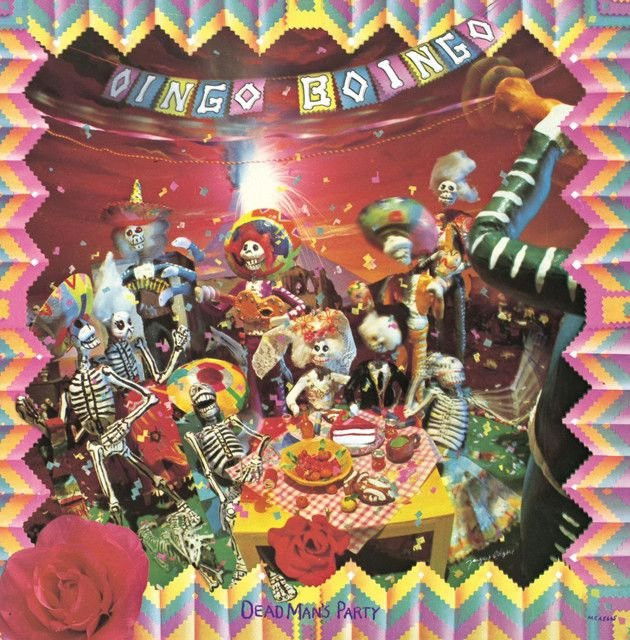
Why 'Dead Man's Party' Still Dances With Death
The meaning of Dead Man's Party Oingo Boingo starts with a clever contradiction: this is a song about death that feels made for a dance floor. Oingo Boingo released it on their 1985 album Dead Man's Party, and it later appeared in Back to School, helping cement its cult status in American pop culture. Factually, the song was written by Danny Elfman and credited to producers Danny Elfman, Steve Bartek, and Oingo Boingo.
"Dead Man's Party" - Oingo Boingo
Walkin' with a dead man over my shoulder
I'm all dressed up with nowhere to go
Loading lyrics...
Unable to load lyrics
We're unable to display the lyrics at this time. Please try again later.
What makes it last is not just the Halloween vibe. It is the way the song turns fear into theater. They present death as an invitation, a costume party, and a parade all at once.
A Funeral Disguised as a Party
The clearest reading is that the narrator is either dead, dying, or being pulled toward death. Early on, the song introduces someone all dressed up
yet with nowhere meaningful to go. That sounds less like a normal night out and more like funeral clothing.
Then the song adds the image of a dead man
over the shoulder. Paraphrased, the speaker is carrying death with them, or death is already attached to their identity. Soon after, they wait for an invitation to a gathering where no one is alive, which turns the title into a joke with real stakes.
Interpretation: the “party” is a funeral, wake, or trip into the afterlife. The song keeps that idea playful, but the imagery is steady and specific.
Watch the official Dead Man's Party
music video
The Lyrics Build a Mini Ghost Story
The verses work like a short horror tale. First, the narrator is dressed formally and seems disconnected from ordinary life. Then the song hints at a strange event: they were hit by something, possibly in sleep, possibly in the street. The details stay vague, which makes the scene feel dreamlike.
The chorus then reframes everything. When the song says leave your body at the door
, it is not just being spooky for fun. It suggests crossing a boundary where the body no longer matters. That line turns a party rule into a death rule.
One of the most revealing images comes later:
shiny silver dollaron either eye
chauffeur coming to the door
room for maybe just one more
Paraphrased, these lines point to burial customs and ghost folklore. Song interpreters have long linked the coins on the eyes to funeral practice or mythic passage into the afterlife, while the final line echoes E. F. Benson's 1906 story "The Bus-Conductor," a famous source for the ominous phrase “room for one more.”
Why the Horror Feels Funny, Not Heavy
Danny Elfman has always balanced the macabre with cartoon energy, and this song shows that style in full. Oingo Boingo were known for mixing new wave, rock, ska, and sharp horn arrangements, and "Dead Man's Party" is one of their best examples of that blend. The recording features a full band lineup with saxophones, trumpet, guitar, bass, keyboards, and a tight rhythm section.
That matters for meaning. The horns sound festive. The groove is springy and restless. The beat keeps pushing forward like a parade, not a lament. So even when the lyrics talk about invisible things and crossing over, the music refuses to sink into dread.
Interpretation: the arrangement makes death feel social rather than private. Instead of a lonely end, the song imagines mortality as a bizarre communal ritual.
A Voice Caught Between Fear and Acceptance
Another key to the meaning of Dead Man's Party Oingo Boingo is the repeated reassurance that it is only me
. On the surface, that sounds gentle. But in context, it is eerie, because the speaker may no longer be fully living.
The same goes for the warning not to fear what cannot be seen. The song does not describe a monster attacking from outside. It suggests that the scary thing is already close, familiar, maybe even the self.
That is why the first-person narration matters so much. They do not describe death from a distance. They speak from inside the experience. The song becomes less about witnessing a funeral and more about realizing they are part of it.
Symbols That Carry the Song
A few recurring motifs hold the song together:
- Clothing: formal dress suggests ritual, burial, and social performance.
- Invitation: death is framed as an event one is summoned to attend.
- Coins and chauffeur: these images connect the song to old death customs and urban legends.
- Party language: celebration becomes a mask for fear.
Together, these symbols make the song theatrical instead of realistic. It is not trying to explain death literally. It stages death as a surreal event people can dance through.
The Bigger Appeal of the Song
Part of the song's popularity comes from its flexibility. It works as a Halloween anthem, a satire of social rituals, and a catchy new wave single. It is spooky, but it is also witty. That balance helped make it one of Oingo Boingo's signature tracks.
A more speculative reading sees the song as reflecting broader 1980s anxieties about invisible danger and public fear. That idea exists among listeners, but it is best labeled Interpretation, not established fact. The strongest evidence in the song itself still points to funeral imagery and afterlife symbolism.
The Last Word on the Dead Man's Invitation
In the end, the meaning of Dead Man's Party Oingo Boingo is less about shock than style. They turn the oldest subject possible, death, into something danceable, absurd, and strangely welcoming. The song laughs at fear without denying it.
That is why it still lands. Beneath the horns and hooks is a narrator stepping into the unknown and trying to make it sound like a celebration.
Disclaimer: This article offers informed interpretation based on the lyrics, recording context, and documented references. Song meaning can remain open to multiple readings.








