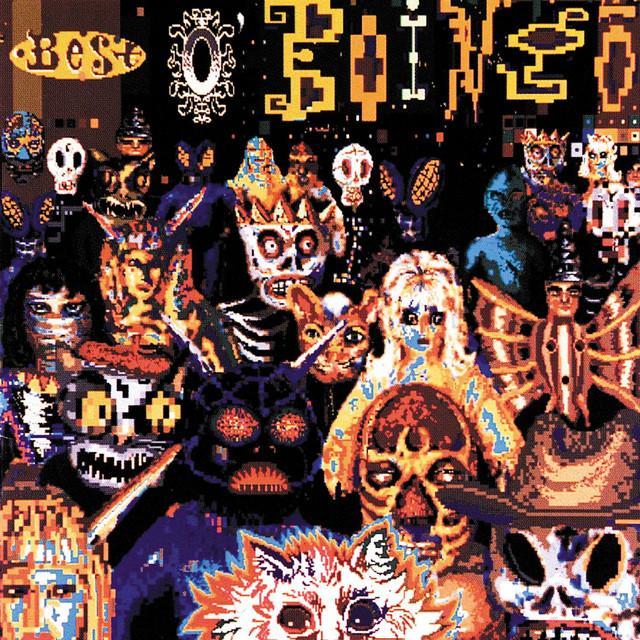
Why 'Gratitude' by Oingo Boingo Feels So Bitter
The meaning of Gratitude Oingo Boingo starts with a trick. The title sounds warm and polite, but the song itself feels uneasy, sarcastic, and wounded. Rather than offering simple thanks, Oingo Boingo turns gratitude into a question: when someone says they are thankful, are they expressing love, dependence, fear, or defeat?
"Gratitude" - Oingo Boingo
Life's been so good to me,
Has it been good to you?
Loading lyrics...
Unable to load lyrics
We're unable to display the lyrics at this time. Please try again later.
Written by Danny Elfman, who led the band before becoming a major film composer, the song fits Oingo Boingo’s larger style of mixing catchy energy with dark emotions and nervous humor. The group’s history and credits are well documented by sources like AllMusic and Britannica. That context matters, because this song is less a calm confession than a jagged psychological performance.
A Thank-You Song That Does Not Trust Itself
At first, the speaker sounds almost upbeat. They open by saying life has been good and then ask whether it has been just as good for someone else. That setup sounds friendly, but it quickly becomes tense. The repeated question now is that gratitude?
makes the whole song wobble.
Instead of saying what gratitude is, the speaker keeps doubting it. They ask whether it might be love, obligation, or some other force they cannot name. That uncertainty is the heart of the song.
Interpretation: the track seems to attack fake positivity. It suggests that public thankfulness can hide private pain, and that saying the right words does not fix emotional damage.

Watch the official Gratitude
music video
Where the Song Turns Dark
The clearest emotional shift comes when the lyric drops the polite mask and admits harm. The speaker says you took away my hope
and also you took away my fantasy
. In plain terms, they feel robbed of both emotional stability and the dreams they once lived by.
That is why the song does not sound sincerely grateful. The narrator once felt strong and in control, but now that confidence looks fragile, like castles made of sand
. The image suggests a life that looked solid until pressure exposed how weak it really was.
This section gives the song its emotional key. Gratitude is no longer a virtue here. It becomes a loaded word the speaker cannot say without also thinking about humiliation, dependency, and loss.
The Wild Images Mean More Than They First Seem
One of the song’s smartest moves is its long list of strange places and situations. The speaker finds this feeling in chaos, danger, ordinary home life, and public shame. They mention storms, revolution, bedtime comfort, and the blank quiet of a dinner table.
These snapshots are not telling a literal story. They work more like emotional locations. A tornado suggests confusion. A frightened neighbor hints at social fear. A broken elevator feels like being stuck between levels, unable to move up or down. The stillness of disgrace points to embarrassment that has settled in and gone cold.
In the middle of a big tornado,
In the silence of the dinner table,
In the stillness of disgrace.
This brief set of lines shows the song’s range. It jumps from huge disaster to intimate silence, making the point that this emotional conflict exists everywhere. The narrator cannot escape it.
Chorus as Obsession, Not Resolution
Many pop choruses give answers. This one gives repetition. Each time the song circles back to now is that gratitude?
, it sounds less resolved and more trapped.
That matters because repetition changes the meaning. Early on, the phrase sounds curious. Later, it sounds defensive. By the end, it feels obsessive, as if the speaker is trying to talk themselves into understanding something they still cannot accept.
Interpretation: the chorus may be about emotional debt. The narrator seems to wonder whether they owe appreciation to someone who also hurt them. That conflict can happen in romance, family, friendship, or even broader social systems where people are told to be thankful for what also limits them.
How the Sound Supports the Meaning
Oingo Boingo were known for sharp rhythms, dramatic arrangements, and a theatrical edge, as noted in overviews from AllMusic. Even without quoting the full arrangement sheet, listeners can hear how that style helps this song.
The groove pushes forward, but the vocal delivery carries strain. Elfman’s performance does not settle into easy sincerity. He sounds like someone smiling with clenched teeth. The repeated hook, layered voices, and piling images create a sense of pressure building rather than releasing.
That tension is key to the meaning of Gratitude Oingo Boingo. The music keeps moving like a pop song, but emotionally it feels cornered. In other words, the production lets the listener dance while also hearing a nervous breakdown underneath.
Two Strong Ways to Read the Song
Reading One: A Bitter Relationship Song
The most direct reading is personal. Someone hurt the narrator, and now any demand for thankfulness feels insulting. The line I dream of you sometimes
suggests the bond is not over emotionally, even if it is damaging.
Reading Two: A Satire of Social Manners
It can also be read more broadly. The song may be mocking the way people are told to act grateful no matter what. In this reading, gratitude becomes a social performance used to cover pain, inequality, or disappointment.
Both readings fit because the lyric stays open. It never fully names the relationship, which lets the anxiety spread into many parts of life.
Why the Song Still Connects
What makes "Gratitude" memorable is how clearly it captures mixed feelings. Many songs choose one lane—love, anger, joy, heartbreak. This one stays in the messy middle. It shows how people can feel attached and resentful at the same time.
That is why the song still lands. It understands that gratitude can be real, but it can also be demanded, manipulated, or confused with surrender.
In the end, the meaning of Gratitude Oingo Boingo is not that thankfulness is false. It is that thankfulness becomes unsettling when it is tangled with hurt. Oingo Boingo turns that tension into a song that is catchy on the surface and deeply suspicious underneath.
Disclaimer: This article offers interpretation based on the lyrics, performance, and artist context. Songs can support more than one valid meaning.







