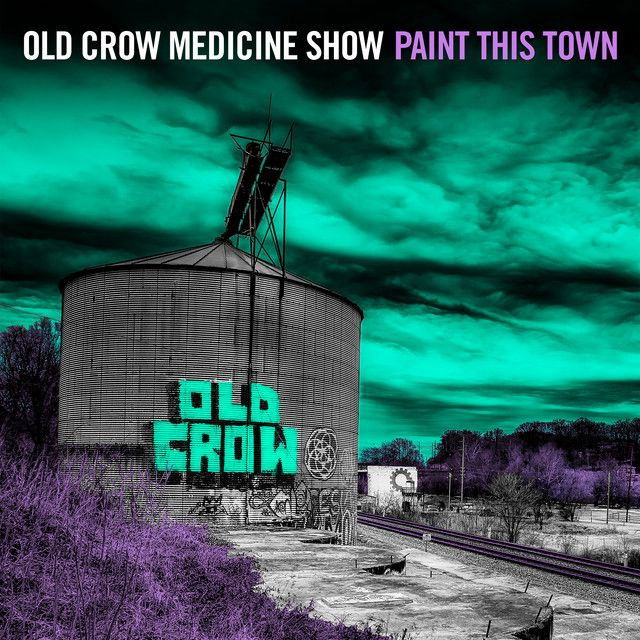
Why 'Paint This Town' Hurts and Roars
The meaning of Paint This Town Old Crow Medicine Show comes down to one big tension: teenage freedom feels huge in the moment, but memory makes it fragile. The song is rowdy on the surface, yet underneath it is about growing up in a place that feels too small, loving someone there, and realizing that even your wildest nights cannot stop time.
"Paint This Town" - Old Crow Medicine Show
I had a wandering soul
I walked and crawled across six state lines
Loading lyrics...
Unable to load lyrics
We're unable to display the lyrics at this time. Please try again later.
Old Crow Medicine Show have long mixed old-time string-band music with restless, road-tested energy. That fits their history as a busking-rooted Americana group later welcomed into the Grand Ole Opry, with a career that stretches from street corners to Grammy-winning records. Paint This Town arrived in 2022 as part of that long arc, during a period of lineup change for the band.
A Small-Town Anthem With a Bruise Under It
On first listen, the song sounds like a celebration of rebellion. The narrator remembers being young, moving across state lines early in life, and landing in a place that never felt big enough. That history matters because it sets up a person with a natural urge to roam.
Then another person enters the story, and the song turns into a shared memory. They become, in the song's words, teenage troubadours
, drifting through truck stops, drive-ins, and boxcars. That image is not just romantic. It shows two young people making their own mythology in places most adults would call ordinary.
Interpretation: The song is less about crime or chaos than about wanting intensity. They want to feel larger than the town around them.

Watch the official Paint This Town
music video
The Chorus Turns Rebellion Into Meaning
The hook gives the song its emotional center. When the narrator says paint this town
, they are not only talking about partying. They are imagining an act of transformation.
The town feels blank, stalled, and forgettable. To paint it is to force color onto it, to claim it, and to leave proof that they were there. The line about the Waffle House jukebox
strengthens that idea. It places the story in a familiar Southern space where late-night music can make buried memories rush back.
That is why the chorus sounds both messy and hopeful. Their brains are scattered, their lives are not settled, and yet they still believe they can turn confusion into action.
Youthful Color, Defiance, and Fear
One of the song's smartest moves is its use of color. Red, white, and blue might suggest patriotism, but the song complicates that quickly with police, warnings, and anarchy signs. Instead of presenting small-town America as simple or pure, it shows it as a place full of pressure, authority, boredom, and desire.
The phrase anarchy signs
captures that teenage urge to provoke. But the song does not glamorize rebellion as a complete answer. It also hints that these gestures come from being fifteen, from feeling trapped, and from not having any real power.
That is why one of the sharpest lines is the idea of a heartbreak city
where kids go to make out or die. It is exaggerated in style, but emotionally direct. In plain terms, the town gives young people very few options, so every romance and every risk feels larger than life.
The Story Quietly Changes in the Final Verse
The song's last turn is what gives it lasting depth. At first, the town is something to fight. Later, it becomes something to remember.
When the narrator says the train no longer stops as it used to, the detail matters. The world has changed, and the old escape routes seem gone. The interstate misses town, the place feels bypassed, and the young still grow up there trying to survive.
Then comes the hardest emotional shift: the two people at the center have faded away. The dream of outrunning the town did not fully hold. What remains is dirt under the fingernails from when they went digging for gold, a striking image for hope, effort, and disappointment all at once.
Interpretation: The song suggests that youth does not disappear cleanly. It lingers as physical memory, old music, and unfinished longing.
How the Band's Sound Carries the Message
Old Crow Medicine Show have built their reputation on blending folk, bluegrass, old-time, and punkish live energy, and that matters here. The band's larger story helps explain why this song feels credible rather than costume-like: they came out of busking culture, were famously championed early by Doc Watson, and have spent decades turning American road imagery into living music.
On Paint This Town, that background meets a fuller band sound. Fiddle, string-band drive, and a barroom stomp help the song feel like both a memory and a dare. It moves with enough kick to sell the teenage rush, but there is also a rough warmth in the performance that keeps the nostalgia from turning glossy.
Because the track sits on a 2022 album released during a transitional era for the group, it also carries a subtle theme of continuity. Even as lineups change, they still sound drawn to songs about motion, place, and the people left marked by both.
So What Is the Song Really Saying?
The meaning of Paint This Town Old Crow Medicine Show is not just that small-town kids want to rebel. It is that rebellion can be a form of self-invention, especially when life feels prewritten. The song honors that impulse, but it also admits that time wins some battles.
In the end, they present youth as bright paint thrown against a fading landscape. It does not last forever, but it matters because it proves they were alive when they made it.
Disclaimer: This interpretation is based on the song's lyrics, performance, and publicly available artist context. As with any song, listeners may hear different meanings in it.









