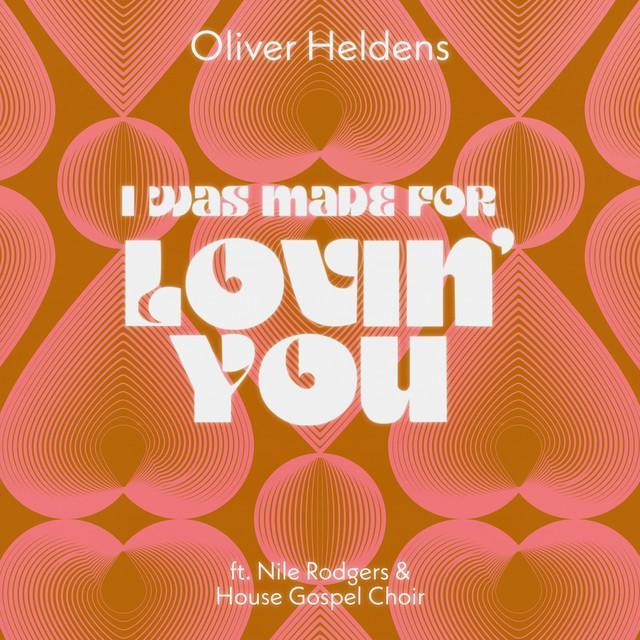
I Was Made For Lovin' You by Oliver Heldens, Nile Rodgers, House Gospel Choir
They took a classic rock‑disco hook and rebuilt it for today’s dancefloor. This rework turns a private promise into a communal release, where voices rise together and the groove won’t quit. If you’re searching for the meaning of I Was Made For Lovin' You Oliver Heldens, Nile Rodgers, House Gospel Choir, here’s a clear, listener‑friendly guide.
"I Was Made For Lovin' You" - Oliver Heldens ft. Nile Rodgers, House Gospel Choir
You were made for lovin' me
And I can't get enough of you, baby
Loading lyrics...
Unable to load lyrics
We're unable to display the lyrics at this time. Please try again later.
A Promise Reimagined for the Dancefloor
At heart, the lyric is simple and bold: destiny, desire, and reciprocity. Lines like Made for love
frame affection not as chance but as purpose. The song states a bond that is meant to be and meant to last.
Interpretation: By repeating that purpose, the track becomes a mantra. On a packed floor, mantra beats metaphor—a shared chant people can feel together. The message is romantic, but it also speaks to a broader idea: music itself can be the thing we’re “made for.”

Watch the official I Was Made For Lovin' You
music video
Who’s Speaking—and Why the Choir Matters
The narrator addresses a partner directly—You were made for lovin' me
—then mirrors it with I was made for lovin' you
. This back‑and‑forth sets up a conversation, not a one‑sided plea. In this version, House Gospel Choir supplies the reply. Their harmonies push the lyric from private vow to public affirmation.
Interpretation: A choir suggests community. Love isn’t just two people—it’s held up by friends, family, and, here, a room full of strangers dancing in time. The call‑and‑response structure makes the commitment feel bigger than the couple.
The Hook as Mantra: Why Repetition Works
The hook centers on endurance and appetite: I can't get enough
. In pop, repetition often signals urgency. Here, it also signals consent and mutuality. The lyric circles a promise to give it all
, and asks the partner to match that energy. It’s not just “I want”; it’s “we give.”
Interpretation: Because the words are plain, their emotional color comes from delivery—one voice sounds intimate; many voices sound certain. As the choir swells, the promise turns into a collective truth.
How the Sound Carries the Meaning
- Groove: A steady four‑on‑the‑floor kick turns the vow into motion. You don’t just hear commitment—you move with it.
- Guitar: Nile Rodgers adds crisp, syncopated rhythm guitar that flashes between the kick and claps. His trademark funk “chop” keeps tension and release alive, like a heartbeat under the lyric.
- Bass and drops: Oliver Heldens anchors the track with a rubbery, modern low end. He builds and pulls energy in waves, matching the lyric’s “can’t get enough” escalation.
- Voices: House Gospel Choir layers harmonies that answer, lift, and sometimes lead, reinforcing the idea that love is mutual, not solitary.
Interpretation: The production treats love as a system—drums, bass, guitar, and voices support one another. Each part leaves space so the hook can land again and again.
From KISS to Club: Why This Cover Works
The original “I Was Made for Lovin’ You” introduced disco pulse to a hard‑rock band in 1979, written by Paul Stanley, Desmond Child, and Vini Poncia. This version honors that blend by leaning into disco’s sparkle and house music’s lift. The famous melody stays, but the textures change: more low‑end drive, brighter rhythm guitar, and a choir that feels like sunlight through stained glass.
Interpretation: Where the original felt like a risk—rock stepping into disco—this one feels like a homecoming. House, disco, funk, and gospel have long been neighbors. Bringing them together makes the lyric’s “made for” claim feel inevitable.
Themes, Motifs, and What They Signal
- Destiny and devotion: The “made for” frame paints love as purpose, not accident.
- Reciprocity: The constant mirroring (“you” then “I”) stresses balance.
- Insatiable joy:
I can't get enough
reads less as greed than as gratitude. Joy creates its own hunger. - Community: A choir makes private desire public—and safe. It says, “We celebrate this with you.”
- Repetition as ritual: Like a wedding vow or a club chant, the lines return until they feel true.
Alternate Readings Worth Considering
- Interpretation 1: Romantic vow. The narrator pledges total commitment and asks the same in return. The choir is the crowd cheering on that bond.
- Interpretation 2: Love for the music itself. The “you” could be the beat, the club, or the night. In that lens, saying
I can't get enough
is about staying in the moment, extending joy as long as the groove holds.
Takeaway: Why It Sticks
This version thrives because it’s simple, sincere, and built to move. The lyric’s clarity lets the groove do the heavy lifting, while the choir turns a single voice into many. It’s a reminder that big feelings don’t always need big words—just the right ones, said together.
Disclaimer: Song meanings are subjective. This analysis blends the text, production choices, and cultural context with reasonable interpretation.








