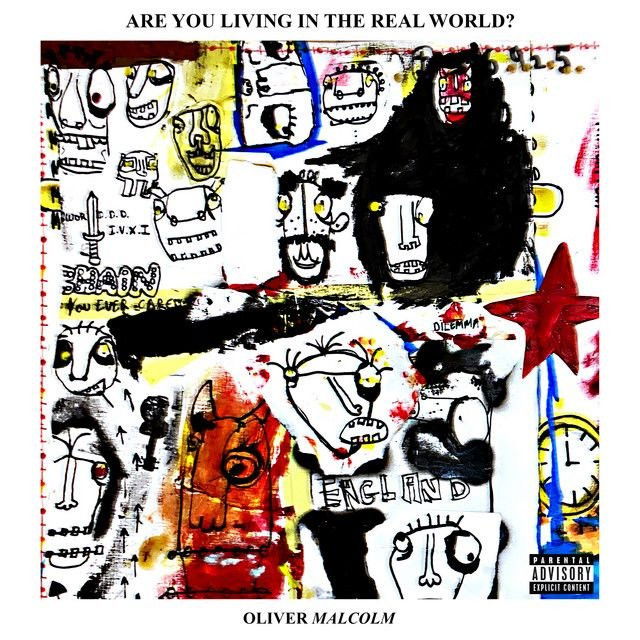
The Jungle by Oliver Malcolm
The meaning of The Jungle Oliver Malcolm comes into focus fast: this is a song about survival under pressure. It paints life as a hostile space where fear never fully leaves, even when the speaker tries to stay calm. In a short running time, Oliver Malcolm turns one strong image into a full emotional world.
"The Jungle" - Oliver Malcolm
Might be the last time I close my eyes
I worry
Loading lyrics...
Unable to load lyrics
We're unable to display the lyrics at this time. Please try again later.
The track does not need many words to make its point. Its repeated ideas about staying alive, losing balance, and facing a lonely path give the song a stripped-down intensity. That simplicity is a big part of why it hits.
A Survival Song Hiding in Plain Sight
At the center of the song is the metaphor of a jungle. This is not presented as an adventure. It is a place where danger feels normal and rest feels temporary. When the lyric says in the jungle
, it frames the whole song as life inside a system that rewards toughness and punishes weakness.
The next key idea is survival. The hook circles back to tryna survive out here
and tryna stay alive out here
. Paraphrased, the speaker is not chasing glory or romance. They are focused on making it through. That makes the song feel urgent rather than dramatic.
Interpretation: The jungle can stand for many things at once: the city, the music business, adulthood, or a stressed mental state. The lyrics never lock it to one setting, so listeners can map the image onto their own lives.

Watch the official The Jungle
music video
Fear, Isolation, and the Cost of Endurance
One of the strongest moments comes right away with the thought that this might be the last time the speaker rests. That idea is followed by worry, which gives the song its emotional base. Even before the chorus starts, the listener knows this is about living with constant threat.
The line about the jungle getting cold at night deepens that mood.
The jungle gets cold at night
Might be the last time I close my eyes
These lines suggest that vulnerability is hardest when everything gets quiet. During the day, a person can move, act, and distract themselves. At night, fear gets louder.
Another important detail is the phrase this lonely road
. That tells listeners survival is not just physical. It is emotional too. The speaker feels alone, cut off, and forced to carry their burden without much comfort.
Why the Repetition Matters So Much
The song repeats its core phrases again and again. That is not laziness. It mirrors the mental loop of someone in survival mode. When a person feels trapped, their thoughts often reduce to basics: stay safe, keep moving, do not fall apart.
That is why the repeated hook works. Each return to the same words feels less like a chorus built for radio and more like a mantra. The song keeps insisting on life because life feels fragile.
There is also a subtle emotional twist. The speaker says they are alright, but the rest of the song does not sound calm. That contrast makes the reassurance feel shaky.
The line that changes everything
When the song reaches lost my mind out here
, it raises the stakes. Until then, the focus seems to be on physical survival. This phrase suggests mental strain too. The jungle is not only dangerous; it can also break down a person’s sense of self.
Sound Design as Meaning
Oliver Malcolm often works in a style that blends rap, alternative pop, and moody, minimalist production. On his artist page, his catalog shows that mix of genre fluidity and emotional directness. That context fits this song well.
The production on “The Jungle” is lean and tense. Instead of crowding the track with detail, it leaves space around the vocal. That space matters. It creates the feeling of emptiness, exposure, and distance, which supports the song’s lonely mood.
The beat also feels steady rather than explosive. That choice reinforces the idea of endurance. This is not the soundtrack to a victory lap. It sounds like a long walk through pressure, one step at a time.
According to the song credits provided here, the writers are Oliver Jonas Bergqvist and Dilip Venkatesh. Malcolm’s official site also presents him as an artist interested in atmosphere and identity, both of which shape how this song lands.
A Few Strong Interpretations
Interpretation 1: The song is about social reality. The jungle may represent unstable surroundings where people compete, defend themselves, and struggle to trust others. In that reading, the song speaks to street pressure, ambition, and survival in public life.
Interpretation 2: The song is about mental health. The images of worry, sleeplessness, and losing one’s mind suggest anxiety and emotional exhaustion. The jungle becomes an inner landscape, not just an outer one.
Interpretation 3: The song is about the music industry. Because Oliver Malcolm has often moved between styles and scenes, some listeners may hear this as commentary on creative survival. The lonely road could point to the cost of building a career while feeling exposed.
The Final Meaning of the Track
The best way to understand the meaning of The Jungle Oliver Malcolm is to see it as a compact portrait of life under pressure. The song describes fear honestly, but it does not surrender to it. Even in a hostile world, the speaker keeps moving.
That is what gives the song its force. It is tense, sparse, and vulnerable, yet still determined. The jungle may be cold, lonely, and unforgiving, but the voice at the center keeps trying to make it through.
Disclaimer: This interpretation is based on the lyrics, available credits, and musical context. As with any song, listeners may hear meanings that differ from this reading.








