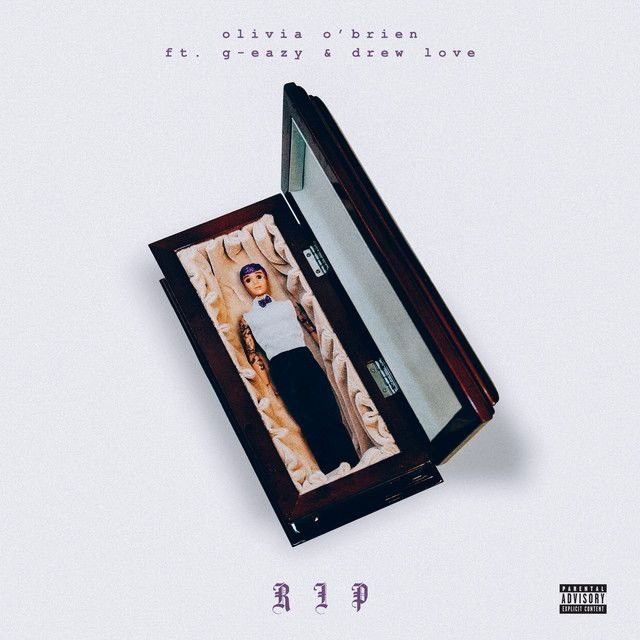
RIP by Olivia O'Brien, G‐Eazy, Drew Love
The meaning of RIP Olivia O'Brien, G‐Eazy, Drew Love comes down to a sharp kind of heartbreak: mourning a relationship before the other person is physically gone. The song treats emotional change like a death. It is not about a funeral in a literal sense. It is about watching someone become unrecognizable and feeling forced to bury the version they used to be.
"RIP" - Olivia O'Brien, G‐Eazy ft. Drew Love
Got a new girl, new friends, brand new
I swear it's like I don't even know you
Loading lyrics...
Unable to load lyrics
We're unable to display the lyrics at this time. Please try again later.
Olivia O'Brien built much of her early catalog around raw, conversational breakup writing, following her breakout on "I Hate U, I Love U". That background matters here. "RIP" fits her style of turning messy, mixed feelings into plain, memorable lines.
The breakup is really about identity loss
At the center of the song is a simple complaint: this person is not who they were before. The opening frames that loss through changed habits, changed company, and fading intimacy. When the singer says "I miss the old you"
, they are not only missing romance. They are missing familiarity, trust, and the sense that this bond had a stable core.
That is why the title lands so hard. "RIP to the old you"
acts like a eulogy for a former version of a partner. The hook exaggerates on purpose, but the feeling is real: sometimes a breakup hurts most when the other person is still present, just emotionally unreachable.

Watch the official RIP
music video
Why the chorus feels so brutal
The chorus uses death language to express emotional finality. Saying someone is "dead to me"
usually means the relationship has crossed a line that cannot be undone. Here, though, the song adds a painful twist. They are not only angry. They are grieving.
That tension makes the hook work. The speaker tries to sound firm, but the repeated confession of missing that person keeps breaking through. In other words, the song is not a cold dismissal. It is a breakup anthem where the anger keeps exposing the sadness underneath.
RIP to the old you
I miss the old you
It's like you're dead to me now
Those lines summarize the whole song: love has turned into mourning because change has made the relationship feel unlivable.
The verses show a fight between truth and attachment
One of the strongest parts of the song is how it refuses to make the speaker perfectly innocent. In the first verse, they admit they almost want to argue just to get the old closeness back. That detail matters. Fighting is not presented as healthy, but as proof that even conflict used to feel better than distance.
G-Eazy's verse deepens that idea. He moves away from blame alone and into confusion, guilt, and fear of replacement. When he says he should trust but cannot, the song becomes less about a villain and more about two people trapped in a damaged dynamic. His section suggests the relationship did not collapse in one moment. It wore down through dishonesty, insecurity, and feelings neither side could name clearly.
An important interpretation
Interpretation: the song is not just saying, "You changed." It is also asking whether the relationship itself helped create that change. Both artists hint that they are reacting to a version of each other shaped by disappointment, mistrust, and repeated hurt.
Drew Love brings the ghostly mood
Drew Love's presence matters even if listeners focus on the chorus first. His melodic style adds a soft, almost floating quality that makes the song feel less like a shouting match and more like an afterimage. That matters because the song lives in the space after damage, when people are replaying what happened rather than actively fighting.
The remix format also helps. Olivia O'Brien's original emotional directness stays central, while G-Eazy and Drew Love widen the scene. Instead of one diary entry, the remix sounds like a conversation between grief, ego, and regret.
How the production carries the meaning
The production keeps the song in moody pop-R&B territory, which matches O'Brien's early sound. The beat is smooth rather than explosive, and that choice is smart. A louder, harder track might have turned the song into pure revenge. Instead, the restrained instrumental leaves room for bitterness and vulnerability to sit together.
The chorus is especially effective because the melody is catchy enough to feel anthemic, while the words remain harsh. That contrast mirrors the emotional split inside the song: it sounds polished and cool, but the message is wounded.
This also fits Olivia O'Brien's early career arc. According to her artist profile, she released the original "RIP" in 2017, and the G-Eazy and Drew Love remix followed in 2018. That timing places it in the period when she was shaping a recognizable brand of candid, youth-driven heartbreak pop.
Why the song still connects
Many breakup songs are about being left. "RIP" is more specific. It is about staying long enough to witness a person become someone else. That idea hits a nerve because it captures a common but hard-to-explain feeling: the relationship may technically still exist, but the version worth saving is already gone.
The line "we've gone too far"
is key to that feeling. It suggests a point of no return. Not a temporary fight, not a misunderstanding, but a change so deep that memory and present reality can no longer match.
Final takeaway on the song's message
The meaning of RIP Olivia O'Brien, G‐Eazy, Drew Love is about mourning emotional transformation. It turns a breakup into a symbolic funeral for trust, closeness, and the person someone used to be.
Its power comes from contradiction. They are angry, but they still care. They want distance, but they also want the past back. That is why the song lasts: it understands that some endings do not feel clean. They feel like grief.
Disclaimer: This interpretation is based on the song's lyrics, performance, and publicly available release context. Like most pop songs, it can support more than one reading.









