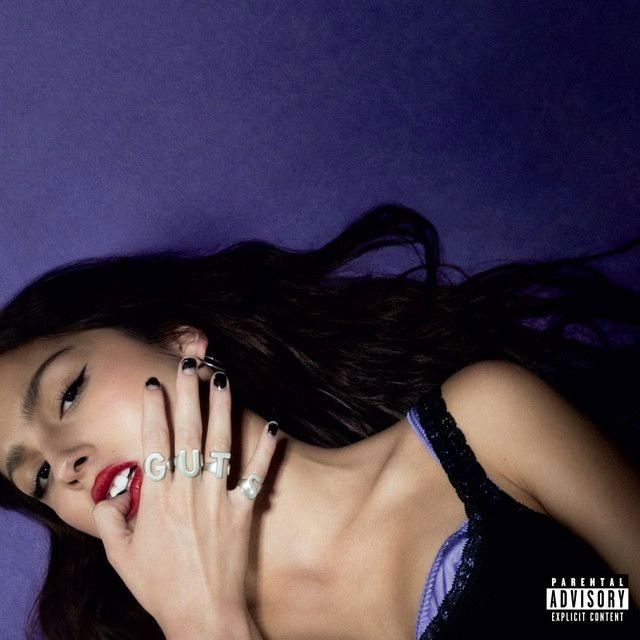
teenage dream by Olivia Rodrigo
They called her a prodigy, then asked her to stay that way forever. Olivia Rodrigo’s “Teenage Dream,” the closing track of Guts, turns a birthday wish into a quiet panic about time, fame, and self-worth. If you’re searching for the meaning of teenage dream Olivia Rodrigo, this closer is less a celebration and more a confession about what comes after a meteoric debut.
"teenage dream" - Olivia Rodrigo
When am I gonna stop being a pretty young thing to guys?
When am I gonna stop being great for my age and just start being good?
Loading lyrics...
Unable to load lyrics
We're unable to display the lyrics at this time. Please try again later.
Growing Up Under a Spotlight
At its core, the song wrestles with image versus identity. Rodrigo questions how long she has to be wise beyond my years
and when she can simply be wise. She pushes back on being praised as a pretty young thing
or great for my age
—labels that flatten her into a headline.
Interpretation: The song argues that the public’s fixation on youth can steal the right to grow. By naming and rejecting those age-based compliments, she reframes them as traps rather than gifts.
Who’s Talking, and Who’s Listening?
The narrator speaks in first person, but the addressee shifts. Sometimes she talks to herself, sometimes to fans, and sometimes to the industry that sells the “teenage dream.” The line happy birthday to me
sounds like a toast, yet it lands like a sigh.
Interpretation: The “you” in the refrain is a composite—anyone who projected a dream onto her. She’s apologizing for not fitting an ideal that was never hers to hold forever.
A Birthday, a Question Mark: The Narrative Beats
The song moves in three beats:
-
The verses pile up questions as she takes stock of her image and the gap between applause and reality.
-
The chorus pivots to a birthday scene—celebration colliding with dread.
-
The bridge turns a cultural comfort—“it gets better”—into doubt, asking whether growth will actually feel worse.
One brief couplet locks the scene in place:
I’ll blow out the candles, happy birthday to me
Got your whole life ahead of you, you’re only nineteen
Interpretation: The party is symbolic. A birthday should promise possibility, but here it magnifies fear that her “best parts” have already been used up.
What the Refrain Really Says
The hook apologizes for not always being someone’s “teenage dream.” She isn’t rejecting her audience; she’s rejecting a fantasy of permanent innocence and endless firsts. That apology is a boundary.
Interpretation: The refrain makes growing up a kind of breakup—with the version of herself the world preferred. It’s tender, not bitter, and it keeps compassion for listeners who still cling to that image.
Symbols, Phrases, and Motifs That Matter
- Compliments with a clock: Phrases like
wise beyond my years
andgreat for my age
are praise that expires. The flattery contains an end date. - Beauty as category:
pretty young thing
critiques how youth and beauty get bundled together, especially for women in pop. - Ritual turned reveal: The candle moment reframes birthdays from milestone to mirror; the ritual exposes fear.
- The doubt refrain: The looping question
what if I don’t?
flips the common promise that adulthood brings ease. Repetition mimics spiraling thoughts.
Interpretation: These motifs show a push-pull between public narrative and private reality. Each phrase is a pressure point where identity gets negotiated.
Piano, Silence, and a Baby’s Laugh: Production Notes
“Teenage Dream” is an intimate piano ballad co-written with producer Dan Nigro. The arrangement is spare, built around voice and keys, with careful dynamics. As the song progresses, space opens up—room for reflection, room for doubt.
At the very end, listeners hear studio chatter and a baby’s coos. That tender sound softens the anxiety and rounds the album’s arc back to innocence. Interpretation: After a song about losing the magic, those final seconds argue that wonder still exists—just not in the market’s idea of youth.
Alternate Readings and Why They Fit
- Interpretation 1: A letter to her younger self. The song apologizes for failing a myth she once believed, then frees her to grow past it.
- Interpretation 2: A message to the industry. She documents the moment she stops accepting age-based praise as currency.
Both work because the lyrics hold multiple audiences at once and because the questions never resolve into a tidy answer.
Takeaway
The meaning of teenage dream Olivia Rodrigo is the tension between promise and pressure. It’s a coming-of-age scene scored by a piano and lit by birthday candles—celebration flickering with doubt.
Disclaimer: This article offers interpretation based on lyrics, production, and public commentary. Listeners may reasonably hear the song in other ways.









