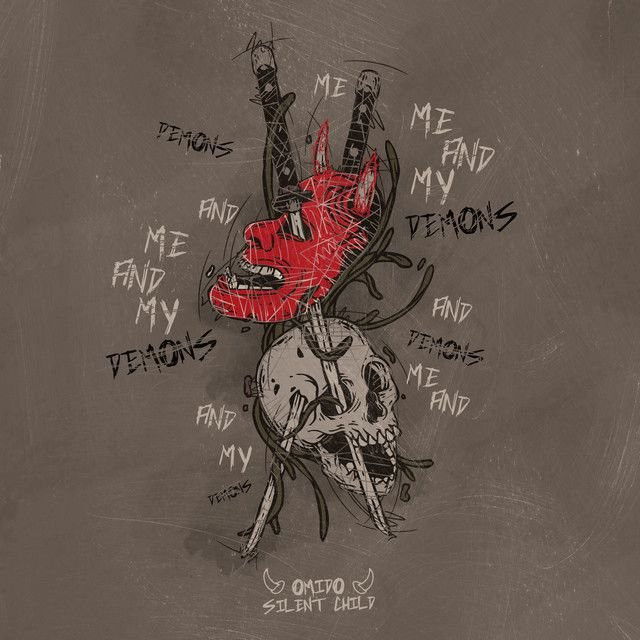
Why 'Me & My Demons' Feels So Uncomfortably Honest
The meaning of Me & My Demons Omido, Silent Child comes through fast: this is a song about pain that has stopped feeling temporary. Instead of describing inner struggles as something to beat, the narrator talks about them like familiar company. That twist is what gives the track its sting.
"Me & My Demons" - Omido, Silent Child
I got my ticket for the long way round
And I was high before I left my bed
Loading lyrics...
Unable to load lyrics
We're unable to display the lyrics at this time. Please try again later.
They do not sound proud. They sound worn down. The song turns depression, regret, and self-sabotage into a relationship, and that makes the message hit harder than a simple sad confession would.
The Heart of the Song: Living Beside Self-Destruction
At the center of the song is a person who has gotten used to their own worst patterns. In the opening verse, the narrator mixes movement, intoxication, and emotional escape. The image of getting a ticket for the road suggests leaving, but not healing. They are going somewhere physically while staying stuck mentally.
When they mention being high before I left my bed
, the point is not rebellion. It suggests a day that begins in avoidance. Before life even starts, the speaker is already trying to mute it.
That same pattern continues with let the demons out
. Interpretation: this can mean substances do not truly remove pain; they only loosen what has already been buried. The song frames coping as release, but also as surrender.
Watch the official Me & My Demons
music video
A Chorus Built on Bitter Irony
The hook is the song's smartest move. Calling the demons best bros
sounds casual, almost jokey, but the humor is very dark. It suggests the narrator has been with these thoughts for so long that they feel like permanent roommates.
That matters because the chorus does not sound like victory. It sounds like resignation dressed up as a joke. By saying they always stay close
, the speaker admits there is no clean distance between themselves and their suffering.
Why the Repetition Matters
The repeated chorus mirrors obsession. The same idea keeps circling back, just like the same habits and thoughts keep circling back in the narrator's life. In a song about being trapped, repetition is not just catchy writing. It becomes part of the meaning.
What the Verses Reveal About Shame
The second verse adds another layer: fear of being forgotten. When the narrator says They won't remember me
, they sound convinced their life will blur into the background. That line connects personal pain to social invisibility.
Then the song shifts from loneliness to regret. The speaker is exhausted by old mistakes and unable to relate to other people's happiness. That detail matters. It shows their pain is not only inward-facing; it also affects how they see the rest of the world.
Interpretation: the line about having a role in society may be sarcasm. They seem to believe they have been assigned the part of the damaged person, the one who carries sadness while others move on.
Symbols That Carry the Message
The lyrics are simple, but the symbols are strong. A few images do most of the emotional work:
- The ticket suggests motion without real escape.
- The bottle points to numbing, dependence, and social performance.
- Demons represent inner pain, guilt, addiction, or mental health struggles.
- Memory and forgetting reflect fear that suffering will leave no lasting mark except damage.
None of these images are overly complicated. That directness is part of the appeal. The song uses familiar symbols, but puts them together in a way that feels personal rather than generic.
How the Sound Likely Deepens the Theme
Omido and Silent Child both work in emotionally charged electronic pop spaces, where dark drops and moody builds often carry as much meaning as the lyrics. Based on that shared style, the production behind "Me & My Demons" likely balances energy with heaviness instead of going fully quiet or fully explosive.
That kind of sound suits the writing. A steady beat can feel like compulsion, while glossy synth textures can create a strange contrast with bleak lyrics. The result is a song that can move physically while sounding emotionally stuck.
Interpretation: if the vocals sit close to the front of the mix, that intimacy would make the confession feel more immediate. If the instrumental swells around the chorus, it would underline how the narrator's bond with these "demons" has grown larger than the rest of their identity.
Two Strong Ways to Read the Song
There are at least two solid interpretations of the meaning of Me & My Demons Omido, Silent Child.
Inner Demons as Mental Health Struggles
In this reading, the song is about depression, self-loathing, and emotional exhaustion. The speaker feels alienated from happiness, haunted by the past, and unable to imagine a cleaner future.
Demons as Addiction and Habit
In another reading, the demons are tied more directly to drinking, drug use, and the social circles built around them. The bottle is not only escape; it is also a way to "make friends," which suggests unhealthy coping has become part of identity and community.
These readings work best together. The song does not force a choice between mental pain and substance use. It shows how one can feed the other.
Why the Song Connects
What makes this track memorable is its honesty about attachment to pain. Many songs describe fighting demons. This one describes living with them, naming them, even joking about them. That is uncomfortable because it feels real.
For listeners, the song may resonate not because it offers hope, but because it captures the stage before hope: the point where someone knows their habits are hurting them, yet cannot imagine who they would be without them.
That is the lasting takeaway from the meaning of Me & My Demons Omido, Silent Child. It is a song about loneliness so familiar it starts to sound like friendship.
Disclaimer: This interpretation is based on the released lyrics and publicly available song context. As with any song, listeners may hear meanings the artists did not explicitly confirm.








