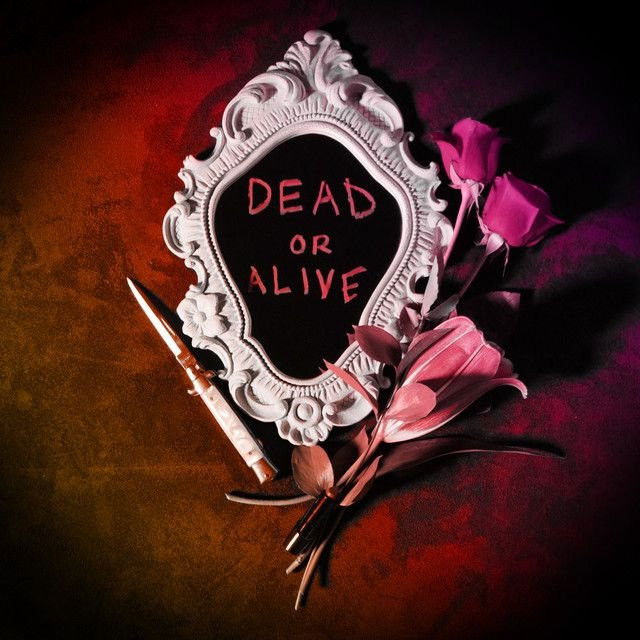
Why 'Dead Or Alive' Feels So Dangerous
The meaning of Dead Or Alive Stileto, Duke comes through fast: this is a breakup song that refuses to stay sad. Instead, it turns pain into a dark fantasy of revenge, control, and emotional payback.
"Dead Or Alive" - Stileto, Duke
Verse 1:
What did I do, fallin’ for you
Loading lyrics...
Unable to load lyrics
We're unable to display the lyrics at this time. Please try again later.
What makes the track hit is not just its anger. It is how the narrator moves from wounded to coldly determined, almost as if heartbreak has become a weapon. That shift gives the song its edge and explains why it feels both catchy and unsettling.
A Breakup Song Wearing a Thriller Mask
At the most basic level, the song tells the story of someone who feels deeply hurt by a lover who lied, manipulated, and left damage behind. Early on, the narrator admits they messed up by falling in love, then looks back with bitter clarity rather than simple grief.
That is why lines like fallin’ for you
and messed it up
matter. They frame the relationship as a personal disaster, but they also set up the song’s central twist: the narrator no longer wants closure. They want power.
Interpretation: The song is less about a real plan than about the emotional fantasy of regaining control after betrayal. In pop and dark-electronic writing, that kind of exaggeration often turns private pain into cinematic drama.

Watch the official Dead Or Alive
music video
How the Narrator Changes Shape
One of the most interesting things in the lyrics is the narrator’s emotional evolution. In verse one, they sound bruised and sarcastic. By the pre-chorus, they sound calculated. By the chorus, they sound possessive and almost predatory.
That progression gives the song a mini-story:
- They confess the relationship wrecked them.
- They suggest the other person has poison already inside them.
- They offer a so-called
little party favor
as if revenge were a gift. - They end in a vow of capture:
dead or alive
.
The phrase enemy inside your blood
is especially important. It suggests the damage is no longer outside the other person. It is internal, inescapable, already spreading. Whether listeners read that as guilt, addiction, or emotional poison, the image makes revenge feel intimate.
Why the Chorus Sounds So Extreme
The chorus is where the song locks into its darkest idea. Instead of asking for truth, healing, or apology, the narrator says there is no need to hide
. That line removes any chance of escape.
Tell me your lies, no need to hide
Baby tonight I’ll take you dead or alive
This short hook sums up the song’s whole psychology. The narrator already assumes deception, so honesty no longer matters. What matters is possession.
Interpretation: In that sense, the chorus is not really about love at all. It is about what happens when love curdles into obsession. The phrase “dead or alive” works like old outlaw language, but here it becomes a romantic threat, which is why the hook feels so theatrical.
The Images That Build the Mood
The song uses a few recurring motifs to turn simple heartbreak into something more vivid.
Poison, gifts, and contaminated love
The pre-chorus mixes affection with menace. A “present” from love should be sweet, but here it sounds toxic. That contrast suggests that what once felt like intimacy now carries danger.
Stimulants and collapse
Later, the narrator says they are running on coffee and drugs
. Even without taking that literally, the phrase paints a body pushed past its limit. It shows burnout, sleeplessness, and a mind stuck in survival mode.
Countdown imagery
When they say they are “counting you down,” the song enters full thriller territory. The relationship is no longer a memory. It becomes a clock moving toward consequences.
How the Sound Likely Carries the Meaning
Based on the lyric style alone, the production likely matters a lot to how the song lands. The writing suggests a dark-pop or electronic framework: sharp drops, tense builds, and a chorus designed to feel larger and more dangerous than the verses.
That matters because songs like this often depend on contrast. Softer or more conversational verses let the bitterness sink in, while a heavier chorus turns emotion into spectacle. If the beat hits hard under the hook, it would mirror the narrator’s emotional hardening.
The credited writers provided here are Joey Kurbanov, Madalen Duke, and Robert Bressler. That collaborative setup fits a song with a polished pop structure and a strong, repeated hook.
Two Strong Ways to Read It
There is more than one useful reading of the meaning of Dead Or Alive Stileto, Duke.
Interpretation 1: Revenge fantasy. This is the clearest reading. The narrator has been wronged and imagines total control over the person who hurt them.
Interpretation 2: Addiction metaphor. Phrases about blood, stimulants, and being unable to stop can also suggest dependence. In that reading, the toxic lover is like a drug the narrator both blames and still wants.
Both readings work because the song keeps love, violence, and craving deliberately tangled together.
What Listeners Are Meant to Feel
More than anything, the song captures the moment when sadness becomes something sharper. It understands that betrayal can make people fantasize about flipping the power dynamic, even if only in their head.
That is why the track feels memorable. It is not calm or balanced. It is dramatic on purpose, turning emotional injury into a dark, high-stakes performance.
In the end, this article reads the song as a stylized interpretation of heartbreak, obsession, and revenge, not a statement of fact about any real person or event.









