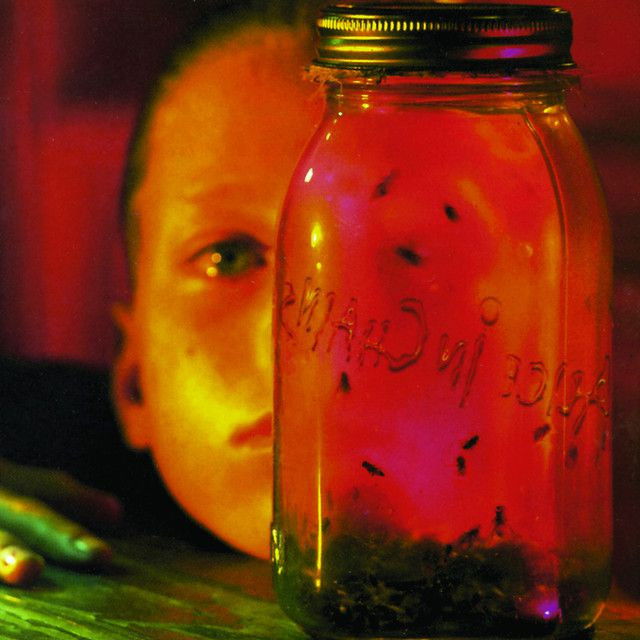
Rotten Apple by Alice in Chains
The meaning of Rotten Apple Alice in Chains centers on guilt, lost innocence, and the feeling that a person helped create their own damage. The song does not tell a neat story. Instead, it circles around regret and self-awareness, using religious and everyday images to suggest a fall from innocence that cannot be undone.
"Rotten Apple" - Alice in Chains
Innocence is over
Hey ah na na, over
Loading lyrics...
Unable to load lyrics
We're unable to display the lyrics at this time. Please try again later.
Released on the band's 1994 EP Jar of Flies, "Rotten Apple" opens the record with a slow, uneasy mood. That matters, because Alice in Chains were already known for dark emotional writing, and this track sets the tone with patience rather than explosion. It sounds numb, but also painfully awake.
The Core Idea Hiding in Plain Sight
At its heart, the song describes someone who knows they crossed a line early and now lives with the result. The repeated list of damaged qualities shows a moral and emotional breakdown. Innocence, confidence, and support are all gone or corrupted.
When the song says Innocence is over
and Confidence is broken
, it compresses a whole life change into a few words. They suggest a speaker who no longer believes in purity, trust, or even their own stability. The damage feels spiritual as much as personal.
Interpretation: the title "Rotten Apple" points to the old idea of forbidden knowledge, often linked to the Garden of Eden. But Alice in Chains twist that image. This is not just about temptation. It is about what happens after the bite, when the person knows too much to return to a simpler self.

Watch the official Rotten Apple
music video
A Fallen State, Not a Single Event
One of the strongest lines is What I see is unreal
. Paraphrased, the speaker seems cut off from reality, or at least from a healthy sense of it. They are not only guilty; they are disoriented.
That confusion connects to I've written my own part
, which sounds like an admission of responsibility. The speaker is not blaming only outside forces. They seem to say they helped script their own downfall.
Eat of the apple, so youngI'm crawling back to start
This is the song's clearest image. The speaker suggests they tasted corruption or harsh knowledge too early, and now they want to return to a beginning that no longer exists. The phrase about crawling back does not sound heroic. It sounds exhausted. They are not marching toward redemption; they are dragging themselves toward a lost version of who they were.
Why the Repetition Matters So Much
The verses are built from short statements: things are over, spoken, broken, stolen. That pattern feels almost like a chant. It gives the song a ritual mood, as if the speaker is reciting the evidence against themselves.
This structure supports the theme. Instead of telling listeners exactly what happened, the song names the results. That makes the track feel wider and more universal. A listener can hear addiction, betrayal, depression, or spiritual collapse in those words.
The line I repent tomorrow
is especially sharp. Paraphrased, it means the speaker keeps postponing change. They know they should face the truth, but they delay it one more day. That small phrase captures denial better than a long confession could.
Sound and Production: The Meaning in the Mood
The music carries as much meaning as the words. "Rotten Apple" is driven by a deep, fluid bass line from Mike Inez, and it moves with a heavy, drifting pulse instead of a hard attack. The arrangement on Jar of Flies showed the band stretching beyond grunge into something more spacious and haunted.
Jerry Cantrell's guitar lines do not rush to dominate the song. They hover, bend, and darken the edges. Sean Kinney's drumming is restrained, which leaves room for silence and tension. That space matters. It makes the song feel like a mind turning over the same guilty thoughts again and again.
Layne Staley's vocal is key to the meaning of Rotten Apple Alice in Chains. He sounds tired, detached, and intimate at once. Rather than sounding dramatic, they sing as if the pain has already settled in. That calm delivery makes the lyrics more unsettling, not less.
Artist Context Without Overclaiming
Alice in Chains often wrote about isolation, inner conflict, and self-destruction. Critics and fans have long connected their work to real struggles in the band's orbit, especially in the 1990s. Still, it is best not to reduce this song to one biography fact.
Factual context: the song was written by Layne Staley, Mike Inez, and Jerry Cantrell. Interpretation: their combined writing gives the track a broad emotional reach. It feels personal, but not narrowly literal.
That helps explain its lasting appeal. Many listeners hear addiction in the song, while others hear shame after a broken relationship or the collapse of faith. All of those readings fit because the lyric stays symbolic instead of specific.
Two Strong Readings of the Song
Reading One: A song about addiction and relapse
The repeated damage, the delayed repentance, and the desire to crawl back to the start all support this reading. The speaker seems aware of the harm but unable to fully stop the cycle.
Reading Two: A song about lost innocence
The apple image and the emphasis on early corruption suggest a person forced into adult knowledge too soon. In this reading, the song is about the end of moral certainty and the grief that follows.
Both readings can exist together. That overlap is one reason the song remains powerful.
Why "Rotten Apple" Still Lingers
"Rotten Apple" lasts because it never pretends recovery is simple. It captures the moment when a person sees the truth about themselves but cannot yet fix it. The song's slow burn, symbolic writing, and wounded calm make that insight feel hauntingly real.
For many listeners, the meaning of Rotten Apple Alice in Chains is not about one event. It is about living after the fall and knowing there is no easy way back.
Disclaimer: This interpretation combines documented context with critical reading of the lyrics and sound. As with most Alice in Chains songs, meaning can remain open to the listener.








