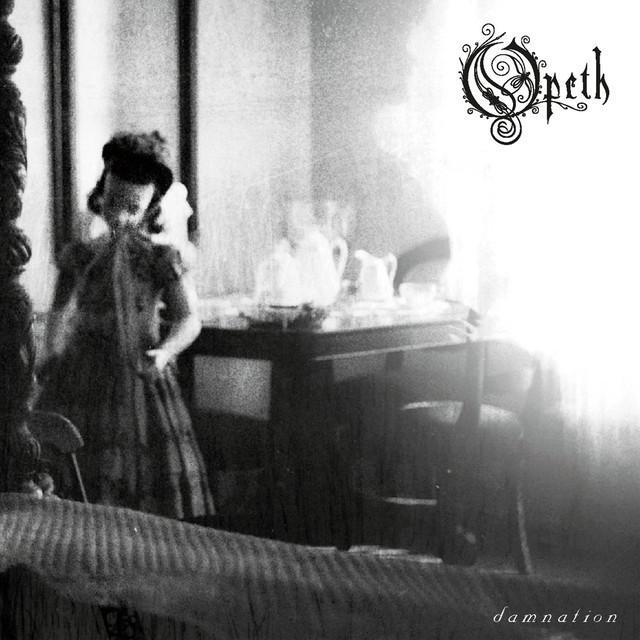
Death Whispered a Lullaby by Opeth
A Soft Voice With a Dark Meaning
The meaning of Death Whispered a Lullaby Opeth comes from a powerful contrast: the song sounds tender, but its images point toward fear, surrender, and the edge of death. Rather than using shock, Opeth build unease through calm language. The repeated idea of sleep feels comforting at first, yet the song keeps placing that comfort in a world of fog, shadows, and disappearing memory.
"Death Whispered a Lullaby" - Opeth
There are fireflies circling
Deep in the woods
Loading lyrics...
Unable to load lyrics
We're unable to display the lyrics at this time. Please try again later.
That tension fits the band’s early-2000s period. The track appears on Damnation, Opeth’s 2003 album known for its clean vocals, restrained dynamics, and progressive rock influence rather than their usual death-metal heaviness. The album was produced by Steven Wilson, who also collaborated in its making, and the song is credited to Mikael Åkerfeldt and Steven Wilson. Those broad facts are widely documented in album references such as Opeth’s Damnation album notes and Steven Wilson’s discography pages.
Watch the official Death Whispered a Lullaby
music video
What the Song Seems to Be About
At its core, the song seems to describe a voice guiding someone toward an ending. Interpretation: that ending may be literal death, but it can also sound like emotional collapse or the urge to escape life’s pain. The lyrics keep offering safety while the scenery grows more threatening.
The opening images place the listener in a haunted landscape. Phrases like fireflies circling
and lost souls hide
suggest a place between beauty and danger. The world is alive, but it is not safe. Even the men returning are only trying to find peace, which hints that everyone in this song is searching for relief.
That is why the lullaby idea matters so much. The voice repeats Sleep my child
, and that simple line changes the whole mood. It could be a caregiver soothing fear. But in this context, it also sounds like a force asking someone to let go completely.
Who Is Speaking in This Song?
The narrator is never clearly named, and that ambiguity is one reason the song stays memorable. Interpretation: many listeners hear death itself as the speaker, almost like a character whispering to a frightened person. The title strongly supports that reading.
There is also another possibility. The speaker could be an inner voice, the part of a person that wants silence, numbness, or release. When the lyrics say Hold my hand
, the tone becomes intimate, even protective. That makes the song scarier, not softer, because danger is arriving in the form of comfort.
How the Images Build the Song’s Story
From wandering to surrender
The song moves like a dream in three stages:
- It begins outside, with roads, woods, and distant figures.
- It moves into a foggy, unstable darkness filled with motion and fear.
- It ends by turning inward, toward memory, dreams, and forgetting.
That progression matters. At first, the listener is in a mysterious landscape. Then the threat comes closer through shadows moving
and the image of being buried alive
. Finally, the song shifts into something almost cosmic and psychological, where the world can crumble and memory can disappear.
All of your life
All your memories
Go to your dreams
Forget it all
This brief passage is the clearest statement of the song’s emotional goal. It is not just about sleep. It is about leaving behind identity, pain, and history.
Why the Chorus Feels So Unsettling
A lullaby normally protects a child from fear. Opeth reverse that feeling. Here, the soothing refrain becomes the thing the listener fears most. The repetition is crucial because it works like hypnosis. Each return of the line feels less like comfort and more like persuasion.
Interpretation: that is the heart of the song’s tragedy. The speaker never needs to shout. They win through gentleness. By making the chorus sound nurturing, Opeth turn surrender into something seductive.
Sound and Production Tell the Same Story
The arrangement plays a huge role in the song’s meaning. Damnation is known for its softer, melancholy sound, and this track leans into that identity. Clean guitars, controlled pacing, and a hushed vocal approach give the song a drifting, nocturnal quality rather than a violent one. That stylistic shift is part of what made the album stand out in Opeth’s catalog, as discussed in overviews of the record from sources like AllMusic and the album’s historical summaries on Wikipedia.
Instead of exploding into chaos, the music seems to pull inward. That restraint makes the words feel more intimate. The listener is not attacked by the song; they are drawn into it. For a track about sleep, forgetting, and possible death, that is exactly the right choice.
Two Strong Interpretations
Death as a comforting guide
In this reading, the song gives death a human voice. It appears calm, patient, and almost kind. That fits both the title and the lullaby language.
Escape from mental pain
In another reading, the song is about depression, trauma, or the wish to disappear. The focus on dreams, memory, and fear supports this idea. The song then becomes less about physical death and more about emotional erasure.
Both readings can exist at once, which is part of the song’s power.
The Lasting Meaning
The meaning of Death Whispered a Lullaby Opeth lies in how beautifully it blurs comfort and terror. It is a song where sleep can mean rest, release, or oblivion, and where tenderness may hide something final.
That ambiguity is why the track lingers. It does not force one answer. It invites listeners to sit inside the dark and decide whether the voice is saving someone or taking them away.
Disclaimer: This interpretation is based on the lyrics, title, and known album context. As with many Opeth songs, meaning remains partly open to listener interpretation.







