What 'To Rid the Disease' Really Reveals
A quiet Opeth song with a deep wound
The meaning of To Rid the Disease Opeth starts with a feeling of distance. The song does not sound explosive, but its lyrics carry shock, mistrust, and emotional exhaustion. Instead of rage, Opeth present damage in a colder way. That choice matters.
"To Rid the Disease" - Opeth
There's nobody near
I try not to care
Loading lyrics...
Unable to load lyrics
We're unable to display the lyrics at this time. Please try again later.
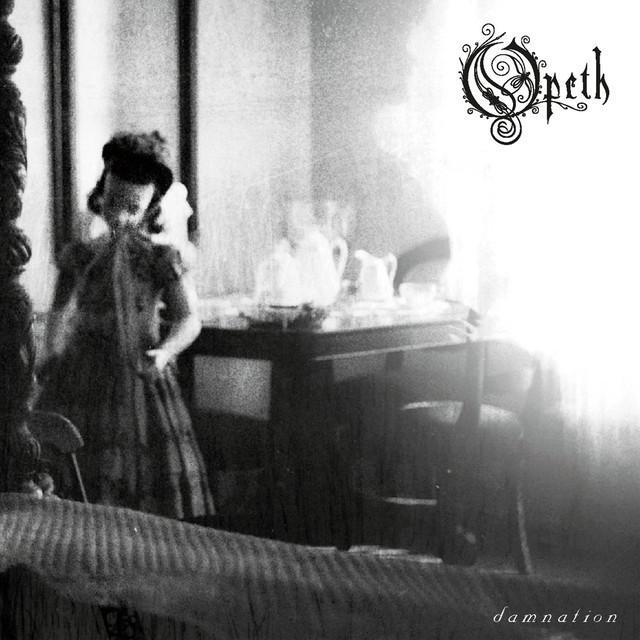
"To Rid the Disease" appears on Damnation, Opeth's 2003 album, a record that marked a major stylistic turn. According to the album's documented credits and history, Damnation was released on 22 April 2003 and was created during the same period as Deliverance, but it dropped the band's usual harsh vocals and heavy attack for clean singing and progressive rock textures. It was produced by Opeth and Steven Wilson, who also contributed keyboards, piano, mellotron, mixing, and mastering.[1]
That context helps explain why this song feels so intimate. The arrangement leaves more room for doubt and grief than a heavier mix might.
Watch the official To Rid the Disease
music video
The core idea: broken trust spreading like poison
At its center, the song seems to be about trust collapsing beyond repair. The lyric images point to a speaker who feels emotionally isolated, watching a person or situation turn rotten. Early lines such as There's nobody here
and Dead eyes always stare
create emptiness and numb observation.
Interpretation: the "disease" is likely metaphorical. It may be betrayal, moral decay, or a relationship poisoned from within. When the song moves toward to rid the disease
, it sounds like a wish to purge that corruption before it consumes everything else.
This reading fits the song's emotional logic. The speaker does not ask for repair. They sound past repair. They sound like someone trying to cut away what has gone bad.
Where the lyrics turn from sadness to accusation
One of the strongest shifts comes in the chorus, where innocence and creation are linked:
There's innocence torn from its maker
Stillborn, the trust in you
Even in this brief passage, Opeth connect purity with damage. Something that should have lived arrives ruined. Trust is not merely weakened; it is described as lifeless from birth.
That is why the chorus feels harsher than the calm music suggests. The phrase the trust in you
turns the song toward direct blame. The damage is not abstract anymore. Someone has failed, and that failure has lasting consequences.
A speaker trapped between seeing and denying
Another important part of the meaning of To Rid the Disease Opeth is the tension between perception and self-protection. The song includes warnings like Don't trust what you see
. That idea suggests confusion, denial, or manipulation.
Interpretation: there are at least two ways to hear this. First, the speaker may be doubting their own judgment, trying not to accept painful truth. Second, they may be describing a toxic dynamic in which appearances hide betrayal. In either case, the song lives in uncertainty.
That uncertainty makes the repeated loss of trust hit harder. The words do not describe one dramatic event. They suggest erosion, the kind that happens slowly until nothing stable remains.
The imagery of marks, bodies, and late realization
The song's images are sparse, but they are effective. Leaving a mark on someone else's head, watching a person cry for their state, and turning around to see what was meant to be all point to aftermath. These are not scenes of hope. They are scenes of recognition after damage has already happened.
A simple way to map the lyric movement is this:
- The speaker begins in emptiness and emotional distance.
- They hint that appearances cannot be trusted.
- The chorus names innocence, failure, and broken trust.
- The later lines suggest they finally see the truth and want the corruption removed.
That structure gives the song a tragic feel. It moves from numbness to clarity, but the clarity comes too late.
Why the soft sound makes the song sting more
This song would mean something different if Opeth had played it as a heavy metal attack. On Damnation, they chose the opposite path. The album is widely noted for clean vocals, clean guitars, mellotron, and strong 1970s progressive rock influence, making it a sharp departure from the band's earlier extreme metal approach.[1]
In "To Rid the Disease," that softer palette creates emotional contrast. Mikael Åkerfeldt's voice sounds controlled rather than theatrical. The instruments do not crowd the lyric. They hover around it.
That restraint turns bitterness into something more haunting. Instead of sounding like revenge, the song sounds like someone drained by disappointment. Critics also recognized Damnation as a surprising and acclaimed shift in Opeth's catalog, with strong notices from outlets like Pitchfork and Sputnikmusic.[1]
Artist context that deepens the mood
There is also important background around the album itself. Damnation and Deliverance were dedicated by Mikael Åkerfeldt to his grandmother, who died in a car accident during the recording period.[1] That fact does not prove a single fixed meaning for this song, but it does place the album in a season of grief.
Interpretation: because of that context, some listeners may hear "To Rid the Disease" not only as a song about betrayal, but also as one about trying to survive spiritual contamination after loss. The words are broad enough to hold both personal and existential pain.
Final takeaway on the song's meaning
The meaning of To Rid the Disease Opeth is best understood as a portrait of trust dying slowly. Through images of emptiness, false appearances, and innocence destroyed, the song captures the moment when hurt hardens into clarity.
Its genius is in its restraint. Opeth turn emotional collapse into something quiet, eerie, and painfully mature. That is why the song lingers.
Disclaimer: This interpretation is based on the lyrics, musical context, and documented album history. Like many Opeth songs, it remains open to more than one valid reading.







