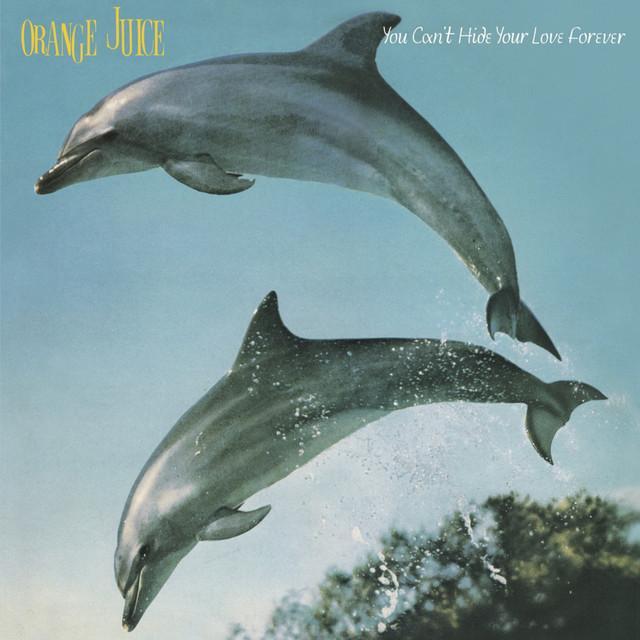
Falling and Laughing by Orange Juice
The meaning of Falling and Laughing Orange Juice starts with a sharp emotional contrast: heartbreak that sounds strangely cheerful. Orange Juice turn romantic embarrassment into something light on its feet. Instead of treating rejection like a grand tragedy, they make it awkward, funny, and painfully human.
"Falling and Laughing" - Orange Juice
Taken as true
I only see what I want to see
Loading lyrics...
Unable to load lyrics
We're unable to display the lyrics at this time. Please try again later.
That balance is why the song lasts. Released as Orange Juice's debut single in 1979 and later tied to the early Postcard Records scene, it helped introduce the band's mix of jangly guitar pop, funk touches, and clever vulnerability. According to Discogs, the single became a key early statement of the group's style, while Orange Juice's broader place in Scottish indie pop is widely noted by AllMusic.
A Love Song About Self-Awareness
At its core, the song is about wanting someone who does not return that feeling in a simple, comforting way. The speaker admits they may be seeing only what they want to see. That early confession matters because it sets up the whole emotional frame: this is not a song by someone in control. It is a song by someone who knows they are fooling themselves and keeps going anyway.
When the lyric says very naive
, it is not just self-criticism. It is the speaker naming their own romantic blindness before anyone else can. They know desire has distorted their view, but that honesty does not save them from the experience.
This gives the song its charm. It is not begging for pity. It is noticing how ridiculous love can make a person feel.

Watch the official Falling and Laughing
music video
The Push and Pull in the Verses
The verses describe a small but vivid drama. The other person avoids connection, while the speaker still longs for signs of warmth. A phrase like avoid eye contact
captures emotional distance in a very physical way. It suggests discomfort, maybe even polite refusal.
Against that, the speaker fixates on one tiny image: fine teeth smiling
. That detail feels almost comically specific, which is part of the point. Infatuation often narrows attention until one feature or gesture becomes everything.
A quick narrative map
- The speaker admits they are idealizing the situation.
- They notice the other person's avoidance.
- They still keep hoping for affection.
- They end up alone, aware of their own sadness.
- Instead of collapsing, they laugh at themselves.
That final move is crucial. The song is not about winning love back. It is about surviving humiliation with style.
Why the Chorus Matters So Much
The emotional center arrives in the repeated idea of falling again
and taking pleasure with the pain
. This is the song's clearest statement that love and hurt are tangled together. The speaker is not simply a victim of heartbreak. They seem drawn to the whole cycle, even when it wounds them.
Falling and laughing
Falling and laughing
This brief refrain sounds almost playful, but the meaning is deeper. They are laughing not because nothing hurts, but because laughter becomes a defense against shame. Interpretation: the song suggests that self-mockery can be a form of resilience. If they can turn their heartbreak into a joke, it cannot fully defeat them.
Tears, Resistance, and Emotional Theater
One of the song's strongest images is the idea of a city of tears
. It is exaggerated on purpose. The speaker turns private sadness into something huge and almost theatrical. That grand language reflects how heartbreak feels from the inside: embarrassing to others, but all-encompassing to the person living through it.
At the same time, the song keeps undercutting its own drama. The line about being alone and emotionally sustained by tears is intense, yet it is surrounded by music that moves with bounce and sparkle. Orange Juice seem to understand that young heartbreak often feels both serious and absurd.
The small phrase I resist
is also important. Resist what, exactly? Interpretation: it may mean resisting self-pity, resisting the other person's dismissal, or resisting the urge to stop feeling altogether. The ambiguity helps the song. It sounds emotionally overwhelmed, but not totally defeated.
How the Sound Changes the Meaning
The production and arrangement are a big part of why the song works. Rather than using heavy, gloomy instrumentation, Orange Juice lean on bright guitars, a wiry rhythm, and an airy sense of motion. The groove keeps the song from sinking into misery.
That contrast is central to the meaning of Falling and Laughing Orange Juice. If the same words were sung over slower, darker music, they might sound crushed. Here, they sound wounded but animated. The beat gives the impression that even while falling, the speaker keeps moving.
Edwyn Collins' vocal delivery also matters. He does not oversell the pain. He sounds alert, slightly bemused, and emotionally exposed without becoming melodramatic. That restraint turns the song into something smarter than a simple breakup lament.
Orange Juice Context and Indie Pop Legacy
Orange Juice emerged from late-1970s Scotland with a style that pulled together post-punk minimalism, pop melody, and a playful sense of image. Collins wrote "Falling and Laughing," and the song already shows what would define the band: emotional intelligence, wit, and rhythm.
In context, the track feels like a reaction against rock seriousness. It allows a male narrator to sound vulnerable, confused, and even silly without losing dignity. That was a real strength of Orange Juice. They made sensitivity sound cool.
Final Reading: Hurt, Pride, and Comic Grace
So what is the song really saying? The clearest answer is that love can make people look foolish, and they may know it while it is happening. Instead of denying that foolishness, Orange Juice build a song around it.
Interpretation: "Falling and Laughing" is about accepting the double feeling of romance itself. There is longing and rejection, but also excitement, vanity, fantasy, and the odd thrill of caring too much. The laughter does not cancel the fall. It simply makes the fall bearable.
That is why the song still feels fresh. It treats heartbreak as both real and ridiculous, which is often exactly what heartbreak is.
Disclaimer: This interpretation is based on the lyrics, performance, and available song history. Like most great pop songs, it can support more than one reading.







