Why “Bunker Soldiers” Turns War Into Cold Routine
The meaning of Bunker Soldiers Orchestral Manoeuvres in the Dark starts with a clash: bright, urgent synth-pop meeting images of drills, trenches, and propaganda. That tension is the key to the song. Rather than celebrating conflict, OMD seem to frame war as repetitive, dehumanizing, and strangely theatrical.
"Bunker Soldiers" - Orchestral Manoeuvres in the Dark
is that a better way for bunker soldiers
oh it's a nasty way to spend a war
Loading lyrics...
Unable to load lyrics
We're unable to display the lyrics at this time. Please try again later.
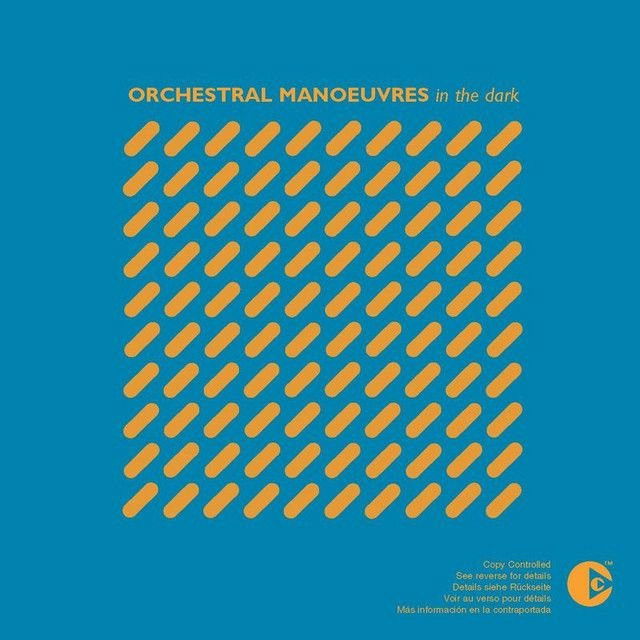
“Bunker Soldiers” was written by Andrew McCluskey and Paul Humphreys and first released on the band’s 1980 debut album, Orchestral Manoeuvres in the Dark. It was never a single, yet it became a regular live favorite, a point noted by the OMD fan archive and discography resources. In context, it also fits a wider OMD habit of writing about technology, history, and the human damage hidden inside modern systems.
The Song’s Core Idea: War as Training, Not Glory
At the surface level, the song describes soldiers, routines, and combat preparation. But the wording keeps undercutting the idea that any of this is noble. Early on, the lyrics point to trained fighting, coordination
, which sounds less like courage than conditioning.
That matters because the song does not linger on victory. Instead, it focuses on methods, systems, and behavior. The speaker seems trapped inside a structure where people are taught how to obey, march, and repeat. Interpretation: OMD present war as a machine that trains bodies before it destroys them.
The line it’s not a better way
is especially important. It acts like a blunt moral verdict. Even when the song moves fast, that phrase keeps pulling the listener back to the idea that organized violence is not progress, not wisdom, and not a solution.
Watch the official Bunker Soldiers
music video
Voices From the Bunker, Not the Battlefield
One striking thing about the lyric is how unstable the speaker feels. They sound involved in the military world, but they do not sound fully convinced by it. When the song says I’d give my life
and then pairs that with admiration for how someone else fights, the feeling is not simple bravery.
Interpretation: This may be a voice warped by pressure and propaganda. The speaker seems to have absorbed military language while also sensing its emptiness. That mixed tone gives the song its anxiety.
There is also a strong feeling of group identity. The repeated sense of “we” suggests a collective trapped inside a system larger than any one person. They are not acting freely. They are being carried along by orders, slogans, and consensus.
Images of Sand, Ditches, and Displaced People
The song’s details make the anti-war reading stronger. References to beaches, trenches, and bloody ditches
place the listener in a physical world of mud, exposure, and damage. These are not glamorous battlefield images. They are dirty and human.
Another revealing moment is the mention of houses being given to refugees. That image widens the frame beyond soldiers alone. War does not just affect the people in uniform; it uproots civilians, changes communities, and leaves people searching for shelter.
This broader view is one reason the song still lands. It is not only about combat. It is about what militarized thinking does to ordinary life.
Propaganda, Uniforms, and the Loss of Self
OMD also use symbols of sameness. The phrase khaki uniforms
points to how institutions erase individuality. Uniforms can create unity, but here they also suggest replacement: one body becoming interchangeable with another.
Then there is the attack on propaganda. When the lyric says propaganda is losing, the song hints at a crack in the system. Official stories no longer fully control what people see. Interpretation: This could mean the speaker is waking up, noticing the gap between patriotic language and actual suffering.
That reading fits the song’s colder details. Training, drills, and visual order are all set against confusion, strange directions, and indecision. The result is a portrait of a war machine that claims certainty but produces chaos.
Why the Music Sounds So Lively
Part of the brilliance of “Bunker Soldiers” is that it does not sound mournful in a traditional way. According to the OMD song archive, it is an upbeat, synth-driven track often compared to the energy of “Electricity.” That musical brightness matters.
The track’s quick pulse and sharp hook create irony. The song moves with almost danceable efficiency while the lyrics describe coercion and destruction. That contrast can make the listener feel the same trap the lyrics describe: being pulled forward by a system that sounds exciting on the surface.
The shouted title pattern, along with the letters-and-numbers gimmick noted in fan documentation, adds to that effect. Human voices start to resemble coded signals. People become data, commands, or units in formation.
Why It Endures in OMD’s Catalog
Even without single status, “Bunker Soldiers” lasted in OMD’s live sets for decades, from early performances to later releases documented by fan and discography sources. That staying power makes sense. The song is short, forceful, and easy to feel even before its meaning is fully unpacked.
It also captures an early OMD strength: they could make electronic pop that felt intellectual without losing urgency. In “Bunker Soldiers,” they use simple phrases, clipped images, and a propulsive arrangement to say something large about modern violence.
Final Take on the Meaning
The meaning of Bunker Soldiers Orchestral Manoeuvres in the Dark is less about one battle than about the logic of war itself. The song portrays military life as disciplined, coded, and theatrical, but never truly justified. Its message is that systems built on training and obedience can drain people of selfhood while pretending to serve a greater cause.
That is why the song still feels sharp. It turns war into routine, then shows how frightening that routine really is.
Disclaimer: This interpretation is based on the lyrics, recorded performance history, and available song context. As with many OMD songs, some meanings remain open to listener interpretation.







