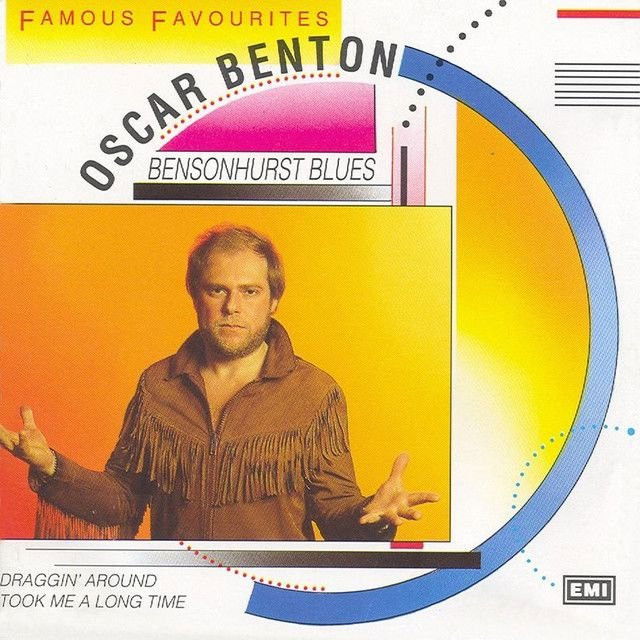
Bensonhurst Blues by Oscar Benton
A moody portrait more than a plot, Oscar Benton’s “Bensonhurst Blues” folds pride, shame, and class performance into one smoky room. The title points to a place, but the ache is internal. For listeners asking about the meaning of Bensonhurst Blues Oscar Benton, the song is less about a neighborhood and more about what happens when success demands denying where someone came from.
"Bensonhurst Blues" - Oscar Benton
You're such a success
Your pretty secretary, ha
Loading lyrics...
Unable to load lyrics
We're unable to display the lyrics at this time. Please try again later.
Bay Parkway to Boardrooms: What the Title Really Means
The song opens with a local crown: Bay Parkway wonder
. Bay Parkway runs through Bensonhurst, Brooklyn. Dropping that street name grounds the story in a working‑class, immigrant-rooted neighborhood. It also signals that the narrator knows the addressee’s origins firsthand.
Bensonhurst becomes shorthand for an identity the addressee tries to escape. The “blues” aren’t only musical; they’re the private sadness of passing as polished while carrying old insecurities. The phrase functions like a diagnosis: no matter the promotions or polish, the “Bensonhurst blues” trail them into every office.

Watch the official Bensonhurst Blues
music video
A Voice from the Old Neighborhood
The narrator speaks directly to a once-familiar “you.” They list status markers—pretty secretary
, your face always smiling
—as stage props. These details sell competence and charm. But the speaker undercuts them, insisting they “know inside” what’s really there.
There’s a sting in small objects. The addressee hands out custom-made ciggies
and displays family photos. The narrator reads both as performance: boutique cigarettes for class signaling, framed pictures as a shield of respectability. The critique isn’t of success itself; it’s of the hollowing that can happen when image replaces self.
From Smiles to Smoke: The Story in Brief
- The addressee has climbed into a press-ready life—smiles, staff, expensive habits.
- They still carry unease about their background; the narrator calls this their Bensonhurst “blues.”
- Assimilation guilt shows up: they’re embarrassed by a grandmother’s accent and even by a language they once knew.
- Public pressure adds weight; being “part of it” means scrutiny and compromise.
- The narrator opts out, thanking them for the cautionary tale and walking away.
- The sign-off—
Merry Christmas you all
—lands like a cool, corporate holiday email, not a warm reunion.
Symbols That Sting: Accent, Photos, Holidays
One of the most cutting images is your grandmother's accent
. It’s not just about language. It’s about roots, elders, and the discomfort of being reminded where one started. Admitting shame about that past shows how deep the mask goes. The line about being ashamed of the French they once knew widens the idea: it’s not only family; it’s any trace of the “old self.”
Desk photos hint at a curated life. They project loyalty and stability, but the narrator suggests they’re used to “abuse” the truth—more stage dressing than substance. Even the seasonal farewell—Merry Christmas you all
—reads as performative. It sounds public, not personal, a blanket greeting instead of a private bridge back to the narrator.
How the Sound Sells the Sadness
Benton’s performance sits in a pop‑blues lane: slow tempo, minor-key shadings, and a cinematic arrangement that often includes strings and soft horns. His weathered baritone carries equal parts tenderness and bite. The measured pacing lets each detail land, like the sideways smile in a dim bar.
Knowing the song was written by Artie Kaplan and Artie Kornfeld helps explain its blend of pop craft and blues mood. Benton didn’t write it, but he owns its atmosphere. In Europe, his version took on a second life through film placement, which enhanced its noir quality and introduced the character sketch to a wider audience.
The Meaning, Plainly Stated
In simple terms, the meaning of Bensonhurst Blues Oscar Benton is a warning about success without self‑acceptance. The narrator sees a person who rose fast and now hides their roots. The “blues” are not failure; they’re the pain of pretending—of swapping a face for a self.
Other Ways to Hear It
Interpretation: The song can also read as a critique of media culture. The addressee is “made” by attention and broken by it. In that view, Bensonhurst is backdrop; the real engine is exposure.
Interpretation: Some hear a mob‑adjacent subtext—a neighborhood kid pulled into power circles where charm and menace mingle. The cigarettes, the desk photos, the smile could suggest soft coercion. The text never says this outright, and that ambiguity is part of its pull.
Takeaway and an Honest Disclaimer
They end with choice, not envy. The narrator thanks the addressee for the lesson and picks a path that won’t require that mask.
Interpretation disclaimer: Meanings offered here reflect one close reading of the lyrics, the recording, and public context. Listeners may reasonably hear different shades in the song.







