
Hechicera by Oscar D'León
A Love Spell at the Center
The meaning of Hechicera Oscar D'León begins with a simple idea: they are singing about overpowering attraction. The speaker is so taken by someone that ordinary romance starts to feel like magic. Even the title, which means “sorceress” or “enchantress,” frames love as a spell rather than a calm choice.
"Hechicera" - Oscar D'León
para embriagarme de amor
Quisiera de tus ojos la mirada
Loading lyrics...
Unable to load lyrics
We're unable to display the lyrics at this time. Please try again later.
This is not a balanced relationship song. It is about longing, desire, and the loss of emotional control. From the start, the speaker wants tiny signs of closeness—a kiss, a look, some proof that the feeling might be returned. When they describe the beloved as having an encantador hechizo
, the song turns passion into enchantment. That word choice matters because it makes attraction sound both wonderful and dangerous.
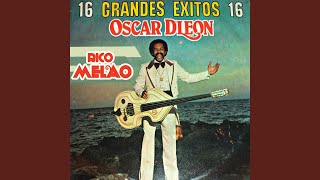
Watch the official Hechicera
music video
How the Verses Build Desire
The verses keep returning to what the speaker lacks. They want affection, but they do not have it. They want relief from passion, but the feeling only grows stronger. That structure gives the song its push-and-pull energy.
A phrase like un beso de tu boca
is not just about a kiss. It represents access, acceptance, and emotional reward. In the same way, asking for the other person’s gaze shows that being seen matters as much as being touched. The singer is not describing a stable romance; they are describing the ache of wanting one.
The Emotional Pattern
The song’s emotional movement can be summed up in three steps:
- They notice the beloved’s power.
- They admit desire is taking over.
- They confess they cannot stop thinking about that person.
That final idea becomes central. The repeated admission that they live thinking about the beloved suggests fixation, not casual flirting. Interpretation: this is why the song feels intense even when its language stays playful.
The Chorus Turns Obsession into Theater
The hook is where the song really opens up. By crying out Hechicera
, the singer stops sounding private and starts sounding performative, almost as if they are acting out their heartache on a dance floor. That shift is important to the meaning of Hechicera Oscar D'León.
In the chorus, the speaker no longer explains the feeling carefully. Instead, they exaggerate it. They say the beloved has made them crazy, inside and out. The language is dramatic, but in salsa that drama often carries humor too. It lets listeners feel the pain without sinking into despair.
Cruel tormento
Dulce obsesión
That brief contrast captures the song’s whole emotional logic. Love hurts, but the speaker also enjoys being consumed by it. The obsession is “sweet” because desire itself is exciting.
What “Hechicera” Really Symbolizes
On one level, the enchantress is just a beautiful, irresistible person. On another, she symbolizes the way desire can rewrite reality. The beloved does not need literal magic; the speaker feels enchanted because passion makes them powerless.
Another revealing line is no me quieres a mí
. After all the exaggeration, that phrase brings the song back to earth. Beneath the swagger and rhythm, there is rejection or at least emotional distance. The singer is not celebrating a fulfilled love. They are trapped in a one-sided fantasy.
A Note on the “Ratonera” Line
Late in the song, the speaker mentions having lived in a “ratonera,” or a kind of cramped hole. That image is unusual and earthy. Interpretation: it may suggest insecurity, humble origins, or shame about social status. In that reading, the beloved is not just unreachable because of desire; she may also seem above the singer’s world.
Why the Music Sounds So Joyful
One reason the song lasts is that its sound complicates its message. Oscar D'León is famous for high-energy salsa performance, a powerful bass presence, and charismatic vocal delivery, as noted in his artist profile. In “Hechicera,” that style matters as much as the words.
The rhythm section keeps things moving with a dancer’s momentum. Brass accents brighten the track, while the call-and-response feel gives the song a communal spirit. Even when the lyric describes obsession, the arrangement refuses to stay dark. Instead, it invites movement.
That contrast tells listeners how to hear the song. They are not being asked to treat longing as tragedy alone. They are being asked to enjoy the performance of longing. This is common in salsa, where heartbreak, jealousy, and desire often arrive inside music built for celebration. Oscar D'León’s wider career in salsa helps explain that blend of pain and pleasure.
Artist Context Sharpens the Meaning
Oscar D'León built their reputation as one of salsa’s great showmen, known for making emotion feel immediate and physical. That matters here because “Hechicera” is not written like a private diary entry. It is built to be sung outward, with flair.
Their style encourages a listener to hear the speaker as partly sincere and partly theatrical. Yes, the desire is real. But the performance also magnifies it into a character: the bewitched lover who cannot help shouting their feelings to the room.
Final Reading: Desire as Delight and Defeat
The best way to understand the meaning of Hechicera Oscar D'León is to see it as a song about romantic powerlessness made pleasurable through salsa. The beloved is imagined as magical because the speaker cannot explain their own loss of control any other way.
Interpretation: the song is not endorsing unhealthy obsession so much as dramatizing a familiar feeling—the moment when attraction feels bigger than reason. Its genius is that it keeps both sides alive at once: the sting of not having love, and the thrill of wanting it anyway.
In the end, “Hechicera” turns yearning into movement, rejection into spectacle, and desire into a spell the audience is happy to share.
Disclaimer: This interpretation is based on the lyrics, performance, and available artist context. As with any song, listeners may hear different meanings.








