Strangled by Osker
Osker’s “Strangled” sounds like a panic attack turning into a vow to survive. For listeners searching for the meaning of Strangled Osker, the song reads as a portrait of someone caught between self-hatred, outside pressure, and the hard work of refusing to collapse.
"Strangled" - Osker
I feel torn into insufficient amounts of two.
Is this a sign of what I'm made of,
Loading lyrics...
Unable to load lyrics
We're unable to display the lyrics at this time. Please try again later.
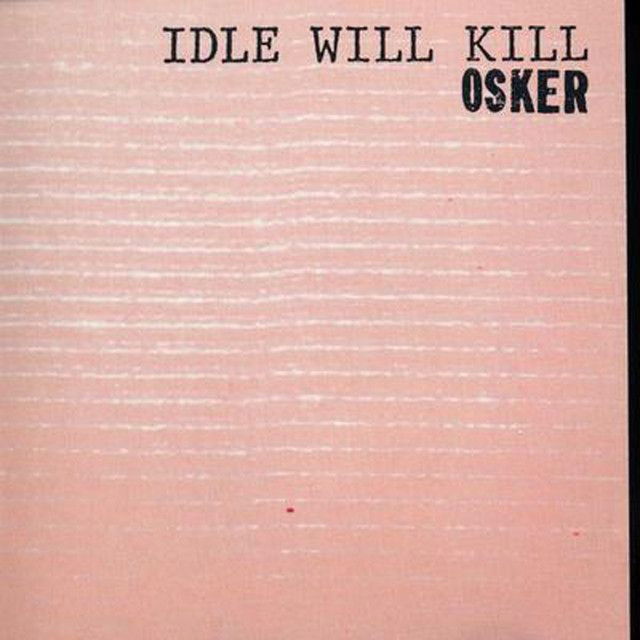
It appears on Idle Will Kill, Osker’s second and final studio album, released in 2001. That record is often described as a move away from simple pop-punk speed and toward a more emotional, reflective style. That context matters, because “Strangled” feels built from inner conflict rather than just rebellion.
A Song About Pressure From Inside and Outside
At its core, “Strangled” is about feeling split apart. Early on, the narrator says they feel strangled
and reduced to insufficient amounts of two
. In plain terms, the song presents a person who no longer feels whole. They are divided between what they are, what others want from them, and how much damage they have learned to accept.
That tension drives the first big question of the song: is this pain a true reflection of identity, or the result of mistreatment? The lyrics do not fully answer it. Instead, they sit in that uncertainty. That makes the song feel honest, because many people in distress do not know where their pain begins.
Interpretation: the title suggests emotional suffocation, not just physical imagery. The feeling of being “strangled” points to pressure that cuts off freedom, speech, and even self-recognition.

Watch the official Strangled
music video
The Turning Point Is Survival
One of the strongest moments comes when the song shifts from helplessness to resistance. The line about pulling away is followed by I don't want to die today
. That phrase is blunt, but it matters because it turns the song from description into decision.
This is not a clean victory anthem. The narrator is still overwhelmed. They still sound trapped by what they call their own hate. But they also make a choice: not today. In that sense, the song treats survival as an active act, not a passive one.
Why That Moment Hits So Hard
The song moves quickly, but this emotional pivot gives it structure:
- They describe suffocation and division.
- They question whether the harm is internal or learned.
- They resist being pulled under.
- They claim one day of survival.
That sequence gives the track its emotional force. It is not only about pain. It is about the effort required to stay alive in the middle of that pain.
Media Noise, Shame, and Social Cruelty
Midway through, the lyrics widen the frame. The narrator asks whether others feel mocked through the TV
and wonders how people get away with harmful speech. That detail brings in the pressure of culture itself.
Here, “Strangled” stops sounding like a purely private breakdown. It starts sounding like a response to a world that rewards cruelty, spectacle, and detachment. The TV image suggests distance: the people causing harm are untouchable, but their voices still reach into the listener’s head.
Interpretation: this may reflect alienation from media culture, but it can also stand for any environment where humiliation becomes normal. Either way, the song links personal distress to a larger social atmosphere.
The Relationship Wound at the Center
Another key part of the meaning of Strangled Osker is the relationship language. The narrator says they were the glue
that held things together and then promises to remain a stitch forever. Those images are powerful because they describe a person whose value has been tied to repair work.
In other words, they are not just hurt. They are exhausted from always being the one who keeps everything from falling apart. “Glue” and “stitch” both suggest mending damage created elsewhere.
When you feel like there's nothing left
just remember they wanted something
they could hold onto
This is the song’s closest thing to tenderness. Even in anger and collapse, the narrator reaches toward another person. They want to be remembered as something steady. That gives the track a tragic layer: the same person who feels suffocated also wants to offer comfort.
How the Sound Carries the Meaning
“Strangled” gains power from its place on Idle Will Kill, an album written by Devon Williams and produced by Mike Trujillo, with mixing by Trujillo and Rob Schnapf, according to the album’s Wikipedia entry. Osker’s broader style here blends punk urgency with emo openness, and that mix fits the lyrics.
The song’s likely impact comes from contrast: tight, driving instrumentation against words full of fracture and doubt. In emo-punk, speed can make vulnerability feel more desperate, not less. Instead of softening the pain, the momentum traps the listener inside it.
Williams also said around this era that the album reflected personal growth, self-reliance, and disappointment in human relationships. That context helps explain why “Strangled” feels both wounded and stubborn. The narrator is not asking to be rescued. They are trying to understand their limits while holding onto identity.
Final Reading: A Fight to Stay Intact
The best way to read “Strangled” is as a song about fragmentation under pressure. It captures self-loathing, social disgust, and relationship fatigue, but it never fully gives in. Even at its darkest, it keeps reaching for connection and endurance.
For many listeners, that is the real meaning of Strangled Osker: a person nearly crushed by inner and outer forces, still insisting on one more day, one more attempt to stay whole.
Interpretation disclaimer: song meanings are never fully fixed. This reading is based on the lyrics provided, Osker’s album context, and documented comments about the band’s creative direction.







