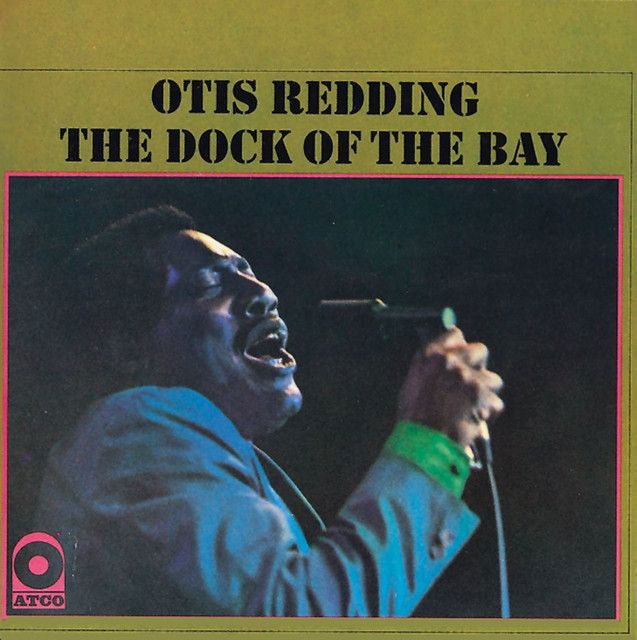
Dock of the Bay by Otis Redding
Why This Song Still Feels So Personal
The meaning of Dock of the Bay Otis Redding starts with a simple image: a person sitting still while the world moves around them. They watch ships, water, and time pass. On the surface, that seems calm. Underneath, it feels heavy.
"Dock of the Bay" - Otis Redding
I'll be sittin' when the evenin' comes
Watchin' the ships roll in
Loading lyrics...
Unable to load lyrics
We're unable to display the lyrics at this time. Please try again later.
Otis Redding co-wrote (Sittin' On) The Dock of the Bay with Steve Cropper, and it was recorded in late 1967 before its January 1968 release. It became the first posthumous No. 1 single on the U.S. pop chart, a fact that shaped how listeners heard its sadness and stillness. Those core details are widely documented in reference histories and chart records.
What makes the song special is that it never overexplains its pain. Instead, it gives listeners a mood: waiting, drifting, and feeling cut off from purpose.

Watch the official Dock of the Bay
music video
The Core Meaning Beneath the Waterline
At its heart, the song is about loneliness, frustration, and emotional exhaustion. The narrator has traveled far, left home behind, and still does not feel settled. When they describe wastin' time
, the phrase sounds casual, but the emotion underneath is more serious. It suggests someone who no longer believes effort will change much.
That mood deepens when the song mentions leaving Georgia for San Francisco Bay. In plain terms, they went looking for something new and did not find peace. Even after a major move, life feels stuck.
Interpretation: The dock becomes a place between action and surrender. They are not fully giving up, but they are no longer chasing. They are suspended, almost emotionally parked, while the tide keeps moving.
How the Story Unfolds in Small, Quiet Steps
The song tells a full emotional story in very few lines. It moves in a clear sequence:
- They sit and watch morning turn to evening.
- They notice ships coming and going.
- They reveal they left home in Georgia.
- They admit life has not improved.
- They settle into loneliness and stillness.
That is why phrases like watchin' the ships roll in
matter so much. The ships are active; the narrator is not. The contrast shows the theme without needing a big dramatic scene.
Looks like nothin's gonna change
Everything seems to stay the same
Those lines are the emotional center of the song. They turn the dock from a setting into a worldview. The problem is not just one bad day. It is the feeling that life has stalled.
Otis Redding's Real-Life Context Matters
The song feels intimate partly because it drew from Redding's own experience. After appearing at the Monterey Pop Festival in 1967, they spent time in the Bay Area and began writing ideas inspired by the waterfront setting. Steve Cropper later said the image of ships in the bay came from that period, and that the song was unusually close to Redding's own life.
That context does not mean every line is literal. Still, it helps explain why the song feels more inward than many of Redding's earlier hits. It is less about romantic drama and more about identity, fatigue, and reflection.
The timing also adds weight. Redding died in a plane crash on December 10, 1967, before the song's final release. Because of that, many listeners hear restin' my bones
and the song's overall stillness with extra sadness. Factually, it was not written as a farewell. Interpretation: But after their death, it naturally came to sound like one.
The Sound Says as Much as the Words
Part of the meaning of Dock of the Bay Otis Redding comes from its production. The performance is gentler and more restrained than much of Redding's powerful Southern soul catalog. The tempo is easy, the groove is loose, and the arrangement leaves space.
Instead of pushing hard, the band lets the song breathe. That matters. The relaxed rhythm mirrors emotional drift. The organ, guitar, bass, and drums do not fight the vocal; they frame it. Even the famous whistling near the end feels unfinished in a moving way, like thought continuing after language stops.
Producers also used wave and seagull effects to strengthen the waterfront image. Those touches could have felt gimmicky, but here they work because they extend the song's isolation. The setting becomes part of the emotional message.
Symbols That Carry the Song
Several images do heavy lifting in the lyric:
The dock
It is a waiting place, not a destination. They are paused between where they came from and whatever comes next.
The tide
The tide keeps moving whether they act or not. It suggests time, fate, and forces larger than one person.
Ships
When they watch movement from a distance, it highlights their own stillness.
Distance from home
The reference to Georgia and the long journey west gives the song a rootless feeling. They are not just lonely; they are displaced.
More Than Sadness: A Song About Refusing False Hope
One reason the song lasts is that it does not offer a neat lesson. It never says everything will be okay. It also does not explode into anger. Instead, it stays honest about feeling stuck.
Interpretation: That honesty is the real power of the song. They are not glamorizing despair. They are naming a mental state many people know: when effort feels pointless, advice feels empty, and all they can do is sit still long enough to hear what they actually feel.
That emotional truth helped the single become Redding's signature song, selling millions and winning major awards after release. Its legacy rests on more than tragedy, though. Listeners kept returning because the song gives quiet feelings a clear form.
Final Take on Its Lasting Meaning
The meaning of Dock of the Bay Otis Redding is not just about sitting near water. It is about being emotionally stranded after trying to move forward. Through simple images, a weary voice, and an unusually spacious arrangement, the song captures loneliness without self-pity.
For many listeners, that is why it remains timeless: it understands the space between motion and meaning.
Disclaimer: This article offers a mix of documented context and clearly labeled interpretation. Song meaning can vary from listener to listener.









